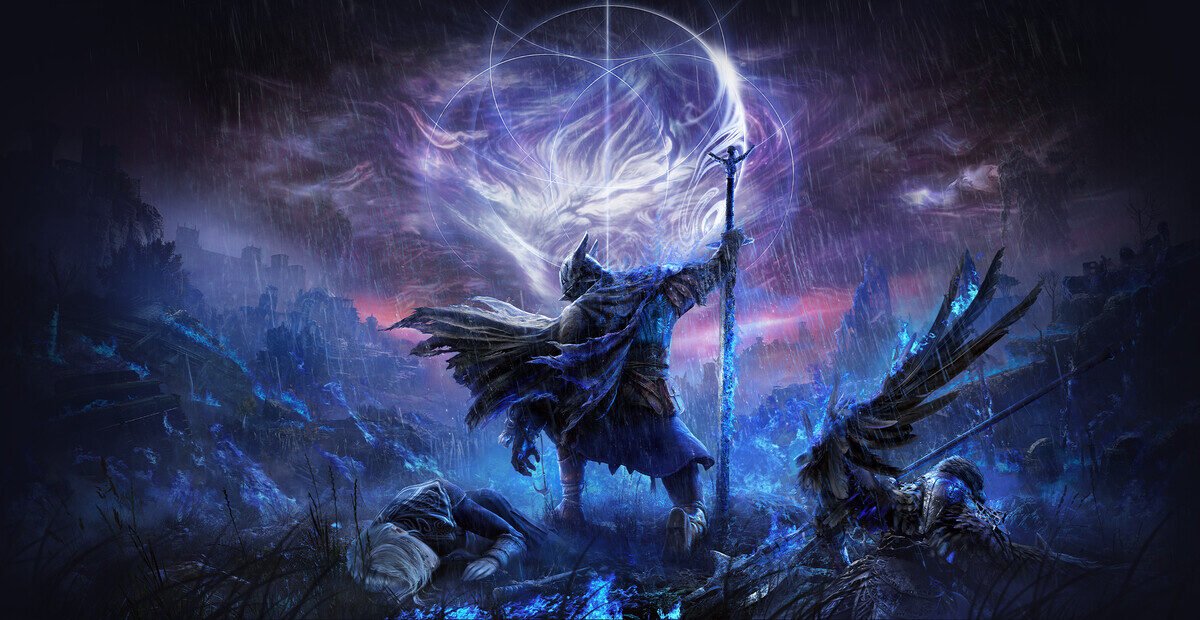
Here’s a fact that would’ve sounded absurd five years ago: one of FromSoftware’s mechanics owes more to Escape from Tarkov than to any Soulsborne game that came before it. Elden Ring Nightreign — the studio’s roguelike-flavored spin-off — drops three players into a shrinking map, on a clock, with permadeath on the line. That’s not classic Soulslike pacing. That’s an extraction shooter’s DNA grafted onto boss-rush combat, and it’s a bigger deal than the marketing lets on.
Except — and this is the part that’s splitting the community in half — Nightreign isn’t actually an extraction game, not by the genre’s own rules. And figuring out exactly where it lands is a good way to understand why “extraction” has quietly become the most contagious idea in game design right now.
What Nightreign Actually Borrowed From Extraction Games
The core loop is unmistakable if you’ve spent any time in Escape from Tarkov or Hunt: Showdown: you drop in with nothing, gear up as you go, and race against a closing boundary before time runs out. Nightreign compresses that into two roughly 15-minute “day” cycles capped by a boss fight, for a full run of about 45 to 60 minutes. Die during exploration and you just lose a level and respawn at a checkpoint — but if all three players go down at once with nobody left to revive the group, the run ends and you lose it all.
That’s genuinely extraction-shaped tension: a closing ring, a hard clock, and a real cost for dying badly. Reddit and Steam community threads reached for extraction-genre vocabulary almost immediately — one Steam discussion is literally titled “Soo… this is basically an Extraction Game..?” — which tells you the resemblance isn’t a stretch anyone had to make. Players spotted it on their own, unprompted.
The Twist: It Kept the Tension, Not the Payoff
Here’s the interesting tangent, and it’s the part most coverage glosses over. In a real extraction shooter, the entire point is that what you find during the raid, you get to keep — that’s the reward that justifies the risk. Nightreign doesn’t do that. Gear you forge mid-run, even at dedicated smithing altars, evaporates when the run ends. PC Gamer’s Ed Smith put it bluntly after grinding out a rare piece of equipment only to lose it minutes later: “Then I remember I’m not going to get to keep it. In fact, I’ll only have it for the next 10 minutes.”
So Nightreign copied extraction’s clock and its permadeath stakes, but skipped the actual extraction — there’s no loot room, no persistent stash, no “walk out with what you found” moment. It’s tension without payoff, by design. Whether that’s a smart edit or a missed opportunity depends entirely on who you ask. Smith’s take was that he wanted more of the real thing: a “rags to riches” loop closer to Dark and Darker’s PvE mode, where dropping in with nothing and walking out with something you actually keep is the whole appeal.
What Reviewers Actually Liked (and Didn’t)
FromSoftware’s combat carries the mode even where critics have pushed back on everything around it. The boss encounters and moment-to-moment fighting get consistent praise — that’s the studio’s core competency, and it shows up untouched here. The complaints cluster somewhere else entirely: runs can feel repetitive fast, since every attempt boils down to the same farm-loop of flasks and smithing stones while you wait for good relic RNG rather than building a character through skill or planning. One recurring line from coverage: this is “the longest boss run-up in FromSoftware history,” because the structure around the fights repeats far more than the fights themselves vary.
There’s a sharper complaint underneath that, too — the game’s buildcrafting system is partly gated behind the same randomness it’s supposed to help you manage. Beat the final boss, and you unlock a reward that removes the need to engage with the relic-affinity system altogether, which one reviewer summed up as the game admitting you don’t have to bother with its own systems once you’re done with them.
None of that has hurt sales. Nightreign has moved more than 3.5 million copies since launch, with a DLC and a two-player mode already confirmed — enough commercial traction that the extraction-hybrid approach clearly isn’t scaring buyers off, whatever the review consensus says about pacing.
Why Extraction Is Suddenly Everywhere
Nightreign isn’t an isolated experiment — it’s one data point in a much bigger shift. Hero shooters that leaned on constant matchmaking and cosmetic monetization have been dying off one by one, and extraction titles are the genre AAA studios are betting will replace them. Bungie and Sony’s Marathon is the clearest example: a full-budget, first-party extraction shooter from a studio that spent the last decade on live-service hero shooters instead. When a studio pivots its flagship live-service bet toward extraction mechanics, that’s a signal the genre has moved from niche to strategy.
What’s odd about Nightreign’s version of the trend is the direction it pushes pacing. Extraction shooters have traditionally been slow and methodical — a Tarkov raid can eat 40 minutes just moving carefully between checkpoints, because caution is the entire skill expression. Nightreign flips that: it compresses the same closing-ring tension into two rapid-fire 15-minute cycles, trading careful movement for constant combat. If Tarkov invented the genre’s patience, Nightreign is testing what happens when you remove it entirely.
That acceleration might end up being the more influential idea than the extraction label itself. As more big-budget games borrow pieces of the formula — a shrinking space, a run that can end badly, stakes that matter — expect fewer of them to copy Tarkov’s slow-burn pacing and more to chase Nightreign’s version: all the tension, compressed into something you can finish on a lunch break.
Where This Leaves the Genre
Nightreign is a strange middle case precisely because it’s honest about what it isn’t. It borrowed extraction’s clock, its risk, and its community’s vocabulary — without borrowing the loot-and-leave payoff that made the genre popular in the first place. That’s either a half-finished hybrid or a genuinely new subgenre, depending on whether you think the payoff was ever the point. Either way, it’s a useful preview of where a lot of 2026’s biggest releases are headed: genres blending into each other fast enough that the old labels barely hold.
If you’re curious how FromSoftware’s other 2026 release has fared under similarly high expectations, we broke down the base game’s rocky road to Switch 2 — a completely different kind of problem, but the same studio under the same spotlight. And if extraction-style runs on the go sound appealing, our handheld gaming PC picks cover the hardware side of that itch.
Leave a Reply