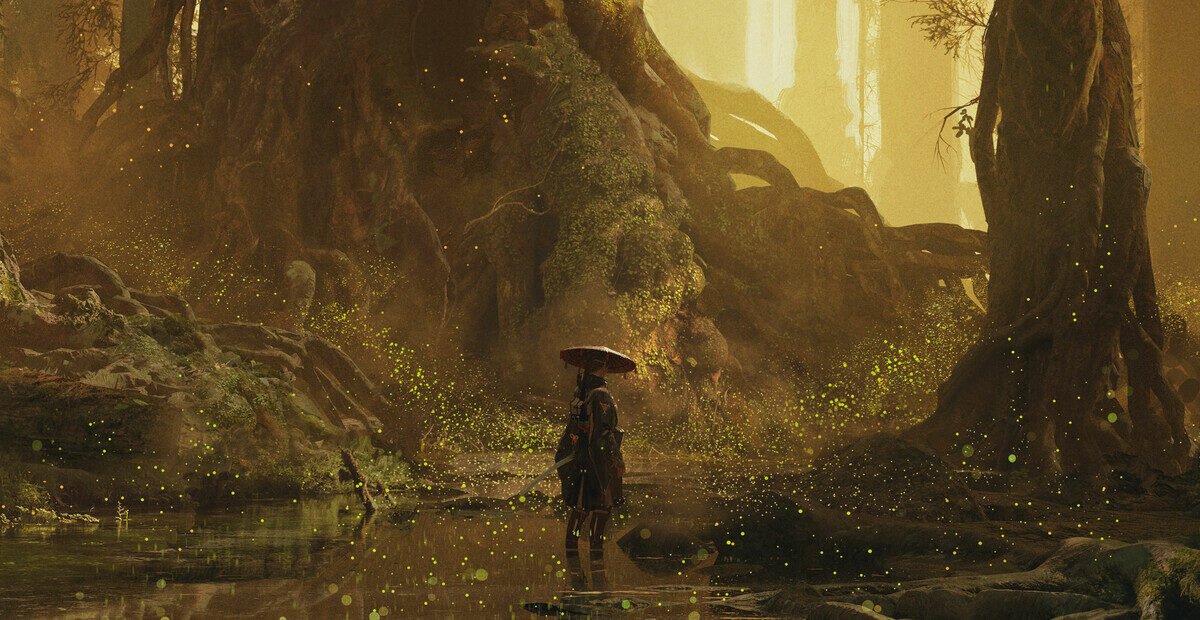
Game Freak has spent thirty years making sure a small electric rodent never has a bad day. Today it shipped a game where humanity is losing to shapeless things called Malefacts in a dead version of Japan, and a girl with a dog is one of the only things standing between the species and extinction. That game is Beast of Reincarnation, and it’s the bleakest thing the Pokémon studio has ever put its name on.
It launched simultaneously on PC, PS5, and Xbox Series X|S on August 4, and — because Microsoft still needs reasons to justify the subscription — it’s a day-one Game Pass title. Within hours of release, critics were comparing it to NieR: Automata and Princess Mononoke. Neither comparison is hyperbole, and neither is an accident.
What Beast of Reincarnation Actually Is
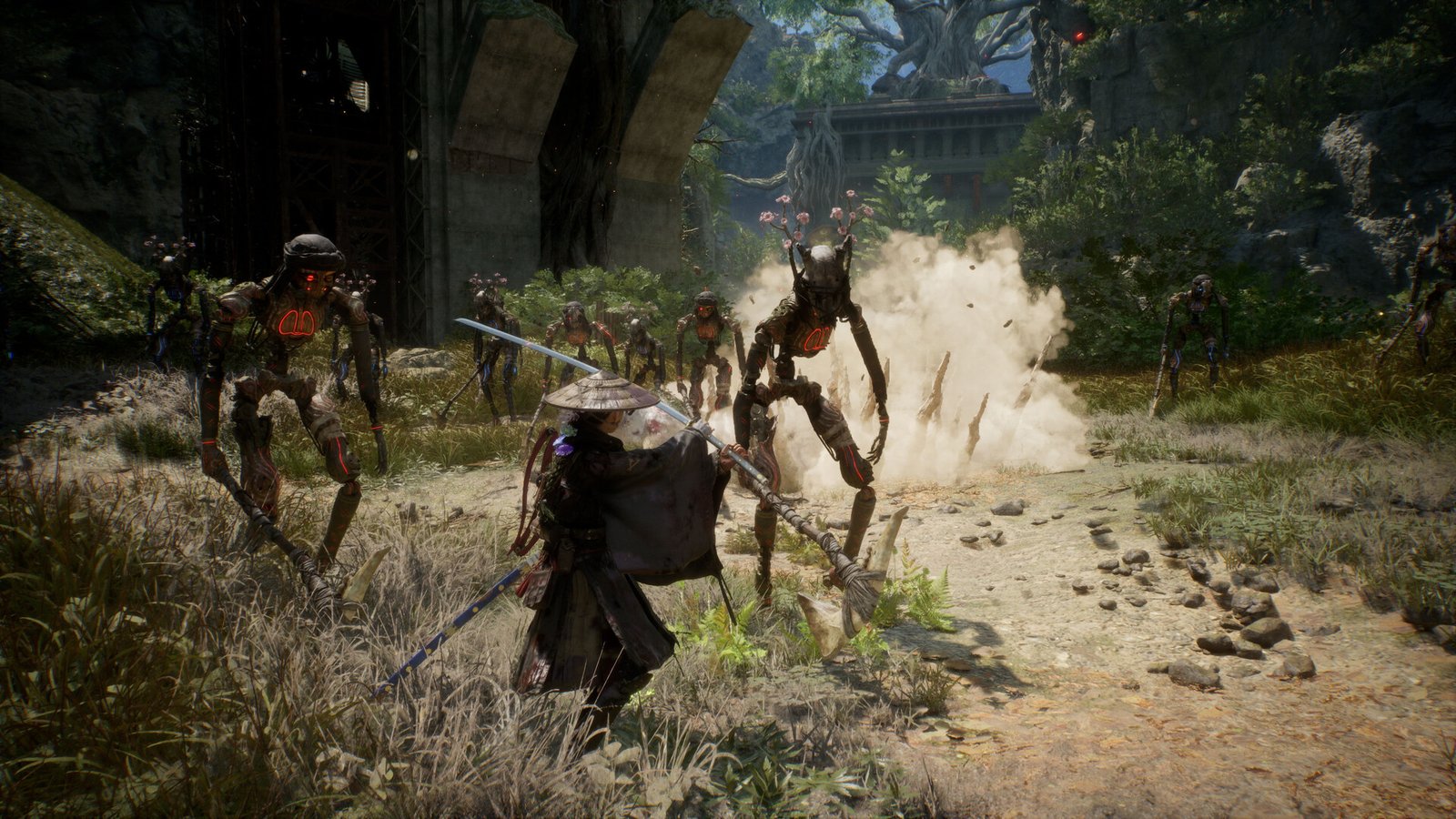
The setup: post-apocalyptic Japan, humanity reduced to scattered pockets by the Malefacts — corrupted, half-organic entities that used to be animals, plants, and eventually people. You play Emma, a fighter with a bonded wolf-dog companion, cutting through Malefact-infested ruins in combat that critics are calling fast, punishing, and unusually generous with mobility options for the genre. It’s a Soulslike in structure — stamina management, punishing bosses, checkpoints you fight to reach — but Game Freak leans harder into exploration and environmental storytelling than most entries in that crowded field.
That’s not a small distinction. A lot of Soulslike releases in 2026 have doubled down on difficulty as the entire pitch. Beast of Reincarnation instead treats the world itself — decaying shrines, overgrown train stations, silence where cities used to be — as the thing worth lingering in. If that structure sounds familiar, our breakdown of how Elden Ring runs on Switch 2 gets into why this genre has become the default proving ground for ambitious studios right now.
The Studio Behind Pikachu Has Been Sneaking Out Weird Games for 20 Years
Here’s the part most people miss: Game Freak going dark and weird isn’t new. It’s just never been this loud about it. Since 2005 there’s been a quiet, parallel career happening alongside every Pokémon release. Drill Dozer on Game Boy Advance was a physics-driven platformer nobody outside Japan really played. HarmoKnight, a rhythm-platformer, followed in 2013 — built because a staff designer, James Turner, wanted to make a simple action game and it mutated into something stranger. Then came Tembo the Badass Elephant, published with Sega instead of Nintendo — the studio’s first non-Nintendo release since the original Game Boy era. In 2019, Little Town Hero arrived as a genuine card-battler RPG with zero monster-catching in sight.
None of those broke through commercially. What changed is structural, not creative: by 2019, Game Freak leadership formalized a group internally nicknamed the “Gear Project” — engineers and designers who’d normally rotate onto Pokémon builds, given standing permission to chase original ideas instead. Beast of Reincarnation is the first Gear Project title with a real marketing budget and a simultaneous multi-platform launch behind it. The studio didn’t discover ambition this week. It finally got Nintendo and, this time, its own leadership to fund it properly.
Why Critics Are Calling It NieR Meets Princess Mononoke
According to the OpenCritic aggregate, scores landed around 76, with roughly 68% of reviewing critics recommending it — solidly “good,” not “generational.” But the qualitative praise is where it gets interesting. Multiple outlets independently reached for the same two reference points: NieR: Automata’s blend of mechanical melancholy and Studio Ghibli’s Princess Mononoke, specifically its refusal to make nature the villain even when nature is what’s killing you. One reviewer flatly called it the best action-RPG they’d played since NieR — a comparison that gets thrown around often and earned rarely.
The praise clusters around three things: fluid, weighty combat that rewards reading enemy patterns rather than memorizing them; a story that treats grief and ecological collapse as the same wound; and exploration that rewards curiosity without resorting to map-clutter checklists. It’s the kind of reception that suggests Game Freak’s decades of iterating on tight, responsive systems in Pokémon — however maligned those games get for their technical rough edges — quietly built real design muscle that transfers.
The Repetition Problem Nobody’s Pretending Isn’t There
Here’s the honest part critics aren’t glossing over: the game runs out of new ideas well before it runs out of runtime. Several reviews use almost identical language — strong opening acts, inventive mid-game, and a back half that starts recycling encounter templates and environmental gimmicks it already spent. Kotaku’s review leaned hardest into this, praising the ambition while flagging that repetition undercuts momentum in the final stretch. It’s the classic mid-budget action-RPG problem: enough scope to impress, not quite enough content variety to sustain that scope for 25-30 hours.
That’s a real critique, not a nitpick — but it’s also the kind of flaw that tends to age well in patches and sequels rather than sink a franchise. Nobody walked away from Elden Ring’s early jank calling FromSoftware washed, either.
What This Means If You’ve Never Touched a Pokémon Game
You don’t need any Pokémon context to play this, and that’s the point. Beast of Reincarnation is Game Freak explicitly building a second identity — one where “the Pokémon studio” stops being the whole sentence. Whether that becomes a real second pillar for the company depends less on this game’s 76 and more on whether Nintendo keeps funding Gear Project titles at this scale after the sales numbers land. 2026 has already been unusually generous to ambitious RPG swings — we’ve covered why Switch 2 suddenly became a magnet for prestige RPG ports — and this is the same appetite showing up on the publisher side instead of just the platform side.
If you’re the type who keeps a running list of what’s next in the Soulslike space, FromSoftware’s own closed network test for The Duskbloods is worth bookmarking — it’s shaping up to be the genre’s next big swing, and the contrast with what Game Freak just shipped is going to be worth watching.
For now, the headline stands on its own: the studio that made sure Pikachu never has a rough day just spent a full production cycle on a game about extinction, grief, and things that used to be alive. It’s not what anyone expected from that name on the box — and that’s exactly why it’s working.
Leave a Reply