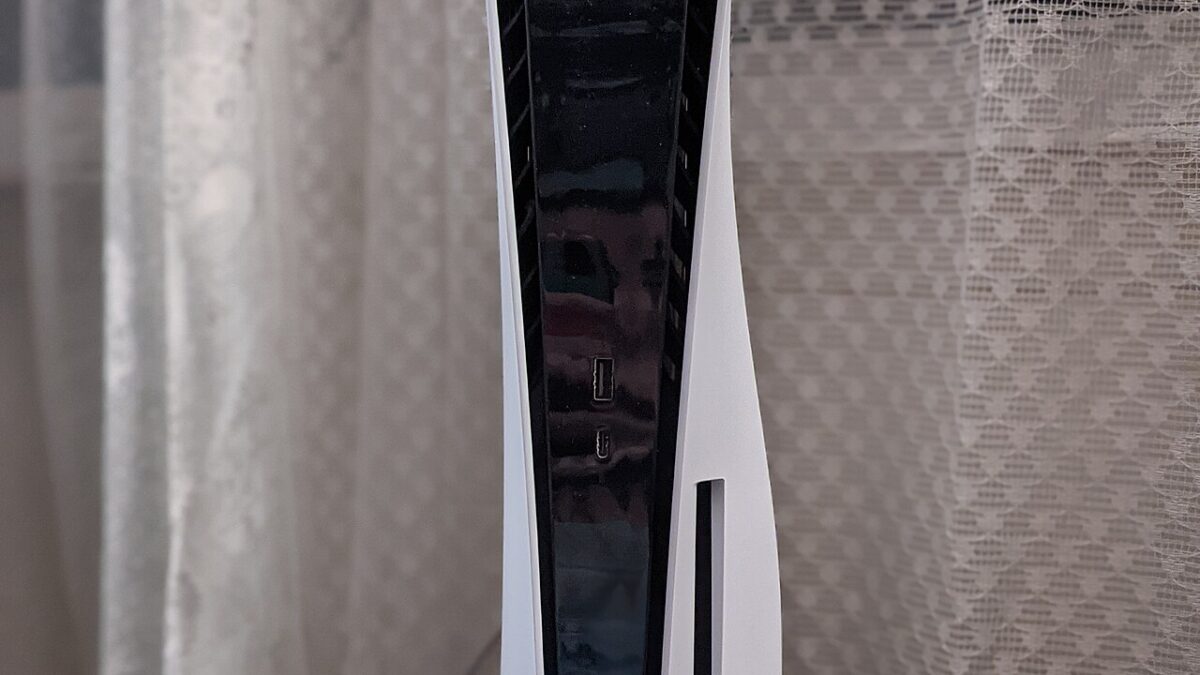
Sony just spent a year telling the industry that physical game discs are on their way out. Then, at San Diego Comic-Con, Santa Monica Studio put a release date on God of War Laufey — and confirmed it’s shipping in a box, on a disc, like it’s 2019. That’s not a contradiction. It’s a countdown.
Here’s the part most headlines skipped: the math actually works out. Sony didn’t reverse course on physical media. Laufey just happens to land on the right side of a calendar cutoff that’s about to close for good.
What Sony Actually Confirmed at San Diego Comic-Con
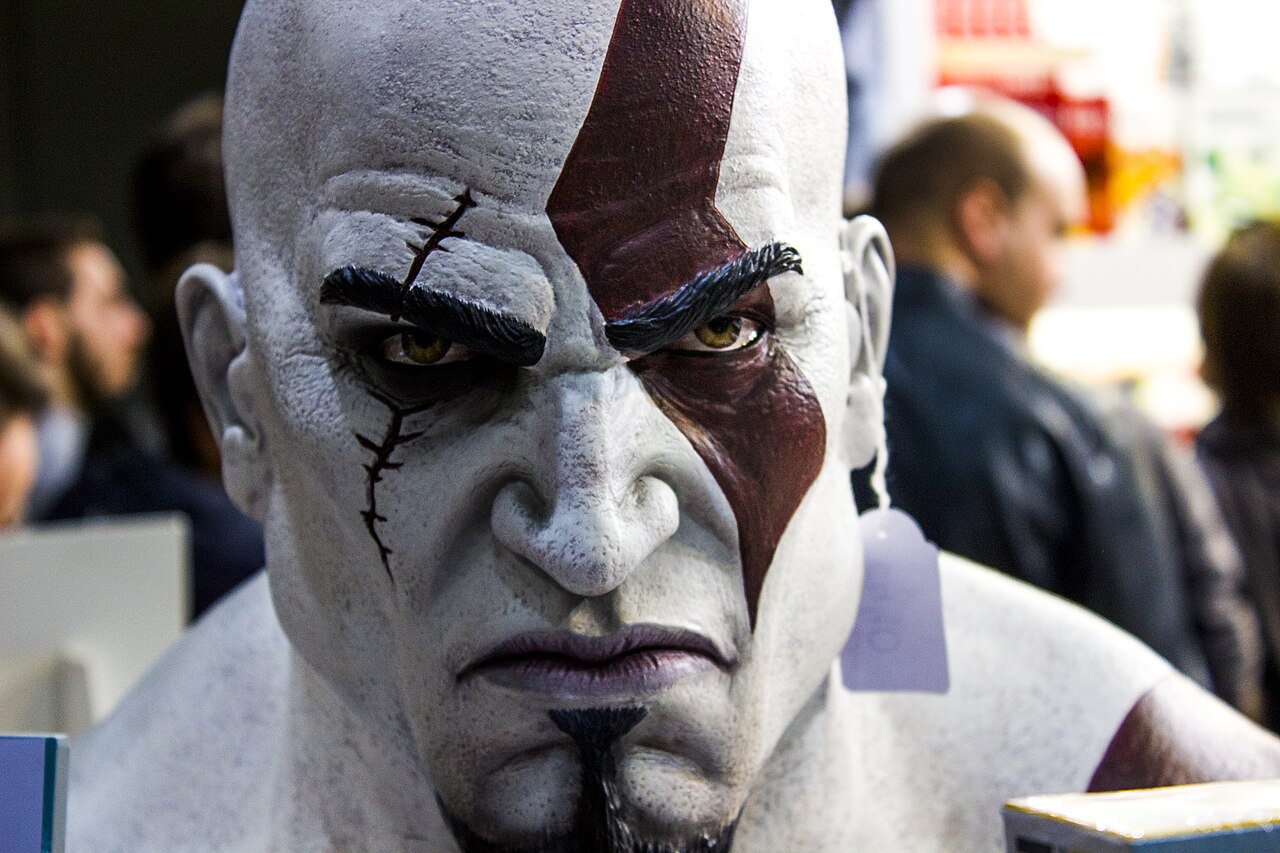
The panel ran Friday, July 24, in Ballroom 20 — Game Director Ariel Lawrence and Santa Monica Studio’s head of creative, Cory Barlog, on stage together. Two announcements landed in the same hour. First: God of War Laufey launches February 16, 2027, with players controlling Laufey — Kratos’s wife, Atreus’s mother, known through most of the last two games as Freya — as the protagonist for the first time in the modern series. Second, and quieter: Barlog confirmed the game ships on physical disc.
There was a third reveal riding along with the first two: a Kratos-led sequel is already in development, and it connects directly to the events of Laufey’s story. Santa Monica isn’t just making one more God of War. It’s building the next arc of the franchise around a game most fans assumed would center on Kratos again.
The PS Disc Cutoff, Recapped — Because the Details Matter Here
Back on July 1, Sony made it official: physical disc production for new PlayStation games ends in January 2028. Not “PS6 doesn’t have a disc drive” — that’s the shorthand that spread, and we covered Sony’s plan to end PS5 disc production by 2028 when it broke. The actual policy is broader and more mundane than a hardware decision: Sony will simply stop manufacturing disc copies of new first- and third-party titles once the calendar flips to 2028.
The reasoning is dull in the way real business decisions usually are. According to Sony’s own Q4 FY2025 results, digital downloads already account for 85% of full-game software sales on PS4 and PS5. Physical is the remaining 15%, and shrinking. Sony explicitly said the change “has no impact” on anything releasing before the cutoff — existing games keep their disc SKUs, no games get pulled from shelves, nothing changes for anyone who already owns a PS5 with a drive in it.
Laufey drops February 16, 2027. That’s eleven months before the door closes. It was never going to be caught in the crossfire — but that’s exactly what makes it interesting.
Interesting Tangent: Why Anyone Still Cares About a Disc
If 85% of players are buying digital anyway, why does a piece of plastic in a box matter to anyone? A few reasons, and none of them are nostalgia alone. Discs can be resold, which digital licenses generally can’t. Discs work when your internet doesn’t, and in regions where broadband is expensive or unreliable, that’s not a lifestyle choice — it’s the only realistic way to own a 100GB game. Discs also don’t disappear when a storefront shuts down; ask anyone who bought digital-only games on a platform that later pulled its store.
Retailers still order physical units for exactly this reason. GameStop’s entire remaining business model leans on used-game trade-ins and resale — a market that simply does not exist for a digital license. A first-party Sony exclusive with real launch demand is precisely the kind of title that keeps that shelf space justified, at least for now.
There’s also a quieter practical reason discs stick around: game file sizes. Modern first-party PlayStation exclusives routinely ship well north of 80-100GB day one, before patches. On a data-capped connection, or in a household with more than one console pulling from the same router, downloading that overnight isn’t always realistic. A disc sidesteps the download entirely — you’re only pulling day-one patches, not the whole game.
The Real Reason: Manufacturing Timelines Beat Marketing Timelines
Here’s the mechanism that actually explains the timing, and it has nothing to do with Sony playing favorites. Big first-party exclusives are greenlit, budgeted, and tooled for manufacturing years before their release date is public. Laufey’s physical SKU was almost certainly locked into production planning long before Sony’s disc-cutoff announcement existed as a policy. The games affected by the 2028 cutoff are the ones whose production planning happens after the policy — titles that are still in early development right now, with release windows that land in 2028 or beyond.
In other words, this isn’t a story about God of War getting special treatment. It’s a story about lead time. Any first-party PlayStation game with a release date before January 2028 was already going to get a disc, because the decision to make one was made long before the policy existed. Laufey isn’t an exception to the rule — it’s just early enough that the rule doesn’t apply to it yet.
That lead-time logic is also why the newly confirmed Kratos-led sequel is worth watching from a completely different angle than “when does it come out.” Whatever release window that game eventually gets, its manufacturing plans are being drawn up right now — which means its disc fate, one way or the other, is probably already decided internally, years before anyone outside Santa Monica Studio will know the answer.
What Happens to the Last Physical-Disc Generation
The more interesting question is what happens after. Somewhere between now and January 2028, there’s a real “last physical PlayStation exclusive” — a specific game, a specific release date, after which new first-party titles simply stop getting disc SKUs. Nobody has named that game yet, and Sony has no reason to. But collectors have started paying attention regardless, and the used-game market has a track record of pricing in exactly this kind of finality long before a company confirms it publicly.
If you’ve been tracking how physical media keeps reshaping itself around digital dominance rather than disappearing outright, physical sales are still outperforming expectations on other platforms too — Switch 2 is proof that a install base built partly on cartridges hasn’t gone anywhere. And if you want the fuller picture of where Sony’s console strategy is actually headed post-PS5, PS6’s broader console strategy lays out what’s been reported so far.
What’s actually rare here isn’t a disc. It’s the window. For the next year and a half, every big PlayStation exclusive that ships is quietly part of a list that will eventually stop growing — and nobody will know which title closed it until well after the fact.
Deixe um comentário