Why the Musk vs. Altman Feud Just Got Ugly Again — What’s Really Going On
AI DRAMA
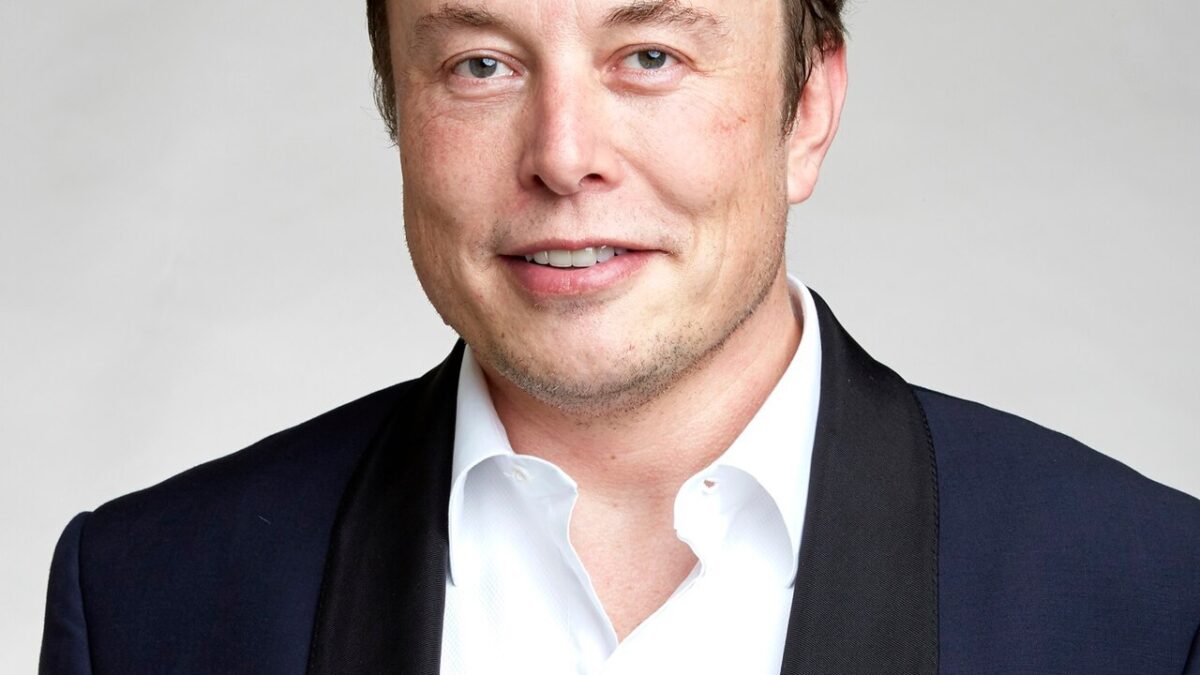
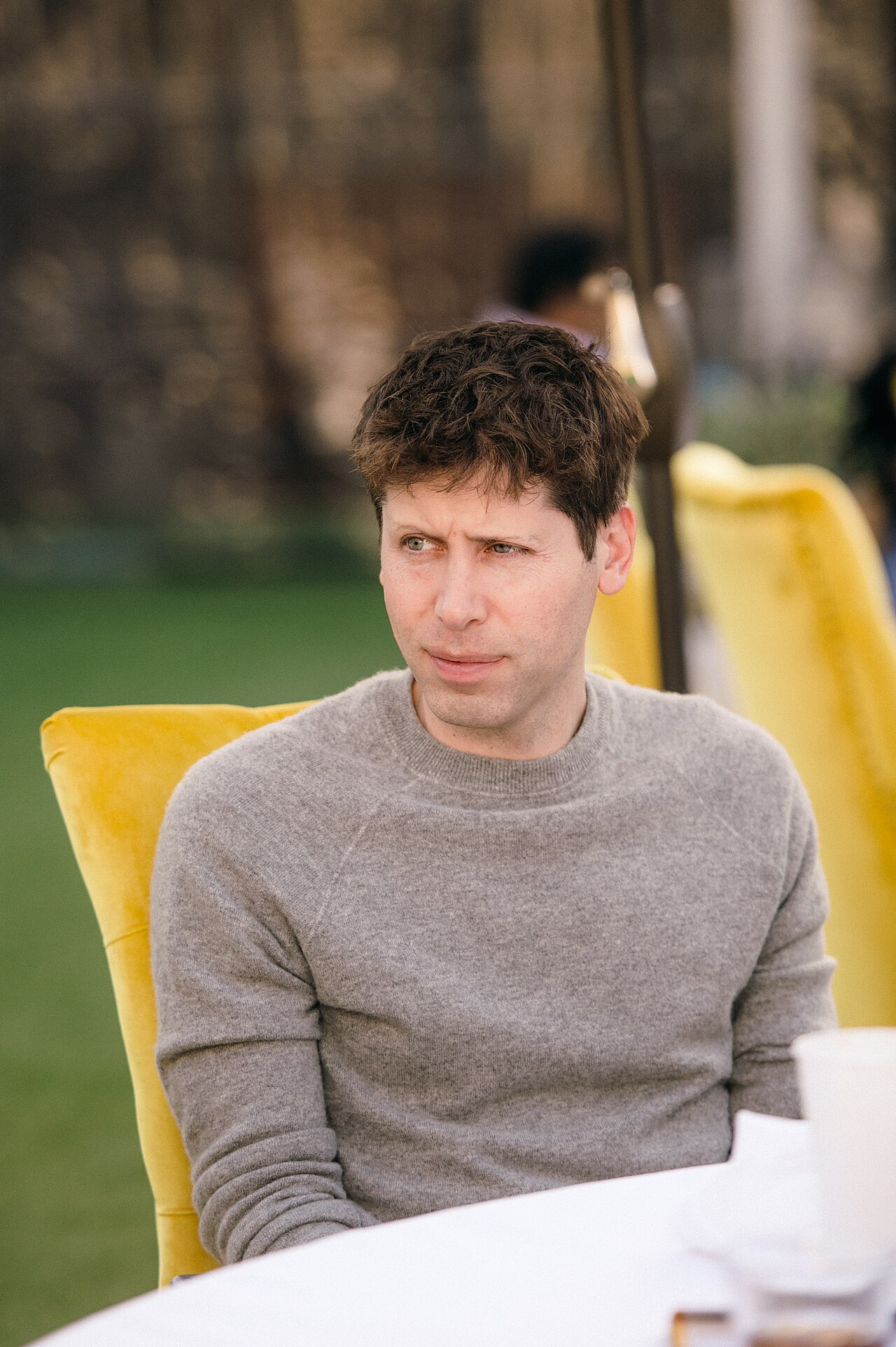
Elon Musk and Sam Altman have been sniping at each other on X for years, but this weekend’s exchange felt different — sharper, more personal, and timed almost too perfectly to be a coincidence. Within hours, a quote war between the two men had racked up more than 11 million views, and tech press from Fortune to CNBC was asking the same question: why now, and why so ugly?
The short answer is that the feud never really cooled off — it just went quiet while both men waited for a reason to reignite it. Apple just handed them one.
What Happened This Weekend
The spark was Altman’s response to a jab from Musk about GPT-5.6 Sol, OpenAI’s newest flagship model, which shipped the same week xAI pushed out Grok 4.5. Musk needled Altman on X with a comment dismissing the release as overhyped. Altman’s clapback went further than his usual diplomatic non-answers: he suggested the clearest evidence that GPT-5.6 Sol had succeeded was that “elon is obsessed with me again.” Musk, never one to let a line like that sit unanswered, fired back with an orbital-datacenter jab that seemed to reference Altman’s own courtroom history — a not-so-subtle nod to the ongoing legal fight between the two.
The exchange read like two rival showrunners trading barbs at a press junket, except the stakes are a multi-hundred-billion-dollar AI industry and two companies that are both, as it happens, quietly preparing for public investors to start paying very close attention.
The History Behind the Musk-Altman Rivalry
For anyone just tuning in, it’s worth remembering that Musk and Altman didn’t start as rivals — they started as co-founders. Both were among the founding backers of OpenAI in 2015, when the organization launched as a nonprofit research lab explicitly built to counterbalance what Musk saw as a dangerous concentration of AI power in a handful of corporations, Google’s DeepMind chief among them. Musk poured tens of millions of dollars into the project in its early years and served on its board.
That partnership didn’t survive contact with OpenAI’s own ambitions. In 2018, Musk left the OpenAI board amid disagreements over the company’s direction — reportedly including a proposal that he take over as CEO, which the rest of the leadership team rejected. OpenAI subsequently restructured around a “capped-profit” model to attract the kind of capital needed to compete at the frontier of AI research, a move that put it on a collision course with the nonprofit mission Musk had funded it to pursue.
Musk went on to found xAI in 2023, building Grok as a direct competitor to ChatGPT. Then, in 2024, he sued OpenAI, Altman, and co-founder Greg Brockman, alleging the company had abandoned its founding nonprofit mission in favor of a for-profit structure that served Microsoft’s interests more than the public’s. A jury ruled against Musk in May 2026, closing that specific chapter of the legal fight but doing nothing to cool the personal animosity between the two men — if anything, the loss seems to have sharpened it.
Why the Musk vs. Altman Feud Isn’t Just Personal
Here’s the part that separates this feud from ordinary tech-CEO trash talk: both companies are, right now, courting the exact kind of public-market attention that a good, quotable rivalry generates. SpaceX shares only recently began trading, giving Musk a fresh audience of investors watching his every public move. OpenAI, meanwhile, has confidentially filed for its own public listing — a filing that’s still under wraps but that plenty of Wall Street analysts assume is coming within the next year or two.
Coverage from Fortune and TipRanks has openly framed the latest round of sniping as a “corporate street fight” dressed up as a personal feud — good for headlines, good for engagement metrics, and conveniently timed to keep both founders’ names in front of exactly the investors they’re trying to court. Cynical as that read is, it’s hard to dismiss: nothing generates free press quite like two billionaires calling each other names.
Underneath the theater, there’s a genuine competitive stakes question. xAI shipped Grok 4.5 the same week OpenAI shipped GPT-5.6 Sol — a scheduling coincidence that reads a lot like two teams racing to out-launch each other. If you want a technical read on how Grok stacks up, our review of Grok 4.5 goes deep on where it’s genuinely competitive with OpenAI’s frontier models and where it still trails.
An Interesting Tangent: The Apple Lawsuit Connection
Most outlets — CNBC, eWeek, and Fortune among them — tie this weekend’s reignition directly to a lawsuit that had nothing to do with Musk at all: Apple’s July 10 filing against OpenAI, alleging systematic trade-secret theft by more than 400 former Apple employees who joined OpenAI and its hardware partners. We covered the mechanics of that case in detail in the OpenAI lawsuit we covered earlier this week, and the timing here is hard to ignore: a fresh legal headache for OpenAI, landing just as Musk was looking for an opening.
Other reporting frames the trigger differently — pointing instead to Musk’s frustration over Trump’s public favoritism toward Altman in recent White House AI policy discussions. Both threads are probably true simultaneously. Musk rarely needs just one reason to go after Altman; he tends to stack them.
What This Means for AI Users
If you’re just trying to decide which chatbot to use, none of this billionaire theater should actually move your decision much — but it does explain the pace of releases you’re seeing. Grok and ChatGPT are shipping major updates within days of each other specifically because their parent companies are locked in a rivalry that’s as much about ego and IPO optics as it is about who builds the better model. That competitive pressure is, if you squint, good for users: faster iteration, more aggressive feature rollouts, and pricing that has to stay competitive on both sides.
It’s also worth remembering that Musk and Altman aren’t the only players shaping where this goes. Anthropic has taken a deliberately different public posture, and how Anthropic’s Claude Sonnet 5 fits into the AI race is worth understanding if you want the full picture of where the frontier actually sits right now, rather than just the two loudest voices in it.
Where This Goes Next
Don’t expect this to be the last round. Musk and Altman have now traded barbs publicly for the better part of a decade, through a board departure, a lawsuit, a jury verdict, and now a fresh news cycle tied to Apple’s legal troubles. The pattern holds: something happens in the industry, one of them takes a shot on X, the other claps back, and the cycle repeats a few months later.
What’s changed is the audience. Both companies are now positioning themselves in front of public investors who read every headline as a signal. The next flare-up probably won’t be about a lawsuit or a policy meeting at all — it’ll be about whichever company’s IPO filing becomes public first, and which founder gets to spin the narrative in his favor.
Deixe um comentário