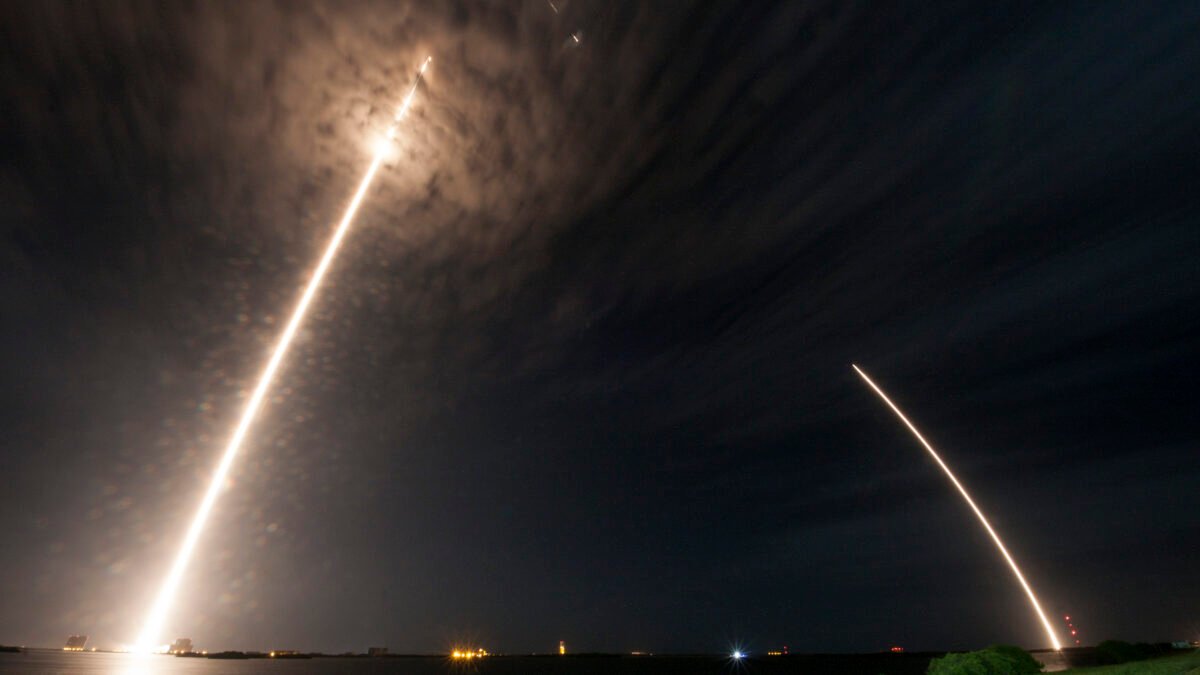
SpaceX shares jumped roughly 23% over two trading days this week, right after the company’s first major insider lockup expired on August 6 — the exact moment Wall Street expected the stock to fall, not fly.
Nearly a billion shares held by early investors and employees became eligible to trade on Thursday, and instead of a sell-off, SPCX closed up 6.1% that day, then surged another 16% on Friday. The two-day run added more than $327 billion in market value and pushed the stock back within reach of its $135 IPO price for the first time since a post-earnings slide last month.
What actually unlocked on August 6
SpaceX designed its lockup as a staggered schedule rather than a single cliff-edge release. The August 6 tranche freed up to 911.5 million shares — about the first 20% of eligible insider holdings, worth close to $100 billion at the time. It’s the largest single unlock the company has faced since going public, and analysts had spent weeks warning that a flood of insider selling could hammer the price.
That didn’t happen. Trading volume did spike — more than 255 million shares changed hands on August 6, the busiest session since SpaceX’s first week on the market — but buyers absorbed the supply instead of running from it.
Why the stock rallied instead of dropping
Part of the story is timing: the unlock landed while SPCX was already trading below its IPO price after a rough post-earnings stretch, which left the stock looking cheap relative to where it debuted. When insiders didn’t dump shares in bulk, it read as a vote of confidence rather than an exit, and momentum buyers piled in behind it.
It also helps that SpaceX isn’t a one-trick rocket company anymore. We’ve covered SpaceX’s quiet AI compute business before, and that diversification — leasing compute capacity alongside its launch and Starlink revenue — gives investors more than a single earnings lever to bet on.
Not every hardware-adjacent stock has caught the same tailwind lately. AMD beat Wall Street’s Q2 numbers outright and its chip stock fell anyway, a reminder that a “buy the print” reaction is never guaranteed just because the fundamentals look fine.
Context matters here too. SpaceX’s IPO priced at $135 a share earlier this year, instantly making it one of the largest public debuts in the space and aerospace sector. The stock spent the following weeks trading at a premium before a rocky earnings report knocked it below that IPO price — which is exactly the environment analysts pointed to as the riskiest possible backdrop for a $100 billion insider unlock. The broader AI infrastructure buildout hasn’t made that backdrop any calmer; we’ve tracked how investor doubts around AI infrastructure spending have rattled even well-funded companies this year, and SpaceX wasn’t obviously immune to that skittishness going into Thursday.
Who’s still locked up — and when the next shares hit the market
This is only the first of several scheduled unlocks. Elon Musk’s roughly 6.4 billion shares remain locked until June 2027, so none of this week’s action involved his stake. A smaller tranche of 319 million shares is set to unlock on August 12, with additional releases scheduled for September and October. By the end of 2026, more than 4 billion shares are expected to be tradable in total — a fraction of what’s still locked, but enough that this week’s calm reaction won’t be the last test.
What it means if you’re watching from the outside
For everyday investors, the takeaway isn’t that lockup expirations no longer matter — it’s that they don’t automatically mean a crash. SpaceX’s insiders had every incentive to sell into a $100 billion unlock and largely didn’t, at least not enough to move the price down. The next tranches, especially the September and October releases, will show whether that restraint holds once the stock is trading closer to (or above) its IPO price rather than below it.
Whether the rally has legs likely depends less on the calendar of upcoming unlocks and more on how SpaceX’s non-rocket revenue — Starlink subscriptions, launch contracts, and that AI compute business — performs in its next earnings report.
Trading and lockup figures in this piece are drawn from public market reporting by Bloomberg and Forbes as of August 7, 2026.
Leave a Reply