Samsung’s first pair of AI smart glasses just got a price tag — and it’s aggressive. A fresh leak pegs the base “Jinju” model at $379 to $499, running Google’s Gemini AI with no display at all, just two days before Samsung is expected to formally reveal it at Galaxy Unpacked.
The numbers come from multiple leak trackers, including a detailed report from BigGo Finance that lines up with earlier spec leaks from TechEBlog and Android Authority. None of it is official — Samsung hasn’t confirmed pricing, and won’t until the glasses actually appear on stage — but the sourcing has been consistent for weeks now, which is usually a sign the leak is close to final.
What “Jinju” actually is
Internally codenamed Jinju (model number SM-O200J), Samsung’s glasses skip the screen entirely. There’s no heads-up display, no AR overlay — just audio. Bone-conduction speakers pipe sound directly into your ears without leaking it to whoever’s sitting next to you, and a pair of 12-megapixel Sony camera sensors handle photos, video, and the visual half of Gemini’s “look and ask” feature. A Qualcomm Snapdragon AR1 chip runs the show, backed by a modest 155mAh battery packed into a frame that reportedly weighs around 50 grams — light enough to pass for a normal pair of glasses at a glance.
That’s the point, really. Samsung reportedly partnered with Gentle Monster and Warby Parker on the frames specifically so Jinju doesn’t scream “tech gadget.” Gentle Monster is handling a bolder, fashion-forward look; Warby Parker is doing the plainer, classic-frame version. Photochromic lenses that darken automatically in sunlight round out the disguise.
Why no screen
Leaving out a display isn’t a corner Samsung cut by accident — it’s a deliberate first move. Putting a screen into glasses this small usually means a heavier frame, a shorter battery life, and a price closer to $1,000. By shipping audio-only first, Samsung gets a lighter, cheaper product out the door fast, with Gemini doing double duty as the interface: ask it what you’re looking at, get an answer spoken back, no glancing at a tiny projected menu required.
The display isn’t gone for good, though. Leaks point to a second model, codenamed Haean (SM-O200P), arriving in 2027 with a micro-LED display for actual AR overlays — reportedly priced at $600 to $900. The strategy reads like Samsung is deliberately splitting the market the way it does with phones: a cheaper, more accessible model now, a premium flagship version later once the harder engineering problem is solved.
What Gemini actually does on your face
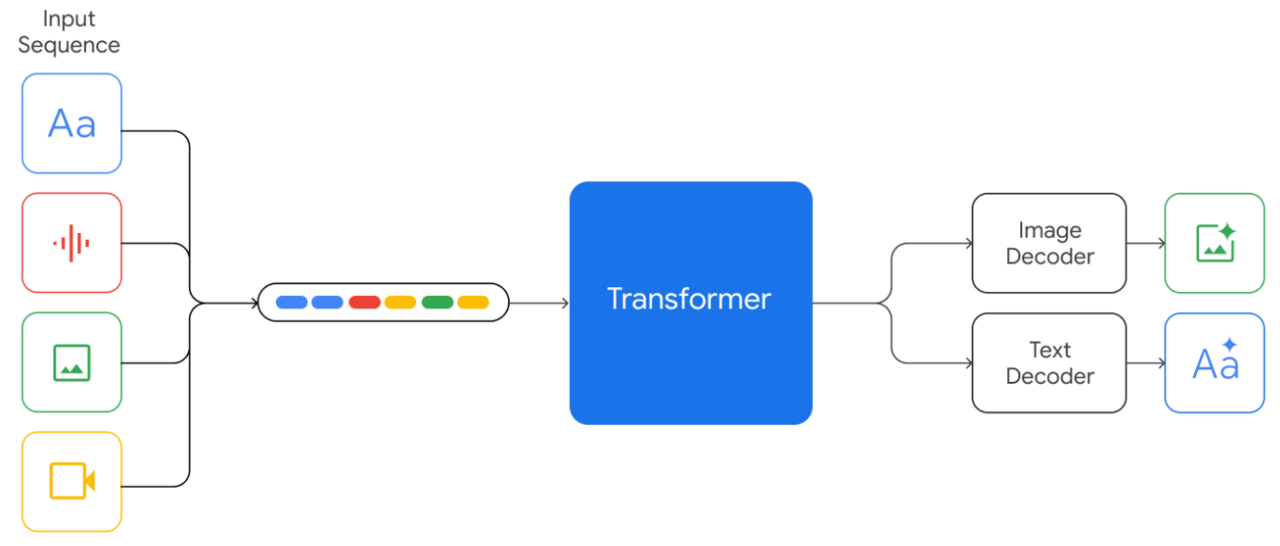
Jinju runs on Samsung’s new Android XR platform, but the software story is really Gemini’s. Point the camera at a menu in a language you don’t read and ask for a translation, and the answer comes back through the speakers in real time. Ask what’s in front of you and Gemini can identify it, price-check it, or pull up context — all without pulling out your phone. It’s a narrower feature set than a full AR headset, but it’s also the reason Samsung can ship this thing at under $500: the hard part (a real-time visual AI) is handled by Gemini’s models running partly on-device and partly in the cloud, not by an expensive display stack bolted onto your face.
Samsung vs. Meta’s head start
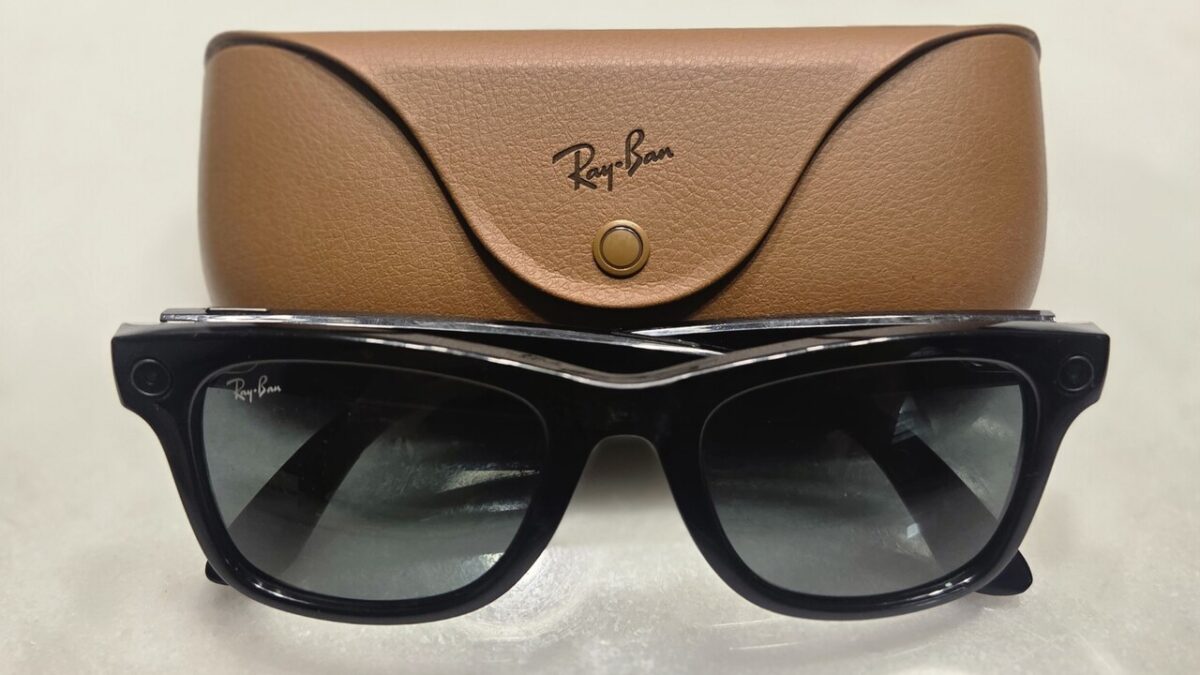
Meta has had a two-year lead in this category with Ray-Ban Meta glasses, and reportedly sold well north of two million pairs. A $379 starting price would undercut Meta’s current lineup and put real pressure on it right as Samsung leans on Gemini’s multimodal AI — voice, camera, and context — as the headline feature instead of the hardware. If you’re weighing smart glasses right now, our Rokid Glasses review is a useful reference point for what audio-first, display-free glasses actually feel like to wear day to day.
What’s next
Samsung Galaxy Unpacked is set for July 22, 2026, in London, according to a BigGo Finance report citing Korean outlets Seoul Economic Daily and Korea Economic Daily TV — the same event where the Galaxy Z Fold 8 Ultra and Z Flip 8 are expected to headline. We’ve got a full guide on how to watch Unpacked live if you want to catch the reveal yourself, and we’re tracking the rest of the leak cycle in our Galaxy Z Fold 8 Ultra coverage as more details surface.
Until Samsung actually says the number out loud on stage, treat $379–$499 as a well-sourced rumor, not a receipt. We’ll update this piece the moment pricing is confirmed.
Deixe um comentário