If you’ve been holding off on a new laptop because you assumed you’d need a discrete GPU to get decent graphics performance, the ground shifted under that assumption earlier this year — and most shoppers haven’t caught up yet. Intel’s Arc B390 integrated graphics chip is now benchmarking in the same range as a discrete RTX 3050 Ti laptop GPU from just a couple of years ago. That’s not a marketing claim; it’s what shows up when you actually run the numbers.
Here’s what you’ll learn: what the Arc B390 actually is, how a rumor about it got tangled up with what Samsung really shipped, and how to tell when you genuinely still need a discrete GPU versus when a strong integrated one like this is enough.
What “Integrated” vs. “Discrete” Actually Means
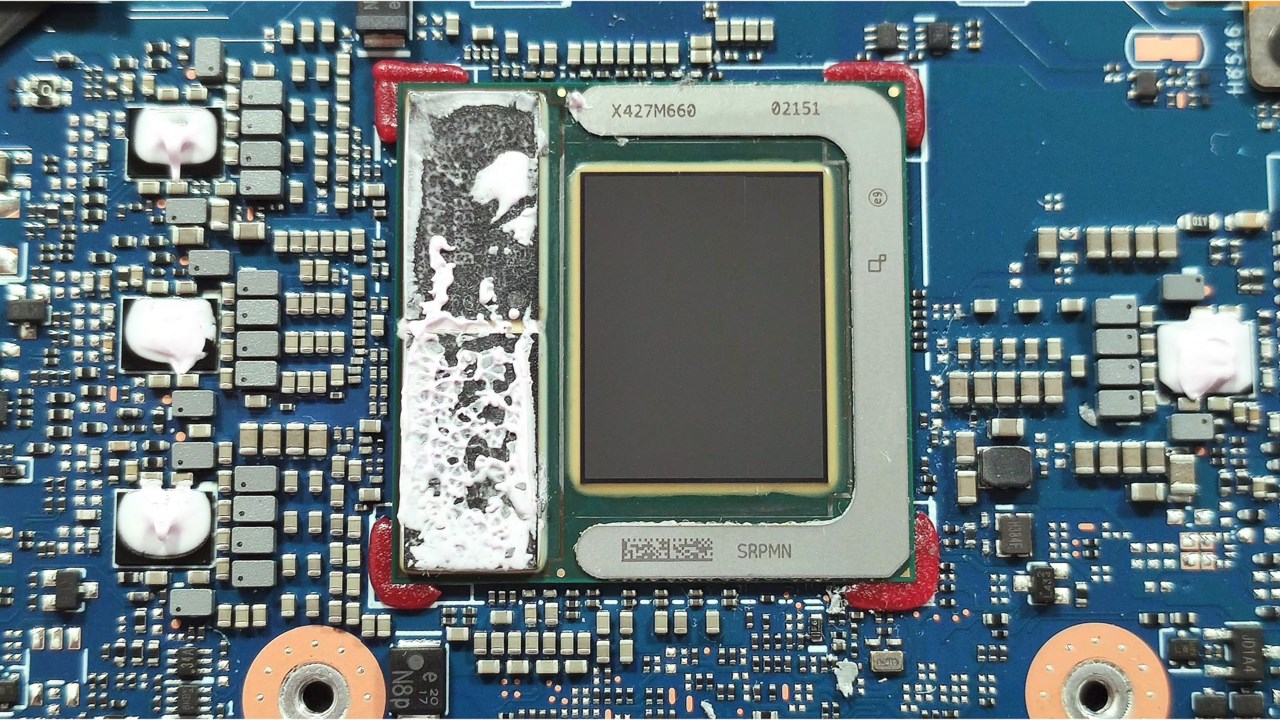
An integrated GPU (iGPU) lives on the same chip as your CPU and shares system memory with it. A discrete GPU (dGPU) is a separate chip with its own dedicated memory, physically bigger, drawing more power, usually bolted onto laptops that need real gaming or rendering performance. The tradeoff has always been simple: iGPUs are cheaper, cooler, and better for battery life; dGPUs are faster, full stop. Arc B390 is the first consumer iGPU in years to meaningfully blur that line rather than just narrow it a little.
Correcting the Record: What Leaked vs. What Actually Shipped
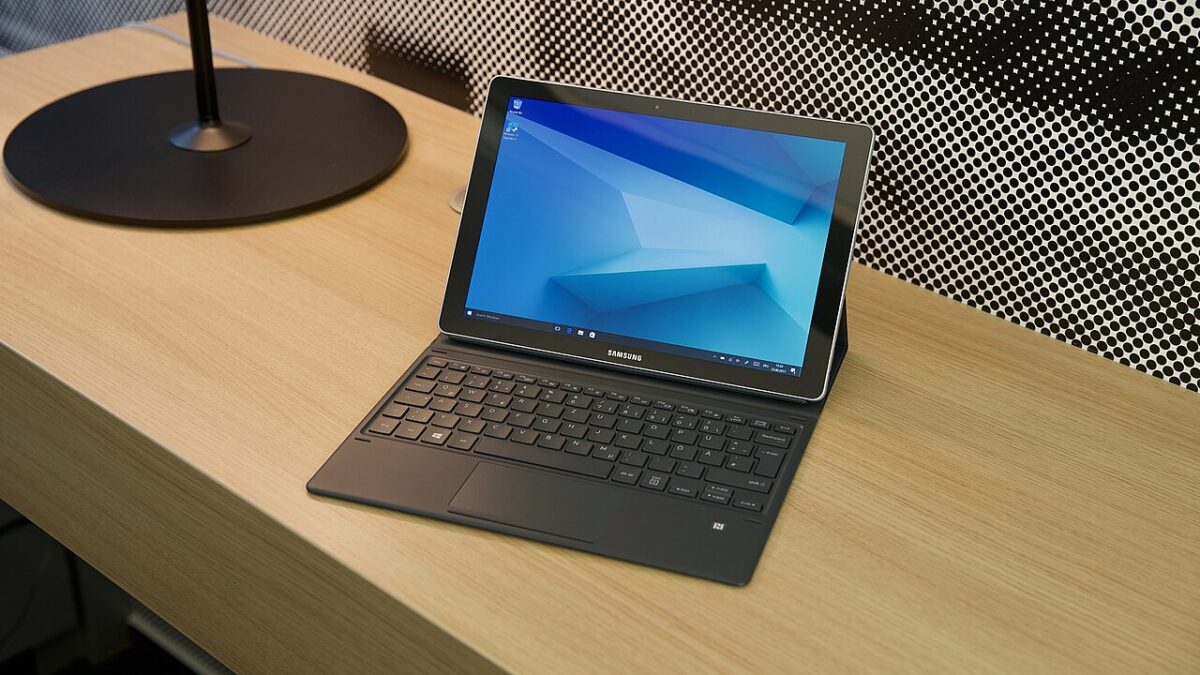
Back in November 2025, a Geekbench listing leaked showing a Samsung Galaxy Book6 Pro paired with an unreleased Intel Arc B390 iGPU, sourced to leaker “Jaykihn.” Outlets ran with a “first laptop with Arc B390” framing at the time. Since then, two things happened that are worth untangling if you’ve seen that story resurface: Intel officially launched the Arc B390 as part of its Panther Lake platform (marketed as Core Ultra Series 3) at CES 2026 in January, confirming the chip is real and specced roughly as leaked — 12 Xe3 cores at up to 2.5GHz. Samsung also officially launched the Galaxy Book6 series at that same CES. But the headline Book6 Pro and Ultra configurations that actually reached shelves lead with a discrete Nvidia RTX 5070 or RTX 5060, not the Arc B390 as the star attraction. The Arc-B390-only configuration from the original leak appears to be a lower-cost SKU, and no outlet has confirmed it’s the version most buyers are actually getting. Treat the “first laptop” claim as unverified marketing-adjacent leak talk, not settled fact — the chip itself, though, is very real and already shipping inside Intel’s Panther Lake CPUs, officially available since late January 2026.
It’s a useful lesson in how leak culture works generally: a real benchmark leak (the Geekbench listing was genuine) gets wrapped in a speculative headline (“first laptop to get it”), the headline outlives the nuance, and six months later the original framing is technically half-wrong even though the underlying data was accurate the whole time. The chip existed; the specific “which laptop gets it first, and how” detail is where the story drifted.
The Numbers That Matter
On Geekbench’s OpenCL compute test, the Arc B390 posted a score of roughly 57,001 — about 38% faster than its own predecessor-tier Arc 140T, and 83-92% faster than the Arc 140V found in last year’s Lunar Lake laptops. Translated into GPU-class terms, independent benchmark trackers place that performance in the same neighborhood as Nvidia’s GTX 1650 Ti up through the RTX 3050 or 3050 Ti mobile — GPUs that, until recently, you could only get by paying for a separate discrete chip and the battery life and heat that come with it.
Worth noting: Arc B390 isn’t a “successor” to the related Arc B380 — they’re the same Panther Lake Xe3 generation, with B380 clocked slightly lower (2.3GHz vs. 2.5GHz on the same 12 cores) and aimed at gaming handhelds like the MSI Claw rather than laptops. If you see both names, they’re siblings, not different generations.
Pro Tip: How to Tell If You Actually Need a Discrete GPU
Here’s the part most spec sheets won’t tell you outright. If your workload is web browsing, office work, video calls, light photo editing, or casual and older games at 1080p, an Arc B390-class iGPU genuinely covers you now — that wasn’t true even 18 months ago. Where you still want a discrete GPU: competitive esports titles pushing high refresh rates, current AAA releases at high settings, any serious video export/render work, or local AI model work that benefits from dedicated VRAM. The honest dividing line isn’t “gaming vs. not gaming” anymore — it’s “casual/older games vs. demanding current-gen games,” and that line moved meaningfully in Intel’s favor with this generation.
If you’re shopping and a listing doesn’t specify which GPU configuration a laptop actually has, that ambiguity is itself a red flag worth asking the retailer about directly before buying — the difference in real-world performance and battery life between an Arc B390-only build and an RTX 5070 build is substantial, even though both might get marketed under the same “Galaxy Book6 Pro” name.
Frequently Asked Questions
Is the Intel Arc B390 as fast as a real gaming GPU?
It’s faster than entry-level discrete mobile GPUs from a couple of generations back, but it’s still well behind current mid-range and high-end discrete cards like the RTX 5070. For casual and older gaming, it’s genuinely capable. For current AAA titles at high settings, you’ll still want a dGPU.
Does the Samsung Galaxy Book6 Pro actually use the Arc B390?
Some configurations reportedly do, but the models that shipped as the headline Book6 Pro/Ultra options use discrete Nvidia RTX 5070/5060 GPUs instead. The Arc B390 lives inside the Panther Lake CPU regardless, handling lighter graphics tasks even on RTX-equipped models when the discrete GPU isn’t needed.
What’s the difference between Arc B390 and Arc B380?
Same generation and core count (12 Xe3 cores), different clock speeds and target devices — B390 for laptops, B380 (slightly lower clocked) for handheld gaming devices like the MSI Claw.
Should I wait for more Arc B390 laptops before buying?
Only if integrated-only graphics genuinely fit your use case — if you need serious gaming or rendering power, a discrete GPU still wins outright regardless of how good the iGPU alongside it is.
The Bottom Line
The Arc B390 story is a good reminder that not every leak ages the way it was originally framed — the chip is real, it’s genuinely impressive, and it’s already out; the “first laptop” narrative around one specific device just didn’t survive contact with the actual product launches. If you’re comparing laptop chips more broadly, we go deeper on how Panther Lake stacks up against competing platforms in our coverage of Nvidia’s ARM-based N1X laptop chips, and if $600 laptops are more your budget than a Book6 Pro, our guide to the best budget laptops under $600 covers what integrated graphics can realistically do at that price point too.
Deixe um comentário