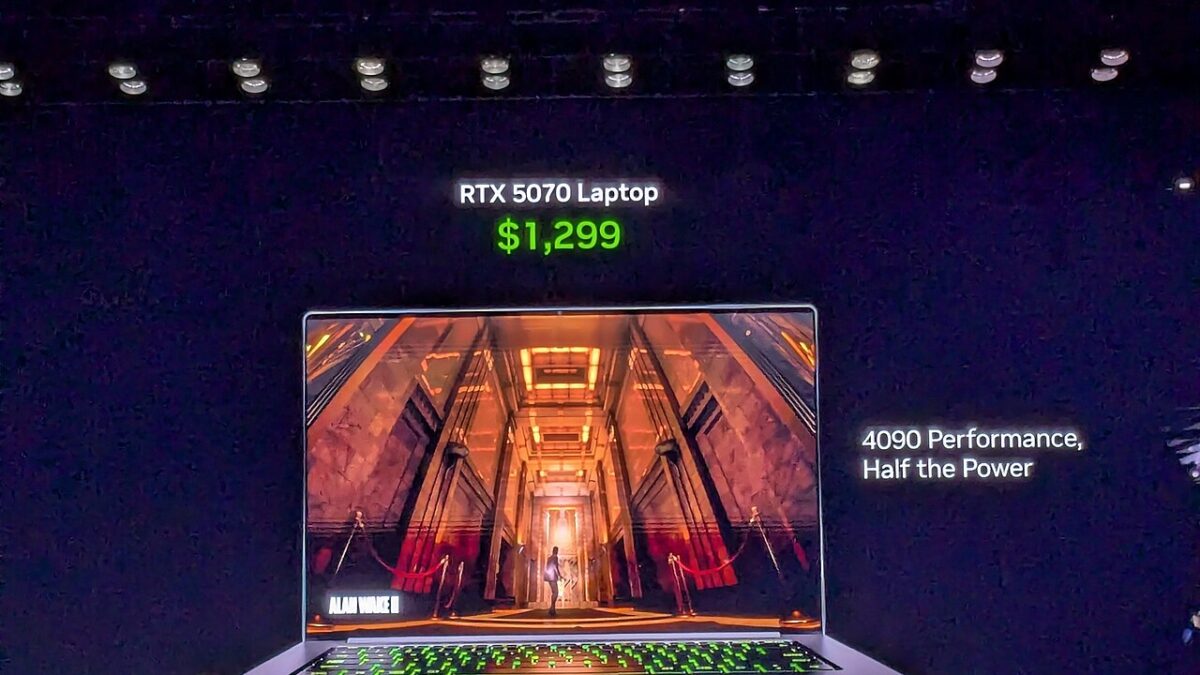
Nvidia’s long-rumored ARM-based laptop chip, code-named N1X, is real: Jensen Huang confirmed it around Computex 2026, pairing an Arm CPU co-designed with MediaTek to a Blackwell-architecture GPU with up to 6,144 CUDA cores — roughly RTX 5070-class graphics — on a single package. What isn’t confirmed is when you’ll actually be able to buy a laptop with it inside, and the reporting on that point is a mess.
What N1X actually is
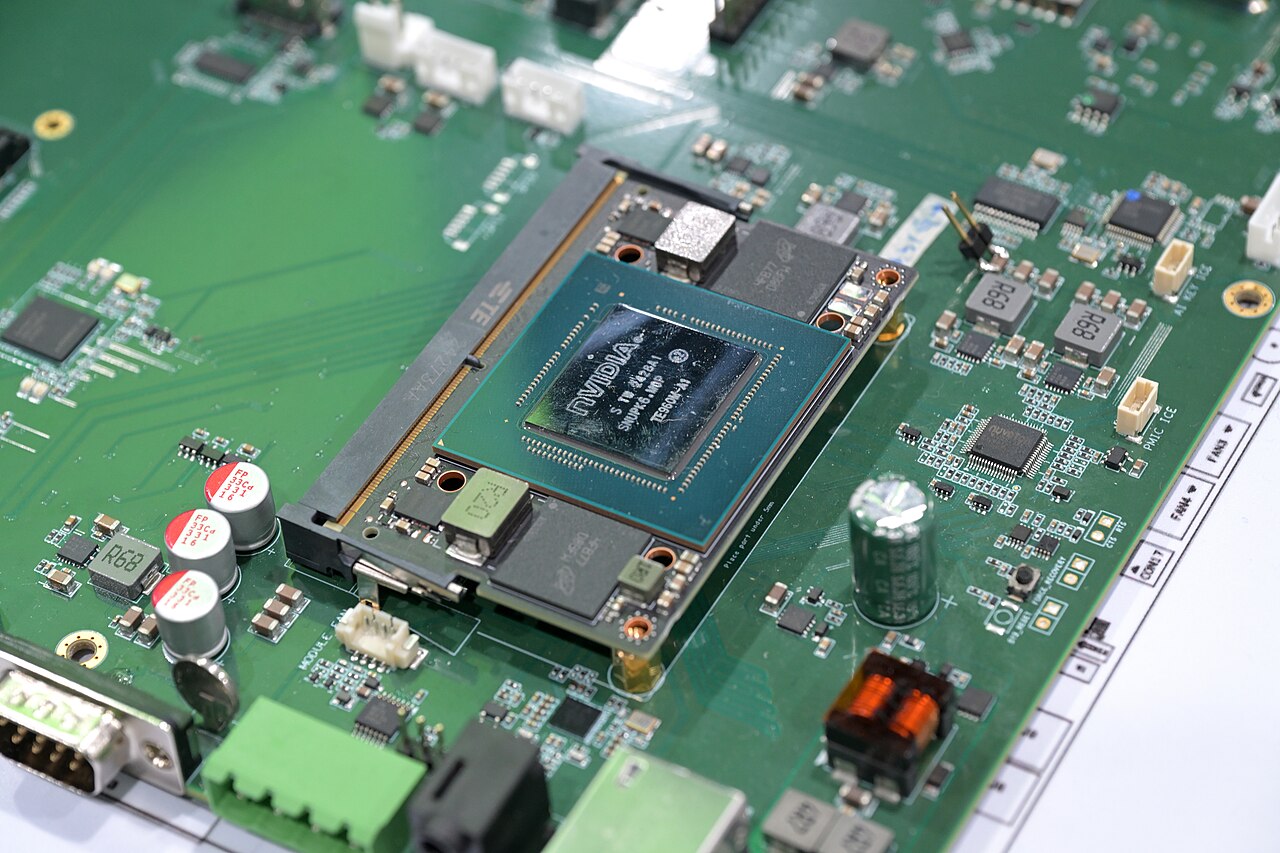
The chip links its Arm CPU cores and Blackwell GPU cores over Nvidia’s NVLink-C2C interconnect at roughly 300GB/s, built on TSMC’s 3nm process, according to spec leaks from Tom’s Hardware and VideoCardz. Core counts still vary by outlet — some reports describe up to 20 Arm cores in 12+10 or 10+10 configurations — because Nvidia hasn’t published an official spec sheet. Power envelope is reported between 45W and 80W, with memory configurations scaling from 16GB up to 128GB of LPDDR5X.
The more interesting move is software: Nvidia plans to ship a native ARM64 GeForce Game Ready Driver, letting games run without leaning on Microsoft’s Prism x86 emulation layer under Windows 11. That’s paired with a full CUDA stack — TensorRT, PyTorch’s CUDA backend — landing on Windows-on-Arm for the first time, which frames N1X as as much an AI/creator chip as a gaming one.
Who’s actually building laptops with it
Coverage points to broad OEM buy-in: Dell, HP, Lenovo, Asus, Acer, MSI, and Microsoft’s own Surface line have all reportedly signed on, according to Tom’s Guide’s roundup of Computex coverage. That’s a wider commitment than Qualcomm’s Snapdragon X Windows-on-Arm push ever secured for gaming-focused hardware, and it’s the main reason this round of “ARM gaming laptops” is being taken more seriously than the last one.
The catch: nobody agrees on when it ships
This is where the story gets messy. TechPowerUp has published two conflicting reports — one saying N1X-based laptops were targeting the first half of 2026, a separate piece saying that timeline got “pushed to late 2026.” Igor’sLAB’s Computex leak coverage described a 2026 demo but only a “late” market launch. Notebookcheck went with vaguer language — “limited 2026 availability.” Other outlets report OEMs have locked in a Fall 2026 launch for the first wave of premium models, with cheaper, broader N1 (non-X) laptops sliding into early 2027.
No source in this pass turned up an actual Nvidia press release or product page with a committed ship date — everything traces back to press coverage of leaks and Computex demo units. So treat any specific quarter as unconfirmed until Nvidia or an OEM says so directly. If a wave of N1X laptops does show up before the end of the year, Fall 2026 is the safer bet than anything earlier.
Why the emulation risk still matters
Even once hardware ships, the software risk that’s dogged every Windows-on-Arm gaming attempt hasn’t gone away. Older titles that don’t get native ARM64 patches will fall back to emulation, which PCWorld’s coverage pegs at roughly 80% of native performance in typical cases — and compatibility for edge-case games is still, in Tom’s Guide’s own phrasing, “a work in progress.” Windows-on-Arm has burned buyers before with the Snapdragon X launch, where “most apps work” turned out to be cold comfort for the games and tools that didn’t. Nvidia’s native driver and CUDA stack are a stronger bet than anything Qualcomm brought to the table, but until real N1X hardware is in reviewers’ hands, that’s a promise, not a result.
There’s also a practical reason to wait for real reviews rather than pre-order hype: driver maturity tends to matter more than raw spec-sheet numbers in the first generation of any new architecture. Qualcomm’s Snapdragon X launch showed that a chip can post excellent benchmark numbers and still frustrate day-to-day users if game and app compatibility lags behind the hardware. Nvidia’s advantage here is that it controls both the GPU driver stack and a huge existing library of CUDA software, which is a stronger starting position than Qualcomm had — but “stronger position” and “solved problem” aren’t the same thing until independent reviewers get hands-on time with shipping hardware, not demo units on a Computex show floor.
If ARM laptops end up being more your speed for portability than pure gaming horsepower, our look at budget laptops worth buying right now covers what’s actually shipping today rather than what might land by Christmas. And if you’re weighing storage for a new rig regardless of which chip architecture wins, we broke down the external SSDs worth pairing with any laptop in our latest storage roundup.
Deixe um comentário