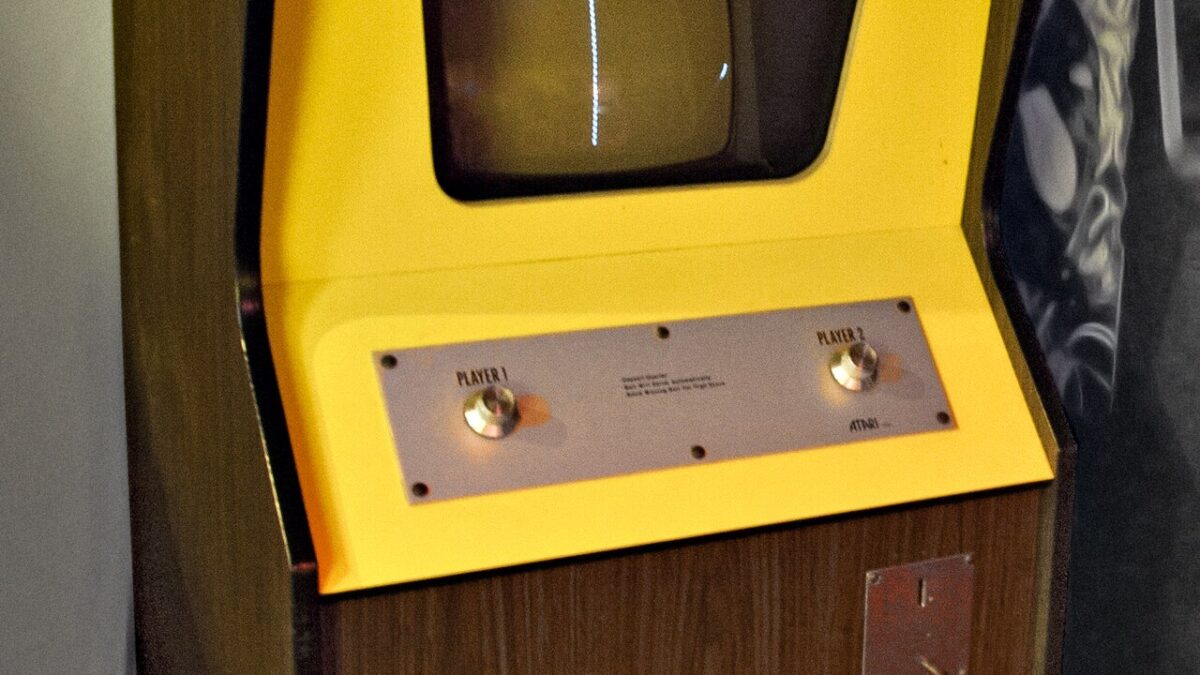
Pong is getting an origin story. So is Missile Command. If that sentence made you do a double-take, you’re not alone — Universal Pictures just signed a deal with Atari to turn ten classic arcade games into movies, and nobody in Hollywood or gaming media seems entirely sure what that’s supposed to look like.
Here’s the honest truth: this isn’t a rumor or a leaked pitch deck. It’s a real, signed agreement, announced July 24, 2026, and Universal has already bought the first project out of it.
What the Atari-Universal Movie Deal Actually Covers
Atari and Universal Pictures signed a “first-look” deal covering ten of Atari’s oldest and most recognizable arcade titles: Asteroids, Adventure, Berzerk, Breakout, Centipede, Crystal Castles, Millipede, Missile Command, Pong, and Yars’ Revenge. A first-look deal means Universal gets right of first refusal on any film built around these properties — Atari isn’t obligated to sell every title to Universal, but Universal sees them before anyone else does.
Universal has already committed to one film from the slate, based on an as-yet-unconfirmed Atari IP. Entertainment 360 is producing, and the screenplay is being written by Matt Reilly and Carl Hampe. Reports describe the intended tone as “big-scale action-adventure” — which, if you know these games, is doing a lot of work in that sentence. Deadline first reported the terms of the agreement.
Ten Games, Zero Characters, Zero Plot
Here’s where it gets genuinely strange. Most successful video-game movies — Super Mario Bros., Sonic the Hedgehog, even the Five Nights at Freddy’s franchise — start with something a screenwriter can actually work with: a protagonist, a setting, a conflict. The Super Mario Bros. Movie made $1.36 billion globally by leaning into a cast and world audiences already loved.
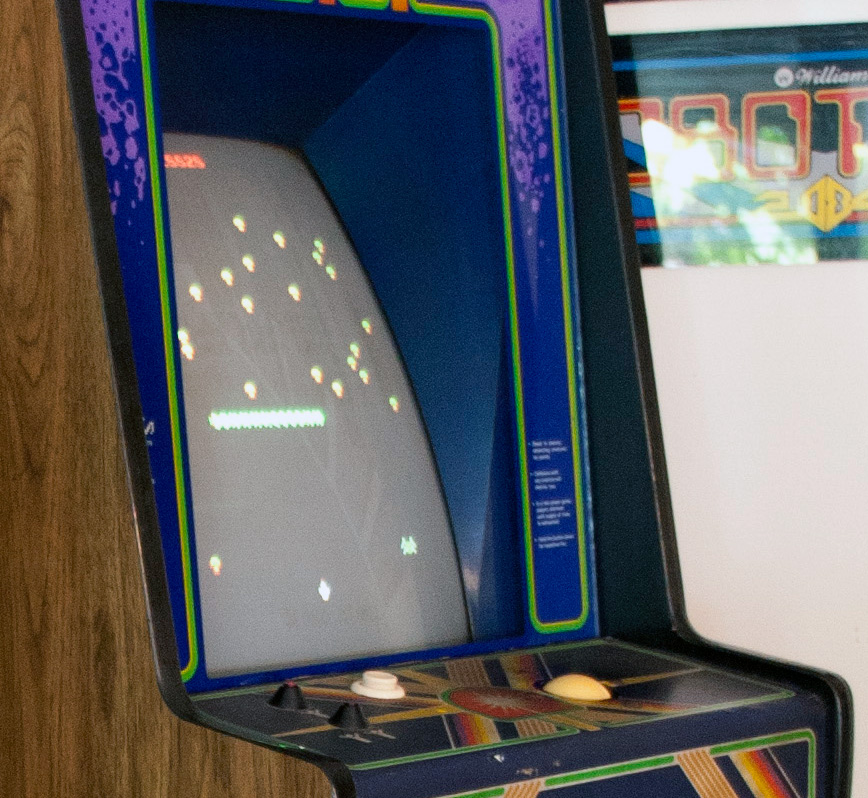
Atari’s list has almost none of that. Missile Command is a radar screen and some incoming dots. Pong is two paddles and a ball. Centipede is a bug crawling down mushrooms. There’s no Mario here, no hedgehog, no lore to mine — just an abstract mechanic and a name people over 40 recognize instantly.
That’s not necessarily a dealbreaker. If back pain during long sessions is your concern, that’s a different article — but if you’re wondering whether retro-anything can carry a modern audience, our deep dive into the retro handheld gaming boom covers the same underlying bet: nostalgia recognition can outweigh a thin premise, at least for a while.
Interesting Tangent: Hollywood Has Done This Before
Skeptical that a studio can build two hours of story out of a paddle and a ball? Look at Battleship (2012) — Universal itself turned a board game with zero narrative into an alien-invasion blockbuster starring naval destroyers and Rihanna. It didn’t make money, but it proved the format is technically possible. The Angry Birds Movie did something similar, inventing an entire flightless-bird society around a physics-based slingshot mechanic. Studios have a playbook for “IP with no story”: bolt on a genre, invent characters wholesale, and let the title do the recognition work in marketing.
Expect the same approach here. A Missile Command movie probably won’t be about missile command as a mechanic — it’ll be a Cold War thriller or alien-invasion disaster film that happens to be named after the arcade cabinet.
Why Universal Wants an Atari Movie Deal Right Now
Video game adaptations have quietly become one of the safest bets in an industry desperate for pre-sold audiences. Beyond Mario’s billion-dollar run, Five Nights at Freddy’s turned a modest indie horror game into a $300 million-plus theatrical hit, and A Minecraft Movie drew in players who’d never seen a script attached to the game before. Every one of those successes shares a trait: instant name recognition, built over years, at zero marketing cost to the studio.
Atari’s brand carries that same recognition, arguably more of it — Pong and Asteroids are cultural shorthand for “video games” even to people who’ve never played a modern console. Studios are betting that the name alone survives the total absence of story, the same wager as any legacy toy or board-game adaptation.
Atari’s Bigger Nostalgia Play
This deal doesn’t happen in a vacuum. Atari has spent the last several years rebuilding its entire business around exactly this kind of brand licensing — mini arcade cabinets, anniversary hardware reissues, and retro-styled handhelds that put fifty-year-old catalog titles in front of a generation that never touched the originals. The same instinct that drives someone to buy a plug-and-play Centipede cabinet is the instinct Universal is betting on at the box office: recognition without requiring anyone to have actually played the game.
That strategy has proven durable in hardware — Atari-branded retro devices keep finding buyers years after the novelty should have worn off, which is one reason the wider retro-handheld category has kept growing rather than fading. Universal is essentially applying that same logic to a two-hour theatrical format instead of a $60 gadget.
Not Everyone’s Convinced
Reaction so far has been mixed, leaning skeptical. Coverage from outlets like Time Extension noted the deal has “some people scratching their heads,” and it’s easy to see why: adapting a franchise like Xenoblade or a story-driven RPG at least starts with a script’s worth of material. Our piece on Xenoblade Chronicles 2’s unlikely return on Switch 2 covers a case where an old game found new life because the story was already there. Atari’s slate is the opposite bet: no story, no characters, just the name — and Hollywood is wagering that’s still worth ten movies.
The counterpoint, though, is that Hollywood has built entire franchises from even less. The Lego Movie turned a box of interlocking plastic bricks into a billion-dollar cinematic universe. Barbie did the same with a fashion doll that, strictly speaking, also has no canon story. Both leaned hard into self-aware humor and visual identity rather than pre-existing lore — which is probably the more realistic template for a Pong or Centipede movie than anything resembling a traditional adaptation.
Not every swing connects, either. Borderlands (2024) and Uncharted both had actual characters and narratives to draw from and still landed as critical disappointments — proof that having a story isn’t sufficient on its own, and having none isn’t automatically fatal. The real variable is execution, not source material.
What Happens Next
No release dates, casting, or confirmed title for the first film have been announced. Given the pace of adjacent adaptations — Minecraft went from greenlight to theaters in a little over two years — a realistic window for the first Atari movie is 2027 or later. Whether it’s Pong, Centipede, or Missile Command that goes first, one thing seems certain: gaming IP is now Hollywood’s safest bet, even when the source material has no story to adapt at all.
Deixe um comentário