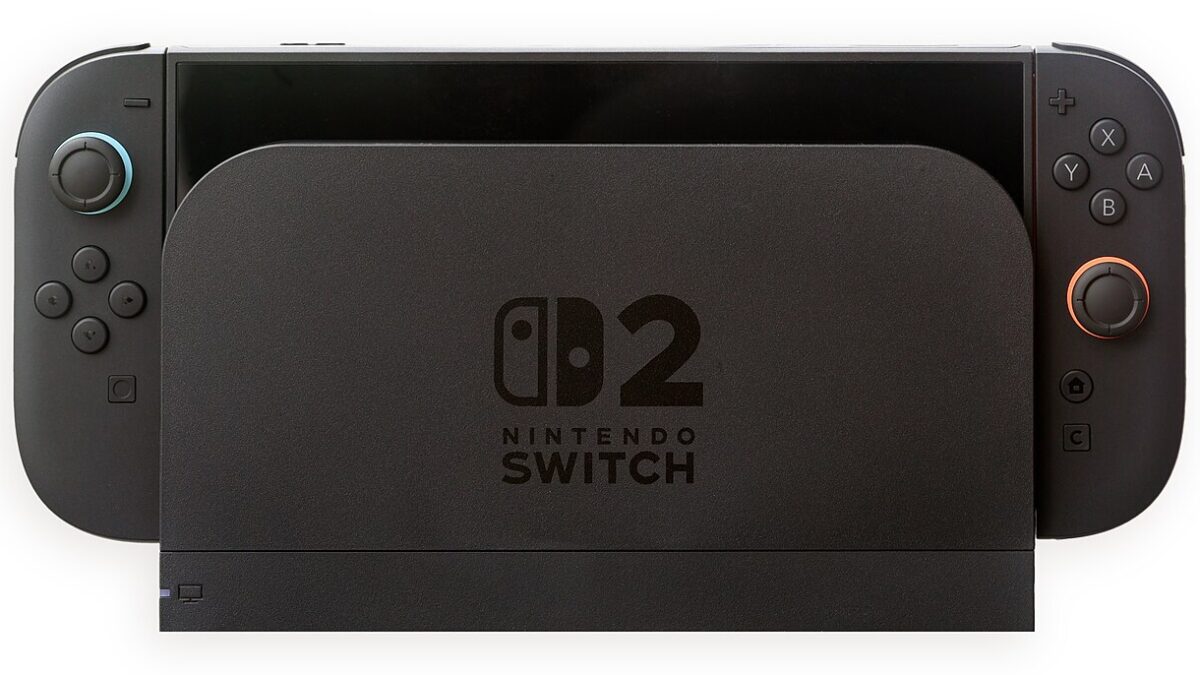
Sony spent 26 years building the PlayStation into the default console. Nintendo just needed one fiscal year with a $450 hybrid to outsell PS5’s entire launch-year run — and the gap wasn’t even close.
Nintendo’s fiscal 2026 results, closed out at the end of March, put Switch 2 at 19.86 million units sold worldwide in roughly nine months on shelves. PS5’s first full year, back in 2020-2021, landed around 15 million. That’s not a rounding error — it’s several million consoles of daylight, and it came during a stretch when GPU shortages and tariff-driven price hikes were making every other electronics category more expensive, not less.
The Actual Numbers: How Switch 2 Outsold PS5’s First Year
Here’s where the “outsold” claim gets specific instead of vibes-based. Nintendo’s own fiscal year 2026 report (period ending March 31) confirmed 19.86 million Switch 2 units shipped — beating the company’s internal forecast of 19 million. Zoom into just the January–March 2026 quarter and Switch 2 moved 2.49 million units, which put it about 1 million units ahead of PS5 over that same three-month window, according to hardware-tracking data cited by Tech Times.
PS5 isn’t struggling in absolute terms — Sony’s console has shipped roughly 93.6 million units lifetime, still the bigger machine by a wide margin once you count every year since 2020. But “lifetime” and “first year” are different races, and first year is the one that predicts whether a console has real momentum or just a good launch week.

Nintendo Just Had the Fastest Hardware Launch Ever
Switch 2 sold 3.5 million units in its first four days on sale — the biggest hardware debut in Nintendo’s history, full stop, bigger than the original Switch, bigger than the Wii. Market research firm Niko Partners went further and called it the fastest-selling game console of all time, across any manufacturer. In the US specifically, Circana (which has tracked hardware sales since 1995) logged Switch 2 at 5.9 million units in its first 12 months — the second-fastest launch year it has on record.
None of that happens by accident, and it didn’t happen because Switch 2 undercut the competition on price. At $449.99, it launched more expensive than the original Switch and roughly in PS5’s price bracket. People paid up anyway.
The Real Reason: Nobody Buys a Switch 2 and Just Lets It Sit There
This is the stat that actually explains the sales chart, and it’s not the console — it’s the games. Switch 2’s software attach rate is sitting near 2.5 games sold per console, which is an unusually high number for hardware barely a year old. Mario Kart World, the system’s pack-in flagship, has sold 14.70 million copies — meaning it’s attached to roughly three out of every four Switch 2s sold. That’s not a launch bump. That’s a system where the killer app shipped on day one and actually delivered.
Compare that to how most console generations play out: strong hardware, thin launch lineup, attach rate that only catches up a year or two later once the library fills in. Nintendo skipped that awkward middle phase entirely.
Meanwhile, PS5 Is Cooling Off
The Switch 2 comparison lands harder because of what’s happening on the other side of it. Reporting on Sony’s May 2026 hardware numbers put PS5 at its slowest May in 26 years of console tracking — meaning Sony isn’t just losing a head-to-head sales quarter to Nintendo, it’s doing so during a genuinely soft stretch for its own hardware. PS5 is five years into its life cycle at this point, which is normally when a console’s month-to-month numbers settle into a long, slow decline anyway. But “slow decline” landing in the exact same window as “Nintendo’s fastest launch ever” is why the comparison went viral instead of staying a footnote in an earnings call.
Xbox, for what it’s worth, isn’t really part of this conversation anymore. Microsoft has spent the past year leaning harder into Xbox as a software-and-subscription business than a hardware race, which leaves this specifically as a two-horse story — and right now, one of those horses is pulling away.
The Switch Family Has Done This Before
Here’s the tangent worth sitting with: the original Switch, by the time Nintendo tallied it in the same May 2026 earnings report, had sold 155.92 million units over its full lifetime. That’s not just a hit — it’s one of the best-selling consoles in history, built on a “hybrid” bet that Sony and Microsoft spent years dismissing as a compromise device. Switch 2 isn’t an experiment riding on nostalgia; it’s Nintendo running the exact playbook that already worked once, with a more powerful chip and an install base of Switch owners primed to upgrade.
If you’ve been wondering whether a GTA 6 Switch 2 port faces real hurdles given the hardware gap with PS5 and Xbox, the sales numbers here are part of why publishers keep asking the question anyway — an installed base this size is very hard to ignore, even for a game built around PS5-class horsepower.
The Twist: Nintendo’s Own Forecast for Next Year Is Down
Here’s the part that undercuts the easy “Nintendo won, story over” narrative. Despite blowing past its FY2026 target, Nintendo’s guidance for fiscal year 2027 actually projects lower Switch 2 unit sales than the year that just ended. That’s not a crisis signal — it’s the normal shape of a console’s second year, once the launch rush and supply catch-up settle into a steadier replacement cycle. But it’s a reminder that “fastest-selling console ever” and “sales will keep accelerating forever” are two very different claims, and Nintendo itself isn’t making the second one.
It also lines up with a broader pattern in handheld gaming right now — the same appetite for portable, hybrid hardware that’s fueling the handheld gaming boom across the industry, and part of why Steam Deck’s price hike landed as badly as it did with PC gamers who suddenly have a very credible alternative sitting on store shelves at a lower price.
The headline number — outselling PS5’s entire first year — is real and it’s striking. But the more interesting story is underneath it: a console that shipped with a game people actually wanted, at a price people were willing to pay, arriving at the exact moment portable hardware became cool again. Whether Nintendo can keep that pace through a second year with a thinner release calendar is the actual question worth watching, not the scoreboard from year one.
Deixe um comentário