For years, handheld gaming was treated as a side dish to the “real” console under the TV. Portables were where you played the spin-offs, the ports, the smaller stuff — the main event happened in the living room. In 2026, that framing finally looks wrong — and the sales numbers prove it.
This is an opinion piece, so let’s put the thesis up front: the handheld is no longer gaming’s second screen. It’s becoming the first one. The industry’s biggest players have already adjusted their strategies accordingly, even if the broader conversation hasn’t quite caught up.
The case is now hard to argue with
Nintendo’s Switch 2 has outsold the PS5 in under a year. Read that sentence again: a portable-first hybrid, launched at around $450, is moving faster than the flagship living-room console from one of the biggest names in the business. Valve’s Steam Deck turned portable PC gaming from a curiosity into a category, and the ROG Xbox Ally pushed Windows handhelds into the mainstream with Microsoft’s branding right on the box.
The most exciting hardware conversations of the year are happening about devices you hold, not ones you plug into a wall. And every major platform holder now has a horse in this race:
- Nintendo bet its entire strategy on hybrid portability, and the original Switch family sold over 150 million units to validate it before the Switch 2 even arrived.
- Valve proved that PC gamers would happily take their libraries off the desk, then doubled down with an OLED refresh at around $550.
- Microsoft put the Xbox name on ASUS hardware rather than concede the portable space to everyone else.
- Sony remains the most cautious of the group, yet its PlayStation Portal streaming handheld — a roughly $200 accessory — kept selling out anyway. That tells you where demand sits.
We’ve been here before — sort of
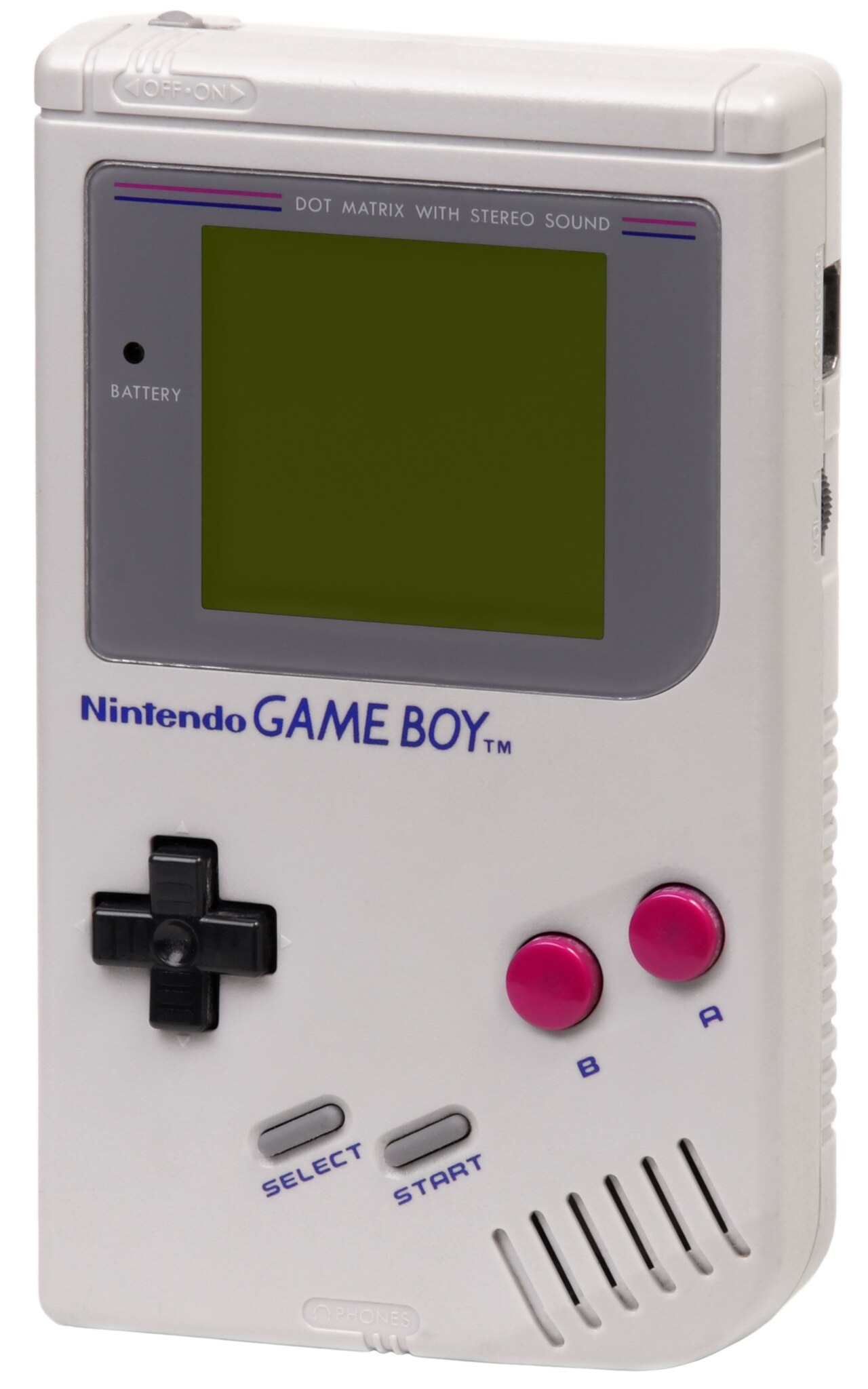
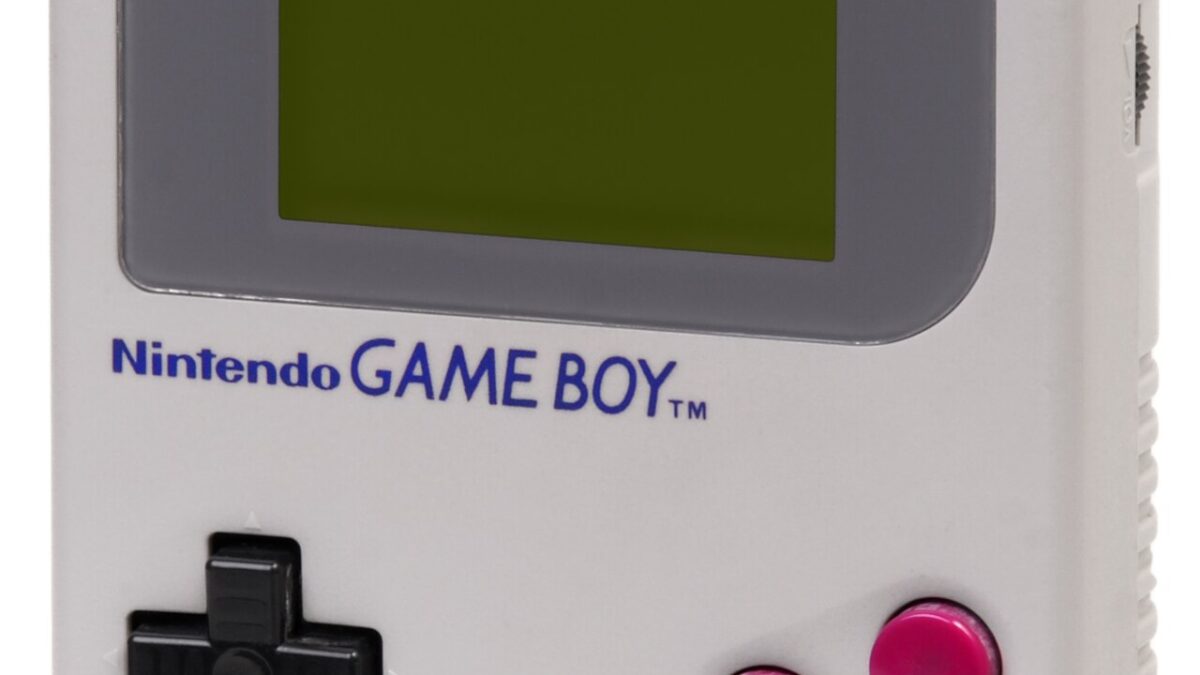
Handhelds selling well is not a new phenomenon. The original Game Boy launched in 1989 and went on to sell well over 100 million units. The Nintendo DS family topped 150 million, making it one of the best-selling gaming devices in history. By raw unit counts, portables have been quietly outperforming home consoles for decades.
So why does 2026 feel different? Because the software gap finally closed. A Game Boy played Tetris while the home console played sprawling epics — two different worlds with two different libraries. A Steam Deck plays the same Elden Ring and the same Baldur’s Gate 3 as your desktop tower. The modern handheld is not a separate, lesser platform anymore. It’s the same platform in a different shape, and that changes the entire calculus of what you’re giving up by going portable: almost nothing.
Why it’s happening now
Play patterns changed. People want to start a game on the couch, finish it in bed, and pause it in thirty seconds. The average gamer is older now, with a job, a family, and a schedule that rarely hands them an uninterrupted three-hour block in front of a TV. A device built around interrupted, resumable play wins by default.
Chips got efficient enough to make that possible without a brick of a battery. Modern mobile processors deliver performance that would have required a mid-tower desktop a decade ago, inside a thermal budget that fits behind a 7-inch screen. And the “good enough” bar for graphics is now high enough that portable visuals no longer feel like a compromise — especially on a small display, where a lower rendering resolution is far less noticeable than it would be on a 65-inch panel.
Three quiet enablers nobody gives enough credit
- Upscaling technology. Techniques like FSR let handhelds render internally at a lower resolution and reconstruct a sharp image, effectively giving small devices free performance headroom.
- Instant suspend and resume. The Switch normalized picking up a session in seconds, and now every handheld is expected to do the same. That single feature reshaped how people fit games into their day.
- Docking. Plug the same device into a TV or monitor and it becomes the living-room box. The question stopped being “handheld or console?” and became “why not both in one purchase?”
The money tells the same story
Price is doing a lot of quiet work in this shift. A Steam Deck starts at around $400, the Switch 2 sits at around $450, and even premium Windows handhelds like the ROG Xbox Ally line run roughly $600 to $1,000. Meanwhile, building a comparable gaming PC often means spending more than an entire handheld on the graphics card alone.
For budget-minded buyers, the entry point keeps dropping. There are genuinely capable options well under the flagship tier — we rounded up the best handheld gaming consoles under $400 if you want to see how far that money goes in 2026. When the cheapest way into modern gaming is portable, the market outcome stops being surprising.
The honest counterpoint
Let’s not pretend the argument is one-sided. Handhelds still trade away raw power and battery life, and a 7-inch screen will never match a living-room OLED for a cinematic single-player epic. For the highest-fidelity experiences, the big box still wins.
The battery problem is real: demanding games can drain a handheld in a couple of hours, which makes a long flight a planning exercise. Windows handhelds still carry desktop-OS friction — updates, drivers, and launchers that were never designed for a controller. And ergonomics matter more than spec sheets admit: holding a device for hours is a different physical experience than resting a controller in your lap.
If your gaming life is a 4K TV, a premium sound system, and long weekend sessions, nothing portable will replace that setup in 2026. It doesn’t have to.
But that’s not where the market is moving
The growth, the buzz, and increasingly the best-selling hardware are portable. Developers now treat handheld performance as a launch-day target rather than an afterthought, and a “runs great on Steam Deck” badge has become a genuine purchase signal. Look at the biggest games still coming in 2026 and notice how many are being marketed with portable play in mind — that would have been unthinkable five years ago.
2026 isn’t the year handhelds replaced consoles. It’s the year they stopped being the smaller story.
Quick FAQ
Did handhelds really outsell home consoles in 2026?
The clearest data point is the Switch 2 outselling the PS5 in under a year on the market. Add Steam Deck and Windows handheld sales on top, and portable hardware is the fastest-growing segment of dedicated gaming devices.
Is a handheld worth it if I already own a console?
If you regularly lose TV access to family or roommates, or you travel, yes — a handheld converts dead time into play time. If you exclusively game in long sessions at home, your money is better spent elsewhere.
What’s the best entry point right now?
For most people, a Steam Deck remains the safest pick thanks to its price and massive library — our Steam Deck OLED review covers why it still leads in 2026. If your budget is tighter, the under-$400 roundup above has solid alternatives.
Deixe um comentário