
Most people buying a new range or microwave in 2026 aren’t shopping for “AI.” They’re shopping for a machine that stops burning the garlic bread. That’s the honest starting point for this guide: the useful ai kitchen appliances 2026 buyers actually want solve one specific, annoying problem each — they don’t need to think for you, they need to stop you from ruining dinner while you’re doing three other things.
Samsung just gave the category another push. On July 15, the company launched new Bespoke Slide-in Ranges (electric and gas) alongside an Over-the-Range Microwave — part of the same Samsung Bespoke AI oven lineup that includes its camera-equipped, food-recognizing wall ovens — built around what it calls Air Fry Max — a no-preheat air-fry mode Samsung says runs about 15% faster than the previous generation, paired with True Convection and an Air Sous Vide setting. Both appliances connect through SmartThings, and a feature called Auto Connectivity — detailed in Samsung’s launch announcement — means turning on the cooktop automatically fires up the microwave’s vent fan and light above it. It’s a small detail, but it’s the kind of thing that tells you where this category is actually heading: not “smarter” appliances in isolation, but appliances that talk to each other.
What AI Kitchen Appliances in 2026 Actually Do
Strip away the marketing and there are really four things being sold under the AI label on today’s connected kitchen appliances, and they are not equally mature.
Food recognition. A camera inside the oven or air fryer identifies what you put in and suggests — or auto-sets — a cook mode and time. This is the feature that’s improved the most. Consumer Reports’ 2026 appliance testing found AI-guided cooking cut failed attempts by roughly 40% compared to conventional ovens, and food-ID accuracy on models like June’s countertop oven has been benchmarked around 87% in independent kitchen testing. Three years ago this was a novelty that guessed wrong constantly; today it’s closer to reliable.
Remote monitoring. A phone notification when the roast hits temperature, a live camera feed so you can check the oven from your desk, the ability to preheat on your commute home. Across buying guides and owner reports, this is consistently the single feature people say actually changes their routine — more than the food recognition itself.
Recipe and meal guidance. Samsung’s SmartThings Food layer acts as an AI cooking assistant inside the broader SmartThings kitchen app, while LG’s ThinQ recipe integration and similar tools from GE and Whirlpool suggest meals based on what’s in the fridge or push step-by-step guided cook settings to the oven. Useful when the ecosystem is fully built out; largely decorative if you’ve only bought one connected appliance.
Energy tracking. This is where brands genuinely diverge. GE’s SmartHQ platform reports cycle-level and monthly energy use with specific eco-mode recommendations. LG layers on practical tips — switching a wash cycle to cold, for instance, can cut that cycle’s energy use by around 40% — and its AI DD appliances log water use alongside power draw. Whirlpool’s connected app, by contrast, mostly reports cycle counts and rough estimates rather than real kWh figures on most current models.
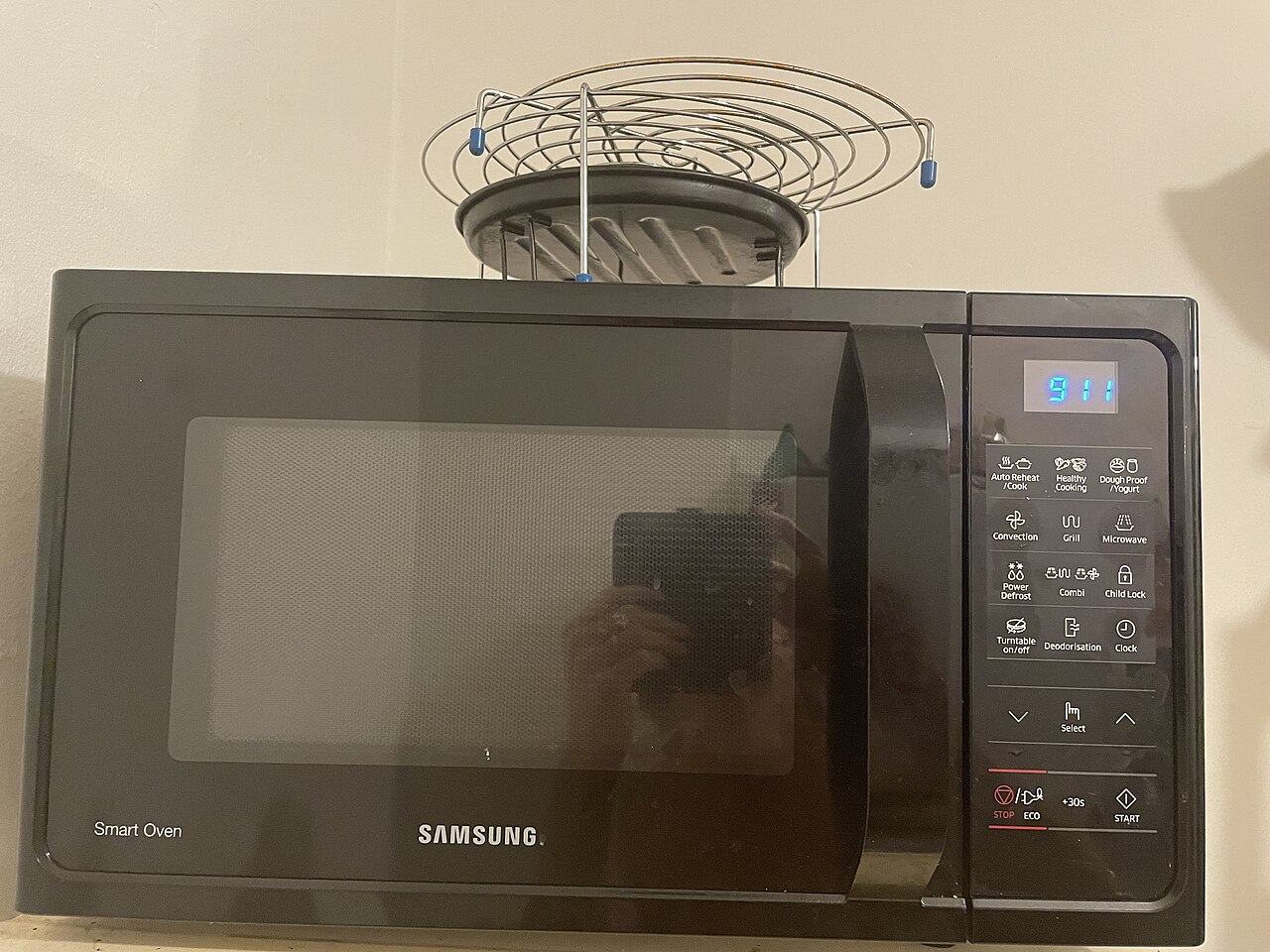
AI Kitchen Appliance Features: Which Are Genuinely Useful in 2026 — and Which Are Gimmicks
Buying guides love to list every connected feature as a win. It isn’t. Based on what independent testing and real owner feedback converge on, here’s the honest split.
Worth paying for: onboard food recognition on ovens and air fryers (measurably fewer burnt dinners), remote notifications and camera check-ins (the feature people actually use daily), and brand-level energy tracking if your utility bills already bother you. Auto Connectivity-style tricks — like a range automatically triggering its own microwave’s vent fan — are minor, but they’re the kind of small friction removal that adds up over years of daily cooking.
Still closer to gimmick: voice control for anything beyond basic on/off/timer commands, meal-kit integration if you’re not already using a meal-kit service, and any “AI chef” feature that requires you to photograph your ingredients manually rather than the appliance sensing them itself. The industry itself seems to agree the category “crossed the line from gimmick to genuine utility” only recently — which is another way of saying a meaningful chunk of what shipped even two years ago wasn’t there yet.
What to check before you buy an AI-connected appliance
A few questions matter more than the spec sheet — especially once you’re comparing connected kitchen appliances across more than one brand.
Which ecosystem does it lock you into? SmartThings, LG ThinQ, GE SmartHQ, and the Whirlpool app don’t talk to each other cleanly. Mixing brands across your kitchen means juggling multiple apps with no shared automation — pick one ecosystem deliberately rather than buying the best deal on each appliance separately.
Does your Wi-Fi actually reach the kitchen reliably? A smart range with weak Wi-Fi is just a range that occasionally shows an error icon. If you’re already frustrated by dead zones, that’s worth solving before you spend on connected hardware — our guide to building a smart home on a budget covers the router and mesh basics that make everything downstream — kitchen included — actually reliable.
Is the “smart” feature solving a real problem you have, or one the ad copy invented? If you already burn toast under the broiler weekly, food-recognition ovens pay for themselves in saved groceries alone. If you just like the idea of texting your oven, that’s a much weaker case for the premium.
It’s also worth remembering that a genuinely smart kitchen doesn’t stop at the appliances themselves — a lot of what makes a connected home feel effortless (or frustrating) comes down to the network and hub choices underneath it. If your existing smart devices already lag or drop connection, it’s worth reading up on why some smart home setups feel sluggish before adding three more connected appliances to the same overloaded router.
Pro tip: buy the sensor, not the subscription
The single most useful upgrade path in 2026 isn’t necessarily a full range replacement. If your current oven still works, a standalone AI-camera insert or a connected probe thermometer gets you most of the “stop burning dinner” benefit without a four-figure appliance purchase. Save the full connected range or microwave upgrade for when your current unit actually needs replacing — that’s also when features like Air Fry Max and true multi-appliance Auto Connectivity become a genuine reason to choose one brand’s ecosystem over another, rather than a nice-to-have bolted onto a working appliance.
If precise, hands-off cooking is really what you’re after, it’s also worth looking beyond the oven entirely — our breakdown of smart sous vide cookers covers a category that’s been “AI-adjacent” and genuinely precise for longer than most ovens have.
FAQ
Do I need a fully connected kitchen for AI cooking features to be useful?
No. Food recognition and remote monitoring work appliance-by-appliance. The multi-device tricks — like Auto Connectivity between a range and microwave — need matching hardware, but a single AI oven or air fryer still delivers most of the everyday benefit on its own.
Which brand’s smart kitchen ecosystem is most mature right now?
Samsung’s SmartThings and LG’s ThinQ currently offer the broadest connected kitchen appliance lineups with the most third-party device support. GE’s SmartHQ leads specifically on detailed energy-use reporting. Whirlpool’s ecosystem is expanding quickly but still trails the other three on data depth.
Will a smart range with Wi-Fi actually lower my energy bill?
Only if you act on what it tells you. The tracking itself doesn’t save energy — switching a cycle, adjusting a habit, or catching a stuck-on element before it wastes hours of power is where the savings actually come from.
Is an air fry microwave worth it over a separate air fryer?
If counter space is tight, yes — an over-the-range unit with a mode like Air Fry Max reclaims counter space a standalone air fryer would otherwise take up. If you air fry daily and want the fastest possible cycle, a dedicated countertop unit is still typically quicker to preheat and load.
The realistic takeaway for 2026: AI in the kitchen has quietly gone from marketing buzzword to a short list of features that measurably reduce burnt dinners and wasted energy — food recognition, remote monitoring, and brand-specific energy tracking chief among them. Everything else on the spec sheet is worth trying, but not worth chasing. Pick the ecosystem that matches the smart home you already have, buy the upgrade that solves a problem you actually experience, and let the rest of the “AI” branding stay exactly what it is — a bonus, not the reason to buy.
Deixe um comentário