FSR 4.1 upscaling is now live on Radeon RX 7000 GPUs. AMD shipped it June 22 in the Adrenalin 26.6.2 WHQL driver — ahead of the July window on its own roadmap — and it works in more than 300 games that already support FSR 3.1, no game patches required.
Now the part most headlines skipped: this update does not make your games run faster. Tested like for like, FSR 4.1 is roughly 7 to 9 percent slower than FSR 3.1 in the same quality mode. What RX 7000 owners actually get is a visibly cleaner image — and, used correctly, a path to more frames anyway. Both things are true, and the difference matters before you flip the toggle.
What shipped, and which cards get it
The port covers the upscaling component only. FSR 4’s Frame Generation remains exclusive to RDNA 4 (the RX 9000 series); RX 7000 cards keep using FSR 3.1 Frame Gen as the fallback, according to DSOGaming. Under the hood, AMD redesigned the machine-learning model to run on INT8 math, because RDNA 3 lacks the native FP8 hardware that the RX 9000 version uses, as Tom’s Hardware detailed.
Every desktop RDNA 3 card qualifies: RX 7900 XTX, 7900 XT, 7900 GRE, 7800 XT, 7700 XT, 7600 XT, and 7600. RDNA 3 laptop and handheld APUs are “coming soon” via lighter ML models, per AMD’s roadmap, and RX 6000 owners are penciled in for early 2027. Modders have already forced it onto unsupported chips through injection tools — TweakTown covered the workaround — but that path is unofficial and unsupported.
FSR 4.1 vs. FSR 3.1: the numbers nobody put in the headline
GameGPU benchmarked an RX 7800 XT at 1440p and found FSR 4.1 Quality averaging 54.6 fps where FSR 3.1 Quality hit 59.0. In Performance mode, the gap was 64.9 versus 71.6 fps. That is the cost of running a neural model on shader cores — Guru3D flatly called it a performance regression on RDNA 3. One consolation: DSOGaming reports the official release runs 3 to 5 fps faster than the leaked INT8 mod that circulated for months.
So why bother? Because the comparison that counts is against native resolution, where FSR 4.1 still delivers about 31 percent more frames in Quality mode and 55 percent in Performance mode. And the image itself is the upgrade: less shimmering, less ghosting, better fine detail. PCGamesHardware’s analysis found the INT8 results “almost imperceptible” from the FP8 version on RX 9000 cards. The practical play is dropping one preset — FSR 4.1 Performance looks close to FSR 3.1 Quality, and that swap is where real fps gains come from.
How to enable it in Adrenalin
Skip 26.6.2 and install Adrenalin 26.6.4 or newer — AMD already patched intermittent FSR 4.1 crashes on RDNA 3 in that release, per OC3D and TweakTown. Then open Adrenalin, go to Gaming > Graphics, select your game’s profile, and switch on the AMD FSR upgrade toggle. Any title with FSR 3.1 support gets the new upscaler through the driver, with no waiting on developers.
Who should actually turn it on
If you play at 1440p or 4K on a mid-range card like the RX 7800 XT, this is close to a free upgrade: same preset for better image quality, or one preset down for more frames at similar visuals. It pairs especially well with high-refresh 1440p displays — our roundup of the best budget gaming monitors under $200 covers exactly the class of screen where that Performance-mode trick shines.
The case for skipping it is narrow: if you are locked into a specific quality mode and refuse to move, you are trading 7 to 9 percent of your framerate for sharper output. Competitive players chasing raw fps at 1080p should stay on FSR 3.1. Everyone else gets something rare — a meaningful improvement on three-year-old hardware, which counts double when new games now cost $80 and stretching your current rig is the sanest budget move in PC gaming.
The RDNA 5 backdrop
AMD’s next architecture, RDNA 5 — possibly rebranded UDNA — is reported for mid-2027 at the earliest, with tape-out on TSMC’s N3P node and some board partners pointing to early 2028, per TweakTown, Igor’s Lab, and OC3D. Treat those dates as leaks, not commitments. Either way, the message to RX 7000 owners is the same: your card has years left on the clock, and AMD just handed it better eyes. Update the driver.
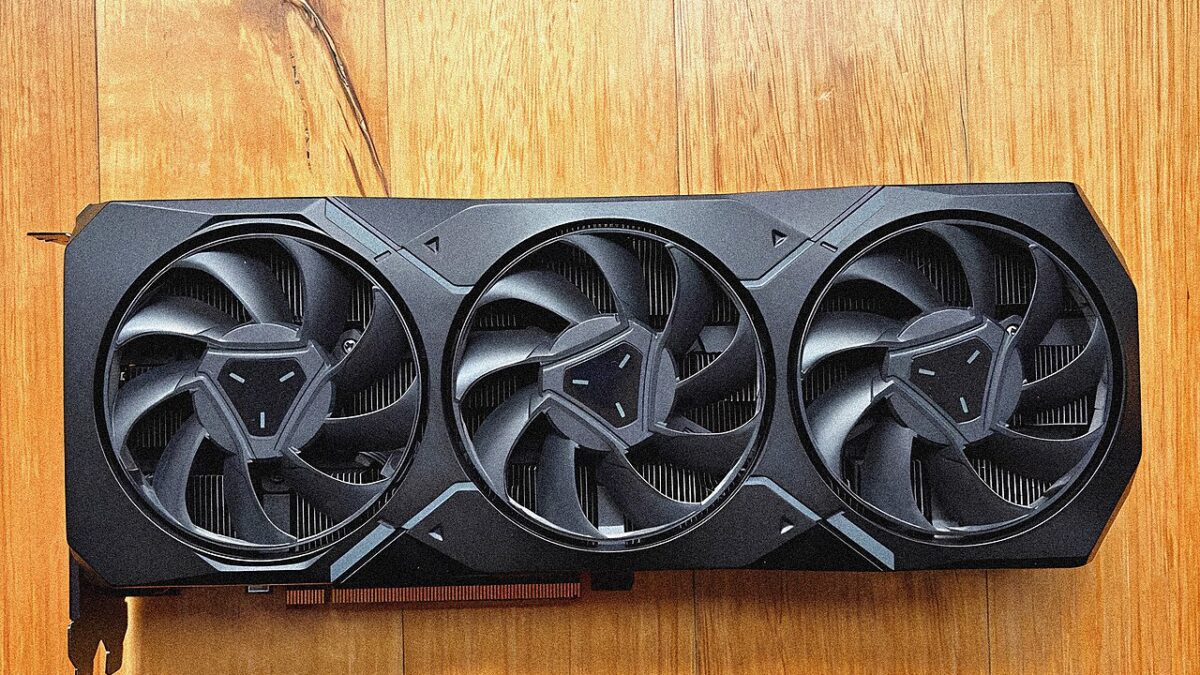
Featured image: Radeon RX 7900 XT by Shinobara, Wikimedia Commons (CC BY 4.0)
Deixe um comentário