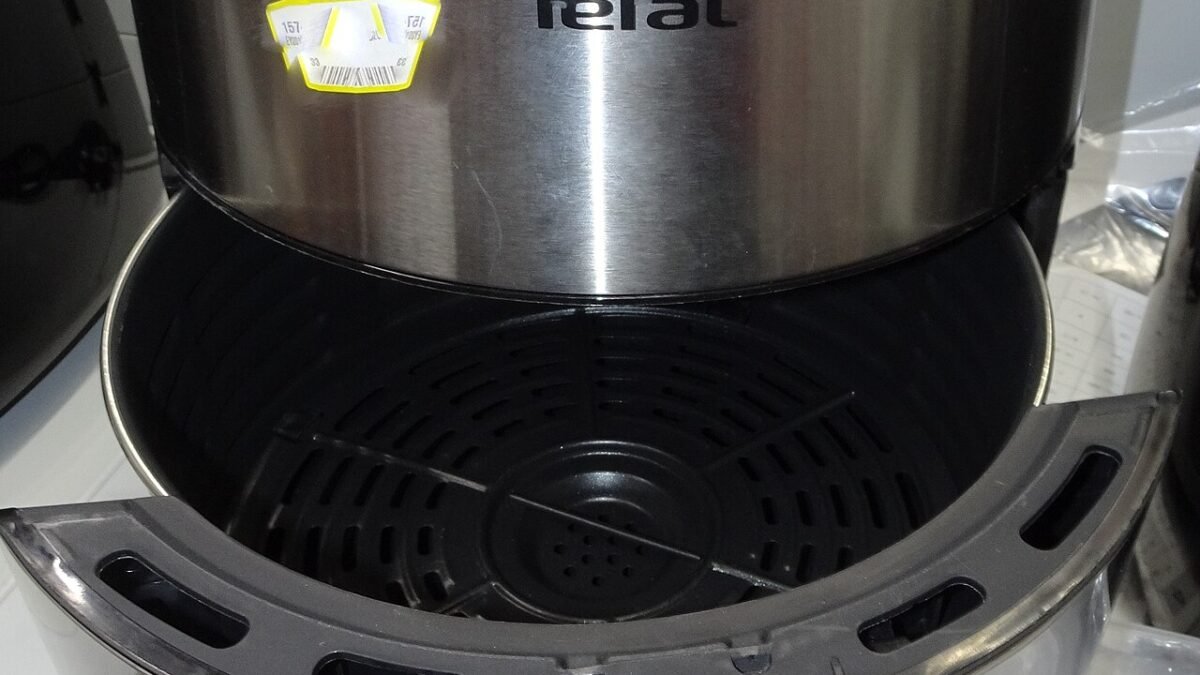
Here’s the mistake almost everyone makes with their first air fryer: they shop for themselves. A single-serving 2-quart basket looks perfect in the store, cooks a personal portion of fries beautifully at home for two weeks — and then the first time you try to feed an actual family dinner, you’re running three batches back-to-back while everyone else’s food goes cold. Two months later it’s in a donation box.
Sizing an air fryer for four people isn’t complicated once you know what to actually look at. It comes down to three things: capacity, basket design, and wattage — in that order of how often people get them wrong.
How Much Capacity a Family of 4 Actually Needs
Ignore the marketing copy that lists a fryer as “family-size” without a quart number attached — that phrase means nothing on its own. What matters is the actual basket volume, and for four people, the real-world range is 5.5 to 10 quarts, depending on what you cook.
A 5.5-quart single-basket unit, like the Instant Vortex Plus, handles a standard weeknight meal — a pound and a half of chicken thighs, a full bag of frozen fries, or a tray of roasted vegetables — in a single batch. Go much smaller than that and you’re back to running multiple rounds. Go bigger, into 8-10 quart territory, and you start unlocking dual-zone designs that change the math entirely.
Single Basket vs. Dual-Zone: When the Premium Is Worth It
This is the decision that actually matters more than raw capacity. A dual-zone air fryer — the Ninja Foodi DZ550 is the category’s best-known example, rated the top overall air fryer by RTINGS in independent testing — splits into two separate baskets that run different temperatures and times simultaneously, then sync to finish together. That means chicken at 400°F in one zone and fries at 380°F in the other, both landing on the table at the same moment, instead of you juggling a timer and a “keep warm” oven setting.
For a family of four eating protein-plus-side most nights, that’s the real value of the $30-50 premium over a single-basket unit — not the extra capacity, but not having to cook in shifts. If your meals are mostly one-component (a full tray of fries, a big batch of wings), a single large basket like the Instant Vortex Plus is simpler to clean and, per America’s Test Kitchen’s testing, holds temperature more precisely — it stayed within 1.5°F of target, the tightest margin of any model they tested.
Wattage and Preheat Time — Where Bigger Gets Slower
Here’s the part most buying guides skip entirely: a bigger basket needs more wattage to heat the same volume of air in the same amount of time, and a lot of budget “family-size” fryers cheap out on the heating element to hit a lower price point. The result is a unit with plenty of room but a sluggish preheat and uneven cooking at the edges of a full basket.
As a rule of thumb, anything in the 5.5-6 quart range should draw 1500W or more; dual-zone 8-10 quart units typically run 1690-1760W combined across both zones. If a listing doesn’t mention wattage at all, treat that as a yellow flag — it usually means the number isn’t flattering.
Pro Tip: Basket Material Changes How Often You’ll Actually Use It
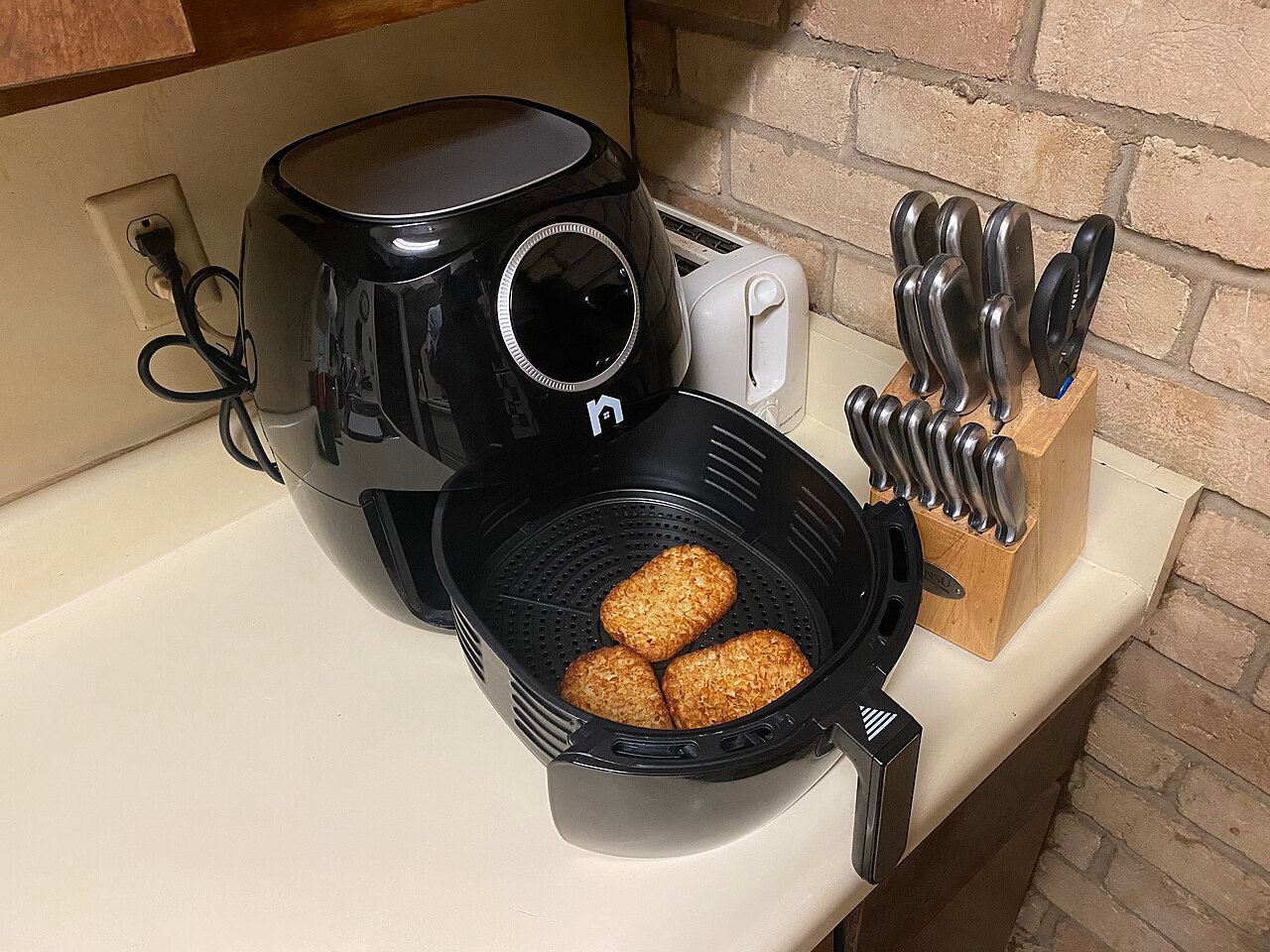
This is the detail that separates a fryer you use three times a week from one that ends up in the cabinet by month two: nonstick ceramic-coated baskets clean up in under a minute with a wipe and a rinse, while mesh or uncoated steel baskets need real scrubbing after anything with sauce or marinade. Cosori’s TurboBlaze line gets consistently praised less for raw power and more for exactly this — quiet operation and a basket that doesn’t turn cleanup into a chore, which matters more to whether you keep reaching for it than any spec sheet number does.
What This Means for Your Kitchen Setup
If you’re already rethinking what shares counter space with a new air fryer, the same logic — actual usage pattern beats spec-sheet capacity — applies across small kitchen appliances. We walked through the same tradeoff for another daily-use gadget in our guide to choosing a home printer, and if you’re outfitting a kitchen or home office at the same time, our back-to-school tech kit roundup covers a few other appliances worth budgeting for together.
Already sold on capacity and basket type and just want names and prices? our roundup of the best air fryers under $150 picks specific models instead of walking through the decision framework — worth a look once you know which size and basket style you’re shopping for.
Ready to compare specific models? 🛒 Check Instant Vortex Plus on Amazon or, if two-zone cooking sounds like the better fit for your dinner routine, 🛒 Check Ninja Foodi DZ550 on Amazon
Frequently Asked Questions
Is a 5.5-quart air fryer big enough for a family of 4?
Yes, for most single-component meals — a full batch of fries, wings, or a couple pounds of chicken. If your typical dinner has two components that need different cook times (protein plus a side that crisps differently), a dual-zone 8-10 quart unit will save you more time than the extra 2-3 quarts of raw capacity would.
Do I need a dual-zone air fryer, or is that just a gimmick?
It’s not a gimmick if you regularly cook two things with different ideal temperatures or times — that’s the exact problem it solves. If you mostly cook one dish per meal, you’re paying a premium for a feature you won’t use; a single large basket will serve you just as well and clean up faster.
Why does my air fryer cook unevenly when the basket is full?
Usually wattage. A basket sized for a family but powered like a smaller unit can’t circulate hot air fast enough to reach every corner evenly, especially with a full load. Check the wattage spec before capacity — a 6-quart basket on a 1500W+ element will out-cook an 8-quart basket on a 1200W element every time.
How often should I replace the basket or coating?
A nonstick ceramic basket used several times a week typically holds up for 1-2 years before the coating visibly degrades; once food starts sticking that didn’t before, it’s time to replace the basket rather than the whole unit — most major brands sell baskets separately.
The short version: match the basket to how you actually cook, not to the biggest number on the box, and check the wattage before you check the capacity. Get that right and an air fryer earns permanent counter space instead of a spot in the donation pile.
Leave a Reply