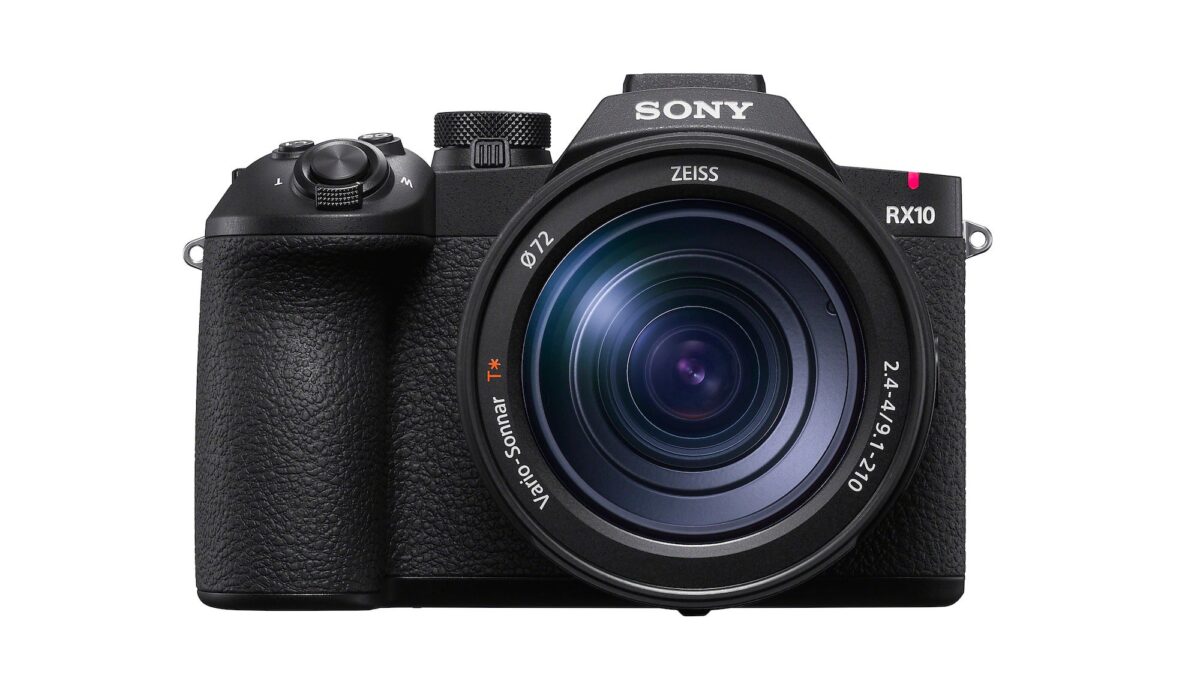
How to Choose a Superzoom Camera in 2026 (Sony RX10 V as the Benchmark)
Most people shopping for a superzoom camera make the same mistake: they compare the zoom numbers on the box and buy whichever one reaches furthest. 3000mm sounds better than 600mm, so the 3000mm camera wins — right? Not necessarily. That number tells you almost nothing about whether the photos will actually look good once you get there.
Sony just gave the category a reason to pay attention again. On July 9, 2026, it announced the RX10 V — the first update to its flagship bridge camera line in nine years — at $2,299.99, shipping from August 2026. It isn’t available to buy yet, and this isn’t a review of a camera we haven’t tested. But its spec sheet is a useful anchor for explaining exactly what separates a genuinely good superzoom camera from one that just wins on paper.
What You’ll Learn
This guide breaks down the handful of specs that actually determine image quality and usability in a bridge camera — sensor size, real optical zoom, autofocus, burst rate, and video — and shows where the RX10 V lands versus its closest rivals. By the end, you’ll know what to check before buying any superzoom, not just this one.
Why Superzoom Cameras Still Exist in the Smartphone Era
The 1-inch-sensor bridge camera category has genuinely shrunk. Sony discontinued the RX10 IV before announcing its replacement; Panasonic quietly dropped the FZ1000 II and the FZ2500. Smartphone computational photography ate the low and mid end of this market — for casual snapshots, a modern flagship phone is good enough for most people.
What a phone still can’t do is optical reach. A 2026 flagship phone tops out around 5x–10x true optical zoom before it starts digitally cropping and upscaling the sensor, which loses real detail. A bridge camera’s 25x–125x zoom is glass, not math — the image quality at full reach doesn’t collapse the way a phone’s “100x zoom” does. That’s the entire reason to own one: wildlife, birding, sports, and travel shots where the subject is simply too far away for any phone lens to reach.
The One Spec That Matters More Than the Zoom Number
Before comparing zoom ranges, check the sensor size — it decides almost everything else about image quality. Superzoom cameras split into two tiers:
- 1-inch sensors (RX10 V, the discontinued RX10 IV and FZ1000 II) — better dynamic range, cleaner high-ISO performance, more background separation.
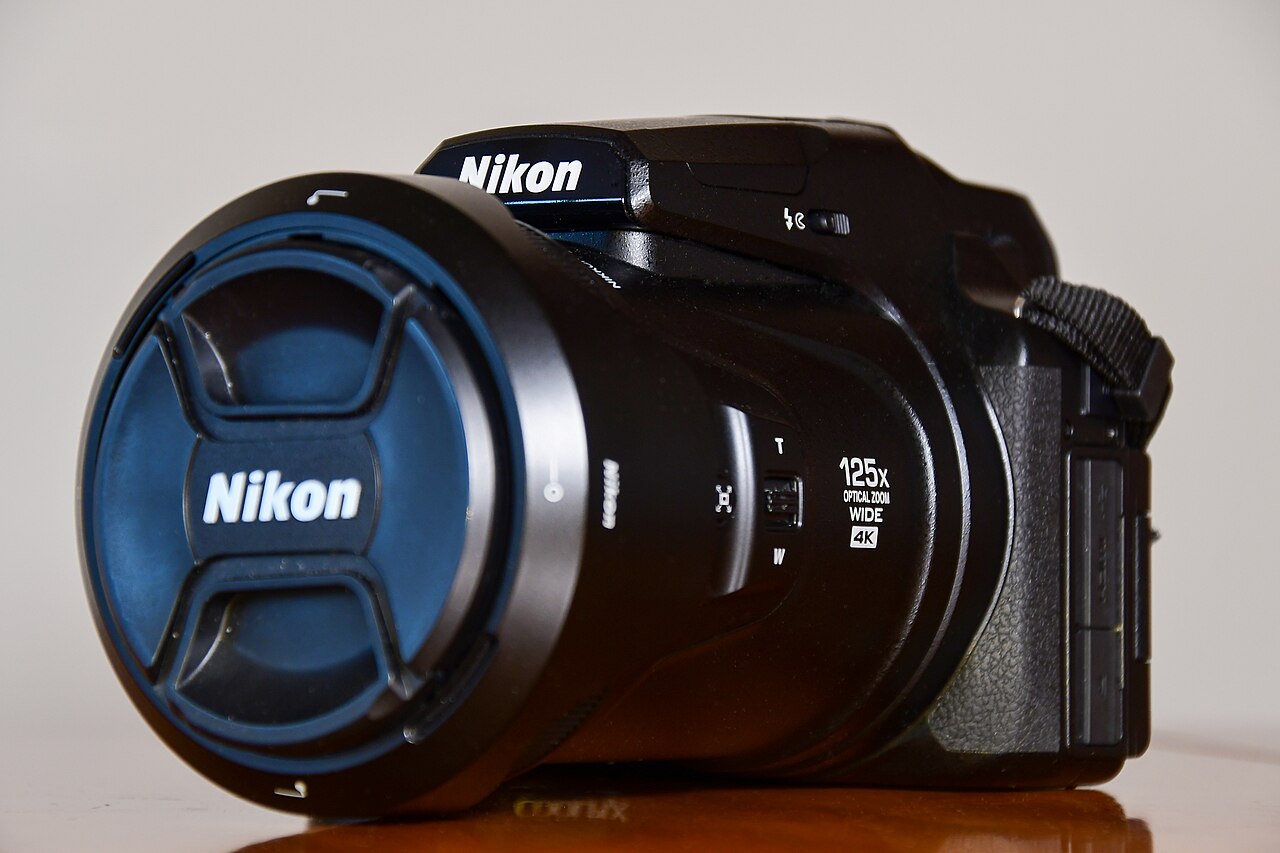
- 1/2.3-inch sensors (Nikon COOLPIX P1100, Panasonic FZ80D/FZ82D, Canon PowerShot SX70 HS) — roughly a quarter of the surface area of a 1-inch sensor, which is why these cameras can advertise 1200mm or 3000mm equivalent zoom at a fraction of the price. More reach, weaker image quality once light gets tricky.
Neither tier is “wrong” — it’s a trade-off. A 1/2.3-inch sensor camera with 3000mm reach is the better tool for a distant bird in bright daylight. A 1-inch sensor camera with “only” 600mm is the better tool for a dim, overcast morning or indoor sports hall.
Meet the New Benchmark: the Sony RX10 V
The RX10 V keeps the same core optics as its 2017 predecessor — a 20.1MP stacked 1-inch sensor and a ZEISS Vario-Sonnar 24-600mm f/2.4-4.0 lens — and rebuilds everything around them. Sony’s argument is that the sensor and lens were never the bottleneck; processing power, autofocus, and video were. The generational leap shows up in three places:
- Autofocus: 575 phase-detection points (up from 315) with AI Real-time Recognition that tracks eyes, faces, and bodies across humans, birds, animals, insects, and vehicles — a meaningful jump for anyone shooting moving wildlife.
- Burst shooting: up to 30fps blackout-free with the electronic shutter, versus 24fps on the outgoing model.
- Video: 4K up to 120p for slow motion, 4K60p 10-bit using the full sensor width, S-Log3 with 16 importable LUTs, and a 3.68-million-dot OLED viewfinder for framing fast action.
At $2,299.99 — about 35% more than the RX10 IV’s 2017 launch price — it’s not a cheap camera, and two omissions sting at that price: no built-in flash, and a rear screen that tilts but doesn’t fully articulate. Worth knowing before you plan around it. It’s slated to ship in August 2026, so treat any “available now” claim you see elsewhere as premature.
Optical Zoom vs. “Digital Zoom” — What the Numbers Actually Mean
When a spec sheet lists a zoom range like “24-3000mm equivalent,” that’s the ratio between the widest and longest focal length the lens itself can physically achieve — real optical zoom, no cropping involved. That’s different from a phone’s advertised “100x zoom,” which is mostly digital: past a short optical range (often 5x or less on the primary telephoto), the phone is cropping into the sensor and using software to reconstruct detail. The RX10 V’s 25x (24-600mm) is entirely optical, the same as its 2017 predecessor. When you compare cameras, always check whether “zoom” in the spec sheet means optical or a combined optical+digital figure — manufacturers don’t always make the distinction obvious.
Autofocus and Burst Rate: Why They Matter More Than You’d Think
A long lens amplifies every autofocus mistake — at 600mm equivalent, a subject that shifts a few inches can leave the frame entirely if the AF system can’t keep up. This is where the price gap between budget and flagship bridge cameras is easiest to justify: budget models typically top out around 10-12fps with basic contrast-detect AF, while the RX10 V’s 575-point AI recognition system and 30fps blackout-free burst are built specifically for erratic subjects — a bird taking off, a kid running across a field, a play developing on the sideline. If wildlife or sports is the actual use case, autofocus sophistication matters more than an extra 500mm of reach.
Portability vs. a Mirrorless Body With a Telephoto Lens
A bridge camera’s real competition isn’t just other bridge cameras — it’s a mirrorless body paired with a long lens. A used Sony A7 IV plus a 50-400mm lens will beat the RX10 V on low-light performance and background blur, because the sensor is physically much larger. But that combo also costs more, weighs more, and means changing lenses (and risking sensor dust) if you also want a wide shot. The RX10 V’s pitch is simplicity: one sealed body, one lens, zero lens changes, at roughly the price of an entry-level full-frame kit — not a small ask, so it only makes sense if you specifically value not carrying a bag of glass.
How the RX10 V Compares to Other Bridge Cameras
| Camera | Sensor | Zoom (equiv.) | Price |
|---|---|---|---|
| Sony RX10 V | 1″ (20.1MP) | 24-600mm f/2.4-4.0 | $2,299.99 (Aug. 2026) |
| Nikon COOLPIX P1100 | 1/2.3″ (16MP) | 24-3000mm f/2.8-8 | ~$1,100 |
| Panasonic Lumix FZ80D/FZ82D | 1/2.3″ | 20-1200mm | ~$400-500 |
| Canon PowerShot SX70 HS | 1/2.3″ | 21-1365mm (65x) | ~$550 |
| Used Sony RX10 IV (predecessor) | 1″ (20.1MP) | 24-600mm f/2.4-4.0 | ~$1,000-1,300 |
The pattern holds across the whole category: the more zoom a spec sheet advertises, the smaller the sensor tends to be. If you want the RX10 V’s exact optics for less money and don’t need the new autofocus or 4K120p, the discontinued RX10 IV on the used market is the closest thing to a budget version of the same camera.
Pro Tip: What Most First-Time Buyers Miss
Read the aperture range, not just the zoom range. A lens listed as “f/2.4-4.0” stays reasonably bright even at full zoom — the RX10 V’s f/4.0 at 600mm is still workable in decent daylight. Many budget superzooms with huge reach numbers narrow to f/6.3 or f/8 at their longest focal length, which forces a much higher ISO (and more visible noise) in anything but bright sun. Two cameras with the same zoom number can behave very differently once the light drops — the aperture range is what tells you which one.
If you’re deciding between a dedicated camera and just using your phone’s zoom for casual shots, our explainer on why phones have multiple cameras covers exactly where phone optics hit their ceiling. And if sensor size is the part that’s still confusing, we go deeper on that exact topic in why megapixels don’t actually determine image quality — the same physics apply to bridge cameras. For a different kind of “reach” gear entirely, our guide to the best webcams in 2026 is worth a look if your camera needs are actually about video calls, not wildlife.
For official specs and pre-order details on the RX10 V specifically, Sony’s own Alpha Universe announcement page has the full breakdown.
Frequently Asked Questions
Is the Sony RX10 V available to buy right now?
No. Sony announced it on July 9, 2026, and pre-orders are open, but it won’t ship until August 2026. Anyone claiming it’s in stock and shippable today is either wrong or selling something else.
Is a bigger zoom number always better in a superzoom camera?
No — check the sensor size first. Cameras that advertise huge zoom ranges (2000mm+) almost always pair that reach with a small 1/2.3-inch sensor, which struggles in low light. A shorter zoom on a larger 1-inch sensor, like the RX10 V’s 600mm, often produces better real-world image quality.
Why didn’t Sony upgrade the RX10 V’s sensor or lens?
Sony says the 20.1MP 1-inch sensor and 24-600mm lens weren’t the limiting factor for this camera’s form factor — autofocus, processing, and video were. That’s a defensible engineering argument, but it’s also a harder sell at a $2,300 price point given how far smartphone sensors have come in the same nine years.
Should I buy a bridge camera or a mirrorless camera with a telephoto lens?
Choose a bridge camera if simplicity matters most — one body, one lens, no lens changes, at a lower total cost than an equivalent mirrorless kit. Choose mirrorless plus a telephoto lens if you need better low-light performance and background separation and don’t mind the extra cost, weight, and lens-swapping.
The Bottom Line
The zoom number on the box is the least useful spec for judging a superzoom camera. Sensor size, aperture range, autofocus sophistication, and burst rate tell you far more about whether the camera will actually deliver in the situations you’re buying it for — a distant bird, a kid’s soccer game, a dim museum hall. The Sony RX10 V won’t be shippable until August, but its spec sheet is a clean illustration of where the real money in this category goes: not into a bigger zoom number, but into everything that makes the existing zoom usable.
Deixe um comentário