Most people buying their first podcasting or streaming microphone make the same mistake: they buy the mic reviewers call “the best,” ignore the room it’s going into, and end up sounding worse than they did on a $30 headset. A great condenser mic in an untreated bedroom picks up every footstep upstairs, the AC kicking on, and your keyboard clicks — and no amount of post-processing fully fixes that. Get the room-to-mic match right first, and the rest of this decision gets a lot simpler.
Here’s what actually matters when you’re picking a USB mic in 2026: the dynamic-vs-condenser call, the polar pattern, whether you need XLR later, and which specs are genuinely worth paying for versus marketing noise. We’ll go through all four.
Dynamic vs. Condenser — the decision that matters more than brand
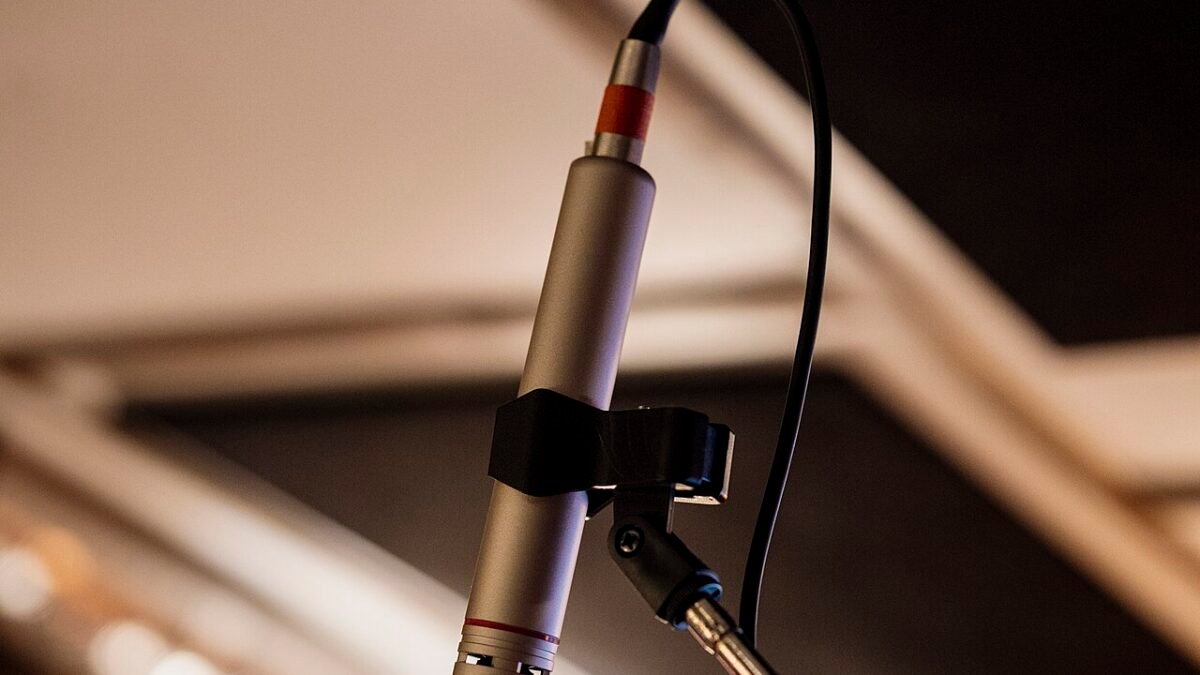
Condenser mics are sensitive. That’s their whole appeal — they capture detail and warmth that dynamic mics can’t, which is why they dominate professional vocal booths and treated studios. It’s also exactly why they’re a bad default for most home setups: a condenser doesn’t just hear your voice, it hears your room, and most bedrooms and home offices are acoustic disasters full of hard walls, windows, and bare desks that bounce sound around.
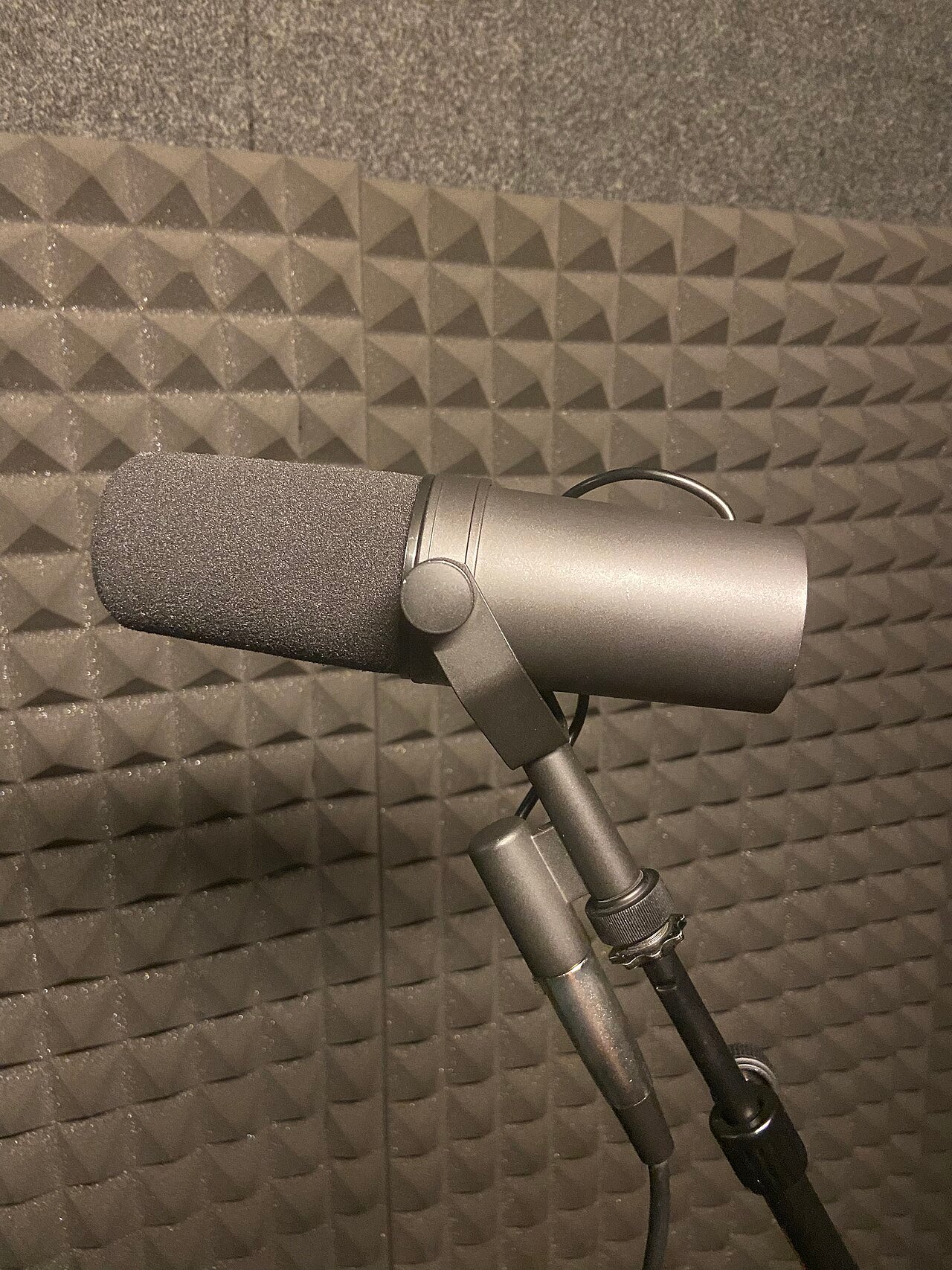
Dynamic mics are the opposite: they need to be close to your mouth to sound good, but they reject almost everything that isn’t right in front of the capsule. If you’re recording in an untreated room — which is most people — a dynamic mic will sound cleaner than a condenser mic that cost twice as much. This is the single biggest factor in how your recordings actually turn out, and it gets skipped in most buying guides in favor of comparing spec sheets.
Polar patterns, explained without the jargon
The polar pattern is just the shape of the area the mic picks up sound from. For solo podcasting or streaming, you want cardioid — it picks up sound from directly in front and rejects most of what’s coming from the sides and rear. This is the pattern doing the heavy lifting in “dynamic mics reject room noise” above; a cardioid dynamic combo is about as forgiving as USB audio gets.
Skip omnidirectional (picks up everything, everywhere — useless for solo recording) and figure-8 (front and back, meant for face-to-face interviews with no other noise) unless you have a specific reason. If a mic’s marketing leads with a switchable polar pattern as a headline feature, that’s usually a condenser aimed at a use case you probably don’t have.
USB vs. XLR vs. hybrid — what you actually need
USB mics plug straight into your computer and just work — no audio interface, no phantom power, no extra cable to buy. That’s the entire pitch, and for most streamers and solo podcasters it’s the right one. XLR mics need an interface or mixer in between, which adds cost and complexity but gives you more control and lets you upgrade your signal chain piece by piece later.
The middle ground — and where the market has actually moved in 2026 — is hybrid USB/XLR mics. You start on USB the day it arrives, and if you ever add a mixer or a second mic for a co-host, you switch the same microphone to XLR instead of replacing it. If you want one mic that just works now and won’t box you in later, the 🛒 Shure MV7+ on Amazon is the current go-to for exactly this reason — dynamic capsule, cardioid pattern, USB-C and XLR on the same unit, with an LED touch panel for gain and mute.
Sample rate, bit depth, and specs that barely matter
Marketing copy loves to lead with 24-bit/96kHz recording. In practice, almost nobody can hear the difference between that and 16-bit/48kHz for spoken-word podcasting or game commentary — those numbers matter far more for music production than for voice. Where a spec like Elgato’s Clipguard (which records a backup low-gain track to save a clip from ruining a take) actually earns its keep is in live streaming, where you can’t just re-record a bad take. If you’re condenser-curious and have an actually treated room, the Elgato Wave 3 is worth a look for that reason specifically — not because of the sample rate on the box.
Pro tip: acoustic treatment beats a better mic, every time
Before you spend $300+ on a microphone, spend $40 on a moving blanket to hang behind you and check whether your room has hard, parallel surfaces facing each other. A $70 dynamic mic in a room with a rug, curtains, and a blanket on the wall will out-record a $300 condenser in a room full of bare drywall and a glass desk. This is the upgrade path nobody wants to hear because it’s not a product you can add to cart in one click, but it’s the one that actually moves the needle.
If you’re setting this up as part of a bigger home office overhaul, our budget-friendly home office setup guide covers the desk, lighting, and cable management side of the same problem. And if you want the mic to be the smart part of a genuinely upgraded desk, we rounded up the best AI-powered desk gadgets worth adding alongside it — or start from scratch with our step-by-step WFH desk setup guide if the mic is just one piece of a bigger rebuild.
Frequently Asked Questions
Do I need an audio interface if I buy a USB microphone?
No — that’s the point of USB. An interface only becomes necessary if you switch to a pure XLR mic or want to run multiple XLR mics into one computer.
Is a hybrid USB/XLR mic worth the extra cost over USB-only?
If you’re confident you’ll never add a second mic or a mixer, a USB-only mic like the Rode PodMic USB saves you money for nearly identical everyday sound. The hybrid premium buys you a future upgrade path, not better audio today.
Does a more expensive microphone always sound better?
Not in an untreated room — see the dynamic-vs-condenser section above. A well-matched cheap mic beats a mismatched expensive one almost every time.
How much does room treatment actually help compared to a better mic?
Enough that audio engineers generally recommend fixing the room before upgrading the mic. Soft, irregular surfaces (blankets, rugs, bookshelves) reduce echo far more cheaply than any microphone upgrade can compensate for.
The honest short version: figure out your room first, buy dynamic and cardioid if that room isn’t treated, and only chase condenser specs once acoustic treatment is already handled. Everything else on the spec sheet is a rounding error next to those two decisions.
Leave a Reply