
Meta shares jumped roughly 9-10% in a single session on a report that the company is quietly building a cloud computing business to rent out its AI datacenter capacity — the same playbook Amazon, Microsoft and Google have used to turn AI infrastructure into a profit center rather than a cost sink. The stock, which had been down nearly 15% year-to-date, rallied to about $619, adding roughly $150 billion in market cap in its sharpest single-day move in over five months.
What’s actually being reported
The report comes from Bloomberg, citing internal deliberations on a unit reportedly nicknamed “Meta Compute.” Meta has not confirmed anything publicly — the company declined to comment when asked — and the reporting itself describes the plans as “early” and something that “could still change.” What’s unresolved even in the sourcing: whether Meta would rent out raw GPU capacity, sell hosted access to its own AI models like Muse Spark, or offer some combination of both.
It’s worth being precise about what kind of story this is: a single sourced report about internal deliberations, not a company announcement. Meta has a long history of building infrastructure for internal use only — its datacenters were never designed as a public product — so a pivot toward external customers would be a genuine strategic shift, not an incremental extension of something Meta already sells. That’s exactly why the market reacted as strongly as it did to an unconfirmed report.
Why this makes sense on paper
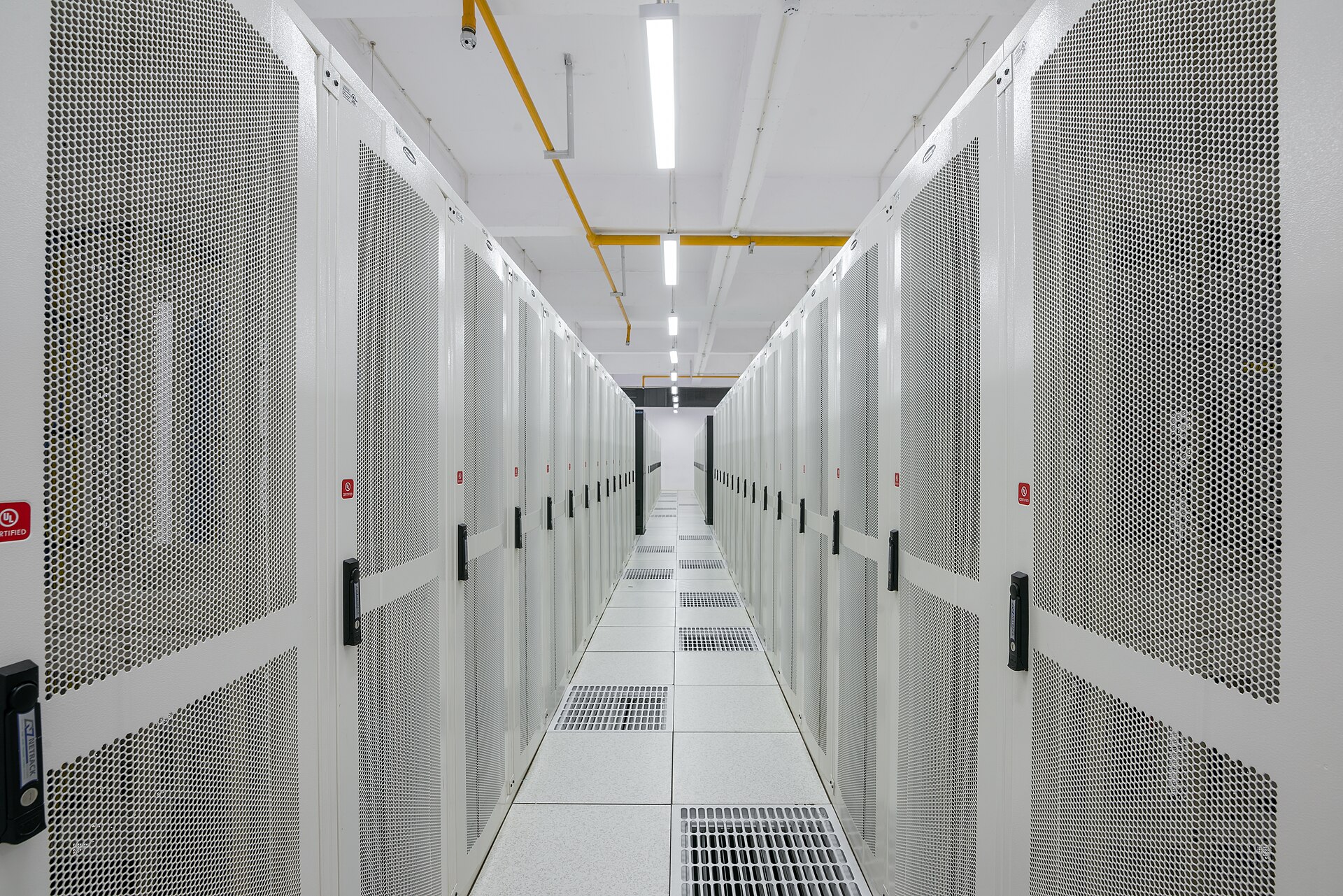
Meta has raised its 2026 capital expenditure guidance to roughly $125-145 billion, up from an earlier $115-135 billion estimate, and up from about $72 billion the year before. That’s an enormous amount of GPU capacity being built for Meta’s own AI products. A cloud business would give Meta a way to monetize whatever capacity sits idle rather than treating the entire buildout as pure overhead — and it would put the company in direct competition with AWS, Azure and Google Cloud in a market analysts estimate at roughly $500 billion. One analyst, Karan Ramchandani of Post Oak Group, called it “a no-brainer” strategically: “Making this as a revenue stream has been part of their roadmap… it seems like a no-brainer to compete in the market, to sell compute power to other B2B players.”
The logic mirrors exactly how Amazon backed into its own cloud business two decades ago: AWS started as internal infrastructure Amazon had already built to run its retail operation, and only later became a product other companies could rent. If Meta is following that same path with its AI datacenters, the capex numbers above stop looking like pure cost and start looking like the down payment on a new revenue line — assuming the company can actually execute on selling infrastructure to outside customers, which is a very different skill set than running ad auctions.
The catch analysts keep flagging
Not everyone reads the rally as unambiguously good news. Cloud and infrastructure-rental businesses run on structurally thinner margins than Meta’s core advertising business, and CNBC reported analysts explicitly warning that Wall Street “has to prepare for lower margins” if this materializes. In other words: the stock move may be pricing in the growth story without fully pricing in what a bigger, lower-margin business line does to Meta’s overall profitability profile. This is reporting on a possible strategic shift, not investment guidance — nobody outside Meta knows yet how this would actually shape the company’s earnings.
There’s also a visible ripple effect worth noting: shares of “neocloud” providers — specialized AI infrastructure companies like CoreWeave and Nebius, whose businesses depend on GPU capacity staying scarce — reportedly dipped on the same news, since a hyperscaler-scale Meta competing for the same customers changes their competitive math.
What’s next
Nothing here is confirmed by Meta itself, so the next real signal will likely come from an earnings call or an official product announcement rather than more anonymously-sourced reporting. If AI infrastructure economics are a topic you’re following closely, we’ve covered a related angle in Meta’s compute-leasing deal with Anthropic, and the broader question of who’s actually winning the AI infrastructure race in our look at Apple and Nvidia’s race for the title of most valuable company.
Sources: Bloomberg, CNBC, Axios, Motley Fool.
Deixe um comentário