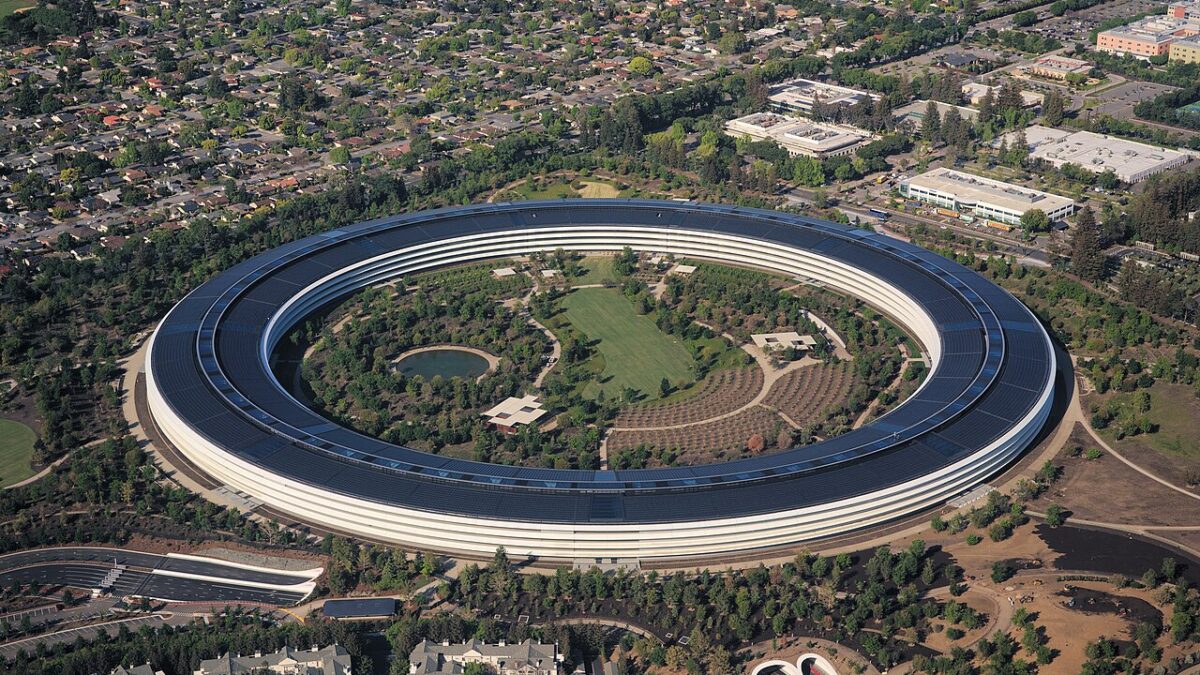
Apple and Nvidia spent Friday trading the title of “world’s most valuable company” back and forth like it was a hot potato — Apple up to $4.91 trillion, Nvidia snapping back to $4.92 trillion, Apple closing at $4.89 trillion. Financial media treated it as a horse race with a photo finish. I’ll say the unpopular part out loud: the number itself tells you almost nothing about which company is actually winning at technology, and treating it as a scoreboard is a habit worth breaking.
What actually happened, briefly
Apple has climbed nearly 23% in 2026, badly outpacing a Nasdaq that’s been anything but flat. Nvidia, by contrast, has managed a comparatively modest 7-9% gain, largely because Wall Street has started rotating out of pure AI-chip exposure and into the “next stage” of the AI buildout — memory, data center infrastructure, the picks-and-shovels layer one step removed from the GPU itself. Nvidia held the #1 market cap spot continuously since June 2025, when it passed Microsoft, and became the first company ever to cross $5 trillion back in October. Apple hadn’t held the top spot since April 2025. So yes, something changed. The question is whether that something is meaningful.
Market cap measures sentiment, not performance
Here’s the part that gets lost every time this story runs: market capitalization is share price times shares outstanding. It’s not revenue, it’s not profit, it’s not units shipped, it’s not even a reliable measure of how much cash the company could raise if it sold everything tomorrow. It’s the market’s collective, constantly-revised guess about future cash flows, discounted back to today — and that guess swings on sentiment as much as on fundamentals. Apple didn’t ship a materially better lineup of products between Thursday and Friday. Nvidia didn’t lose a single GPU order. What moved was investor mood about which company’s *next five years* look better, and investor mood is famously bad at predicting five years out.
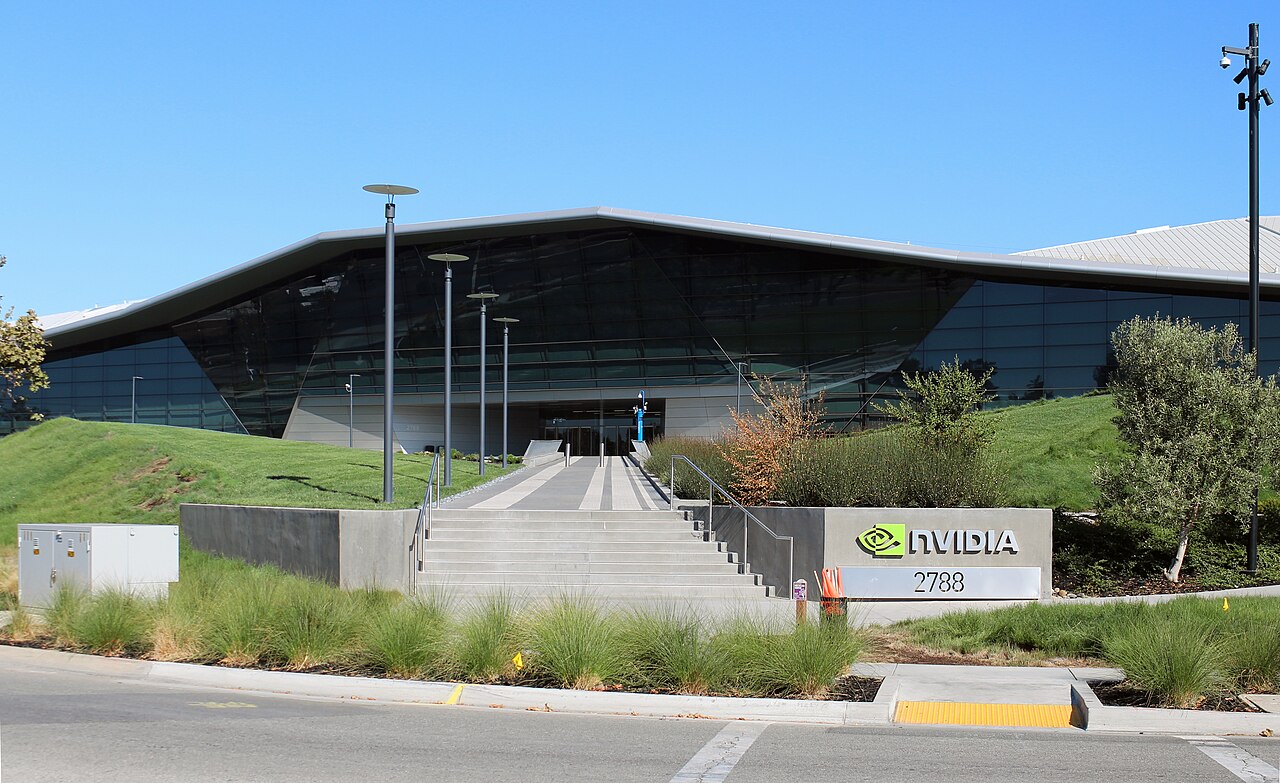
The graveyard of former #1s makes the point better than I can
If market cap leadership meant durable technological dominance, the list of former #1s would read like a list of companies still dominating today. It doesn’t. Exxon Mobil held the crown through most of the 2000s and has been irrelevant to the “who’s winning tech” conversation for over a decade. General Electric was the most valuable company on earth in the late 1990s and spent the 2010s getting broken into pieces. Microsoft has bounced in and out of the top spot for 30 years and its position today has almost nothing to do with where it sat on this particular leaderboard in 2007. Being #1 by market cap has never been a reliable predictor of who’s building the thing that matters five years from now — it’s a snapshot of consensus opinion at 4pm on a Friday, nothing more.
Why Apple specifically, and why now
It’s worth being concrete about what’s actually driving Apple’s 23% run, because “the market likes Apple more” isn’t an explanation. Two things converged: renewed investor confidence that Apple’s AI roadmap — after a rocky couple of years of Siri delays and muted feature launches — is finally shipping something people will pay for, and continued strength in Services revenue, which carries far fatter margins than hardware and doesn’t depend on a single product cycle. Neither of those is really about Nvidia at all. Nvidia’s relative underperformance isn’t Nvidia doing worse — it’s the market deciding the AI trade has moved one layer down the stack, from “who makes the chip” to “who has the data, the distribution, and the balance sheet to build on top of the chip.” That’s a rotation within enthusiasm for AI, not a vote of no confidence in it.
Steelmanning the other side: does it matter at all?
To be fair to the people who do treat this number seriously, there’s a real argument underneath the horse-race coverage. A higher market cap genuinely does lower a company’s cost of capital — it’s easier and cheaper to raise debt or issue stock when investors are confident, which matters for a company about to spend tens of billions on data centers or chip fabs. It also matters for stock-based acquisitions: a company with an inflated, confident valuation can buy smaller companies using stock instead of cash more cheaply. And for employees holding equity compensation, the number is very much not abstract — it’s their retirement account. So the race isn’t *meaningless*. It’s just measuring something narrower and more fragile than “which company is winning at technology,” and financial press coverage almost never makes that distinction.
What would actually tell you who’s winning
If you want signals that predict five years out instead of reacting to the last five days, watch different numbers entirely: R&D spending as a share of revenue, gross margin trends (Nvidia’s are still extraordinary for a hardware company), customer concentration risk (how much of Nvidia’s revenue rides on a handful of hyperscaler contracts), and product roadmap execution — did the thing ship on time, does it work as promised, are developers building on top of it. None of those make for a punchy Friday-afternoon headline. All of them tell you more about 2031 than a $30 billion swing in market cap between lunch and closing bell does.
Nvidia’s actual product story right now is the GPU shortage, not the stock ticker — we broke down why flagship GPUs keep selling out at insane prices if you want the ground-level version of what’s driving investor attention toward the memory and infrastructure layer. And if you want another example of how volatile “market confidence” can look completely disconnected from a company’s actual operations, SpaceX trading below its IPO price despite continuing to launch on schedule is worth the read.
So no, I’m not going to tell you which one is “winning.” I’m going to tell you that the question, framed this way, is the wrong one — and that the next time this headline recycles (it will, probably within a quarter), it’s worth remembering that the scoreboard everyone’s watching measures how the market feels today, not how either company will actually be doing in 2030.
Deixe um comentário