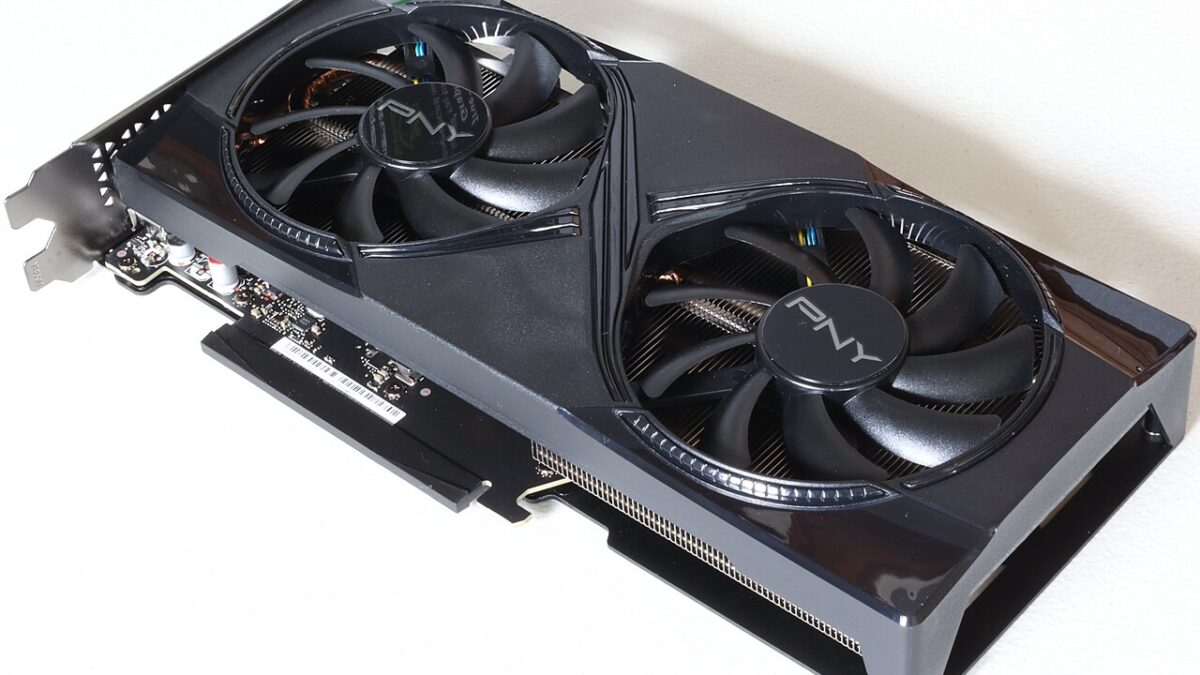
Here’s a number that shouldn’t make sense: the RTX 5090 has an MSRP of $2,000, resells for $4,300 to $5,200, and still sells out in about eight minutes every time a batch hits shelves at the “real” price. If a product is genuinely worth double its sticker price to buyers, why doesn’t Nvidia just charge that and pocket the difference? The answer says more about how modern hardware actually gets made than it does about greed on anyone’s part — and it’s weirder than you’d think.
The MSRP you see was never really the point
When Nvidia drops a “launch” price, that number does two jobs at once: it sets a public benchmark reviewers can compare against, and it signals what the card is worth if supply were normal. It was never a promise that you, personally, could buy one for that price on a Tuesday. Actual MSRP-priced inventory at major retailers is a tiny sliver of total production — sometimes a few hundred units nationwide, gone before most people finish loading the product page. Everyone selling above that number afterward isn’t breaking a rule; they’re just pricing to what the market will actually bear, which turns out to be a lot more than $2,000.
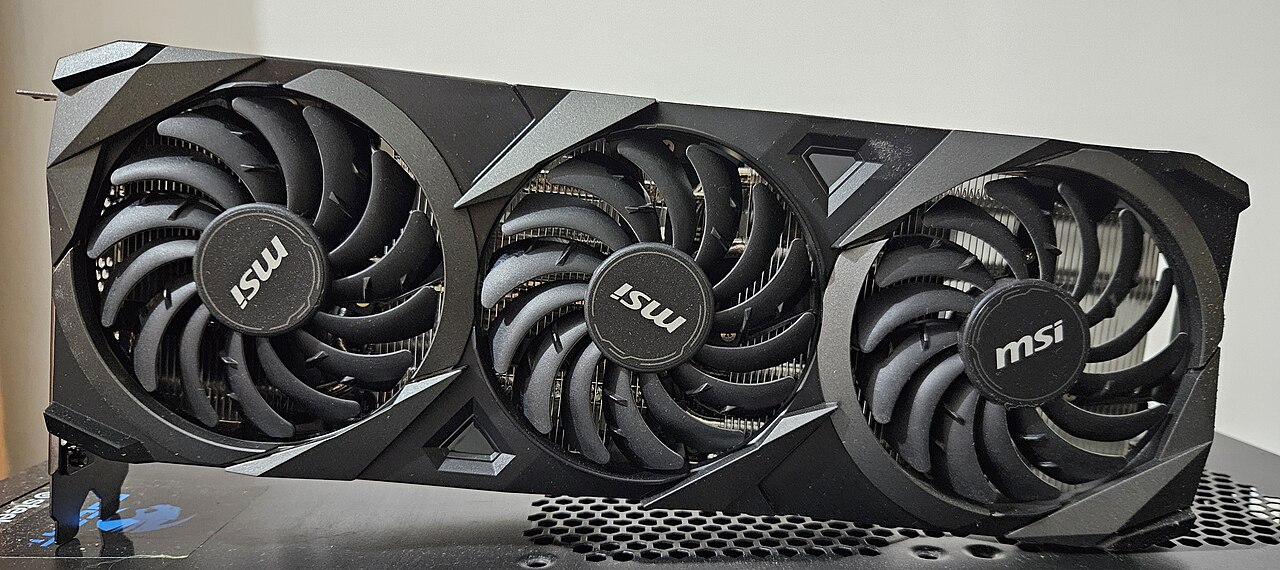
The real bottleneck isn’t silicon — it’s memory
The part of a modern GPU that’s genuinely hard to get right now isn’t the processor die, it’s the memory sitting next to it. AI data centers are buying up GDDR and HBM memory at a pace the three companies that make it — Samsung, SK Hynix, and Micron — simply can’t match with consumer-tier gaming cards too. Every wafer of memory a fab commits to a hyperscaler’s AI accelerator order is a wafer that isn’t going into an RTX 5090. We’ve gone deep on why GDDR memory got so expensive in the first place if you want the full supply-chain breakdown, but the short version is: your gaming GPU is now competing for factory capacity against a data center that will pay almost anything for the same silicon.
That’s the actual reason cards with 16GB or more of memory are scarcest — Nvidia is reportedly prioritizing the industrial and datacenter versions of its chips, where margins are dramatically higher, and consumer cards get whatever capacity is left over.
The bots make a bad situation instant
Even if Nvidia wanted every human buyer to get a fair shot at MSRP stock, they’re not really competing against other humans anymore. Scalping bots monitor retailer inventory APIs in real time and complete checkout in milliseconds — faster than a human can process that the “Add to Cart” button changed color. By the time you’ve clicked, the bot operator already has ten in their cart and you’re staring at “Out of Stock.” Retailers have tried queue systems, CAPTCHA gates, and purchase limits, and bot operators have adapted to all of them within a launch cycle or two. It’s an arms race that consumers are structurally losing, because bots don’t get tired and don’t need coffee.
The counterintuitive part: high resale prices are actually informative
Here’s the twist that makes this more interesting than a simple “scalpers bad” story: resale prices are a surprisingly honest signal of real demand versus real supply, in a way MSRP isn’t. When a $2,000 card consistently resells for $4,500+, that gap is the market telling you exactly how undersupplied the category is — not a moral failing, a data point. Compare that to a card that sells for a few dollars over MSRP on the resale market; that’s a category where supply roughly matches demand. If you’re trying to figure out whether to buy now or wait, our breakdown of the current DRAM squeeze uses exactly this kind of signal to make the call, and it’s worth a read before you decide to chase a card at any price.
Wait — didn’t this already happen once, with crypto miners?
If you were shopping for a GPU in 2021, this whole story probably feels familiar, and it should — but the mechanism underneath it is completely different, which is the part most people miss. Back then, crypto miners were buying up consumer GPUs directly and running them by the rack to mine Ethereum. The fix, when it came, was almost instant: Ethereum moved to proof-of-stake in 2022, mining demand for GPUs evaporated overnight, and prices crashed within months. That shortage had an off-switch.
This one doesn’t. Nobody is buying RTX 5090s to mine anything — the bottleneck this time is upstream, at the memory factories themselves, and it’s being driven by an industry (AI infrastructure) that shows no sign of slowing its memory appetite. There’s no single software update or protocol change that flips demand off. Fabs take two to three years to build from ground-breaking to output, so even if every memory manufacturer greenlit new capacity tomorrow specifically for gaming-tier GDDR, you wouldn’t feel the difference until sometime in 2028. That’s the uncomfortable difference between “temporary shortage” and “structural shortage,” and this one is looking a lot more like the latter.
So does the sellout ever actually end?
Eventually, yes — but not because demand cools off. It ends when supply catches up, and supply only catches up once memory manufacturers either build enough new fab capacity to serve both AI datacenters and gaming cards, or AI demand itself plateaus. Neither is happening on a timeline anyone’s excited about. We covered the market-level version of this story in our look at the RTX 5090’s paper launch, and the honest read is that “sold out in minutes” is likely to stay the default state for flagship GPUs well into next year, not a temporary launch-week phenomenon.
It’s a strange moment for PC hardware: the chips have never been faster, and they’ve also never been harder to actually own at the price printed on the box. If you want the bigger economic picture — why chip stocks themselves have been volatile through all of this — our piece on the chip stock bear market connects the dots between what’s happening on Wall Street and what’s happening (or not happening) on store shelves.
Deixe um comentário