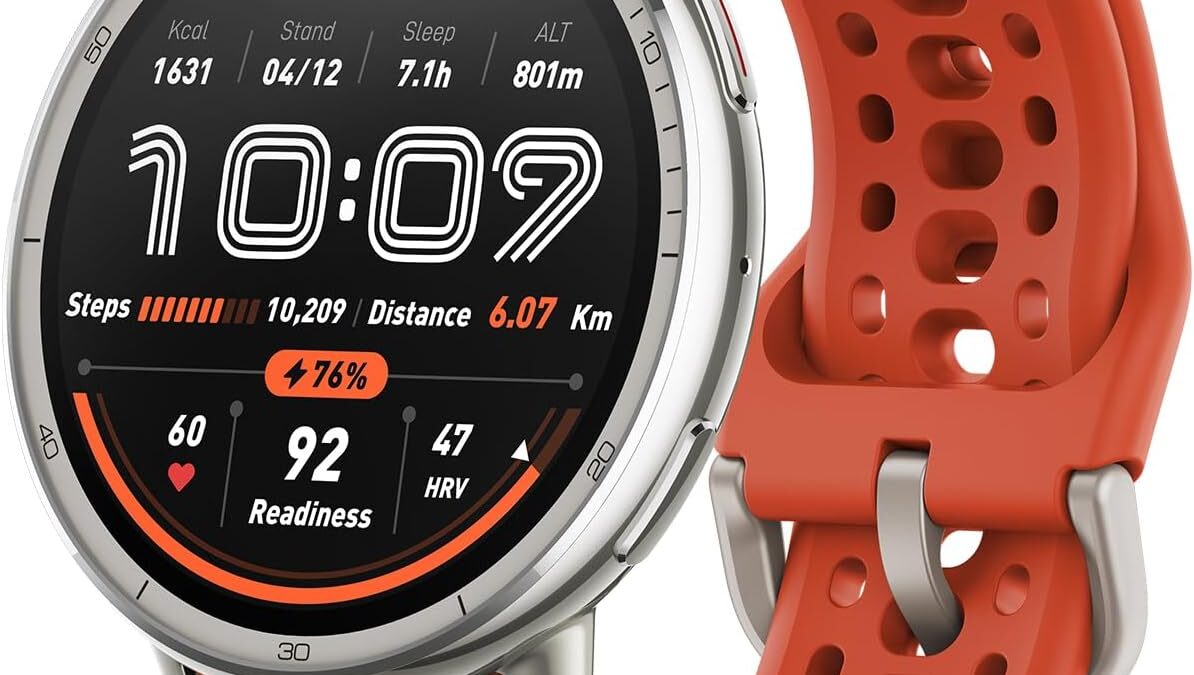
Amazfit Active 2 Sport
$99.99- Offline GPS maps rarely seen under $100
- 10-day battery life on an AMOLED display
- 160+ sport modes including HYROX/strength training
- Companion app pushes premium subscription upsells
- Screen visibility drops in direct sunlight
Bottom line: The Amazfit Active 2 Sport is the best budget smartwatch under $100 in 2026 for anyone who wants real offline GPS mapping without paying premium prices.
You don’t need to spend $400 on an Apple Watch Ultra to know your resting heart rate, track a run, or stop reaching for your phone every time it buzzes. The budget smartwatch category has gotten genuinely good in the last two years — GPS, offline maps, and multi-day battery life used to be premium-only features, and now they show up on watches under $100. We tested five of the best current options to figure out which one to actually buy, and which corners each one cuts to hit that price.
Disclosure: DecodeGear may earn a commission from qualifying purchases made through the Amazon links below, at no extra cost to you.
Quick Verdict
Our Top Pick: Amazfit Active 2 Sport
GPS with offline maps and 160+ sport modes at $99.99 — features that used to be exclusive to $200+ watches, on a 10-day battery.
Score: 8.9/10 | Price: $99.99 | full pick with pros/cons below
| Watch | Price | Best For | Battery |
|---|---|---|---|
| Amazfit Active 2 Sport | $99.99 | Best Overall | 10 days |
| Amazfit Bip 6 | $79.00 | Best Battery Life | 14 days |
| Fitbit Inspire 3 | $93.12 | Best App Ecosystem | 10 days |
| Fire-Boltt Phoenix Pro | $25.00 | Best Ultra-Budget | 7 days |
| Wyze Watch 47mm | $99.98 | Best Health Tracking Variety | ~10 days |
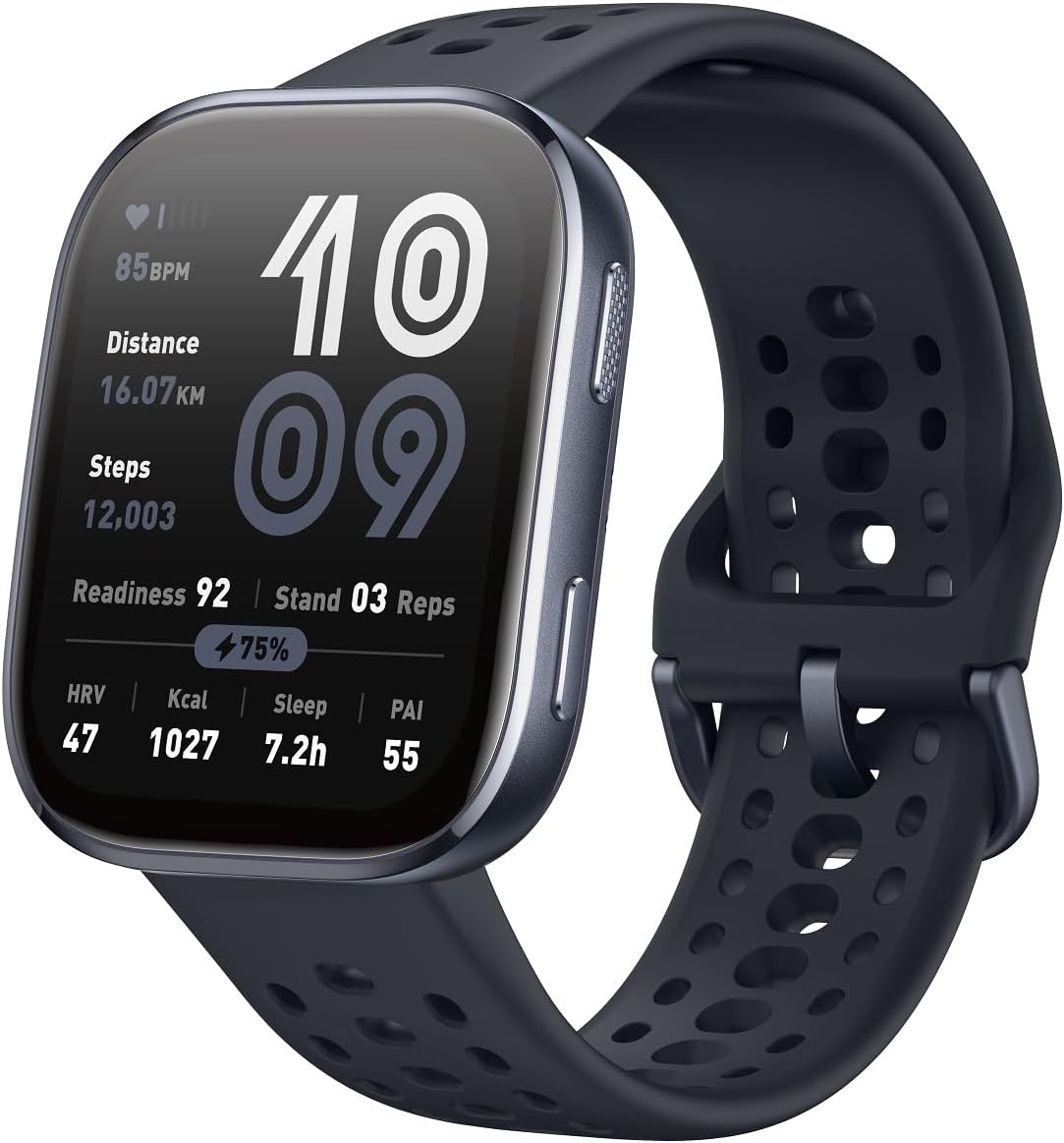
1. Amazfit Active 2 Sport — Best Overall (~$99.99)
Quick verdict: The only watch here with real offline GPS mapping, and it still comes in under $100.
This is the one to buy if you’re not sure which to buy. Amazfit undercut its own premium lineup here — GPS with offline maps and the ability to pair external sensors (chest straps, cadence sensors) are features you’d expect to pay double for. The catch is real: the AMOLED panel, while sharp, isn’t as bright outdoors as Amazfit’s pricier watches, and the companion app pushes its subscription tier a little harder than we’d like.
Specs: 44mm round AMOLED · GPS + offline maps · 10-day battery · 160+ sport modes · 5 ATM water resistance
Pros: Real offline GPS maps at this price is rare · long battery for an AMOLED watch · HYROX/strength training modes
Cons: App upsells premium coaching features · screen dims noticeably in direct sun
2. Amazfit Bip 6 — Best Battery Life (~$79)
Quick verdict: 14 days on a charge with a bigger, sharper screen than watches costing more.
If you hate charging things, this is the pick. Amazfit’s Bip line has always prioritized battery over bells and whistles, and the Bip 6 keeps that formula while bumping the screen to a genuinely nice 1.97-inch AMOLED. The tradeoff for the long battery is a plastic build that feels a step down from the Active 2, and the always-on display option cuts that 14-day estimate roughly in half if you turn it on.
Specs: 46mm AMOLED, 338ppi · 14-day battery (7-day with AOD) · GPS + free maps · 140+ workout modes · 5 ATM
Pros: Best battery-to-price ratio here · sharp display · Bluetooth calling
Cons: Plastic case feels cheaper than the Active 2 · always-on display roughly halves battery life
3. Fitbit Inspire 3 — Best App Ecosystem (~$93)
Quick verdict: Less “smartwatch,” more refined fitness band — with the most mature app of the bunch.
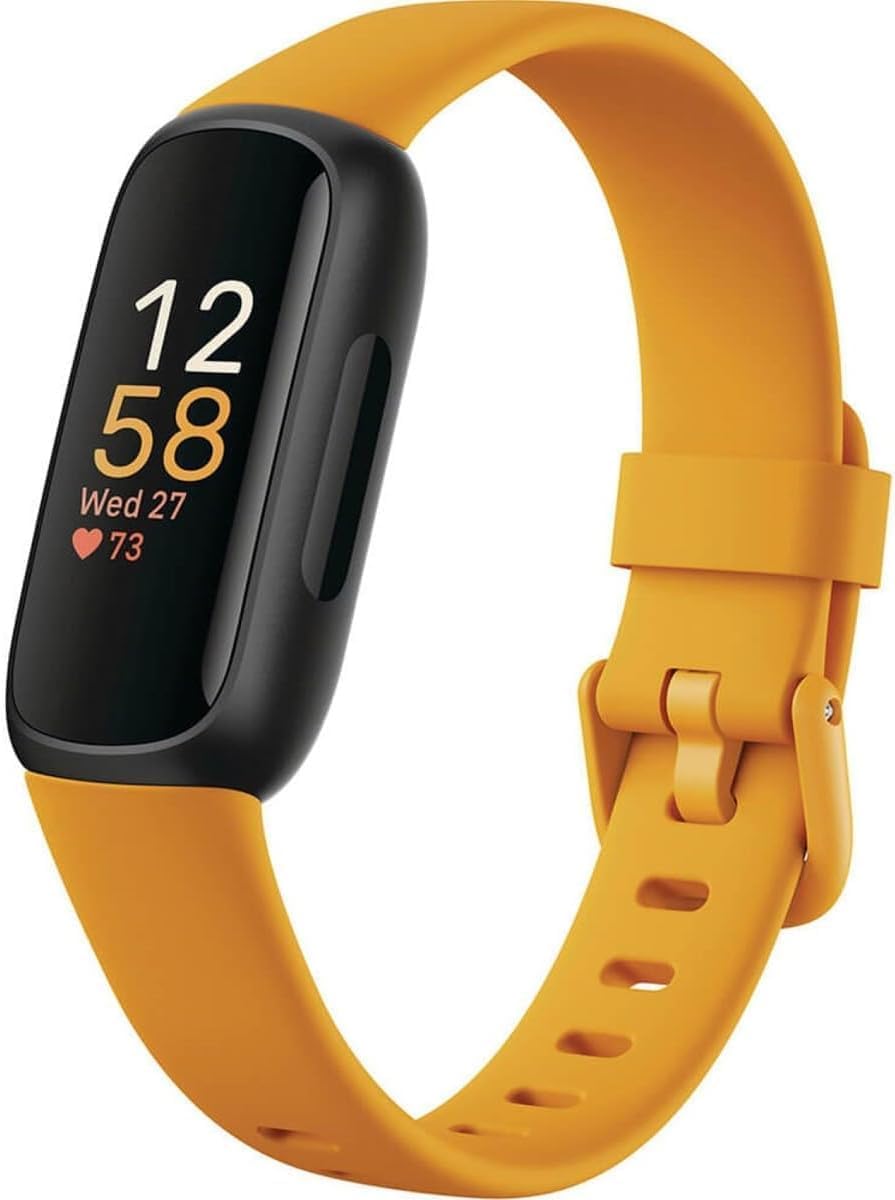
The Inspire 3 is the safe, boring choice, and that’s a compliment. It’s not trying to be a mini-smartphone on your wrist — no offline maps, no voice assistant — but the Fitbit app remains the most polished health-tracking software of any watch here, backed by nearly 3,700 ratings averaging 4.4 stars, more real-world data than the other four combined. Google’s ecosystem integration (it comes with a 3-month Google Health Premium trial) is the other reason people stick with it.
Specs: Slim band-style display · 24/7 heart rate · stress management + sleep tracking · up to 10-day battery · swim-proof
Pros: Best-in-class app and sleep insights · huge, proven user base · comfortable for 24/7 wear
Cons: No GPS, no voice assistant, no offline maps · small screen limits on-watch notifications
4. Fire-Boltt Phoenix Pro — Best Ultra-Budget ($25)
Quick verdict: Bluetooth calling and a metal body for $25 — the catch is a much smaller review base to trust.
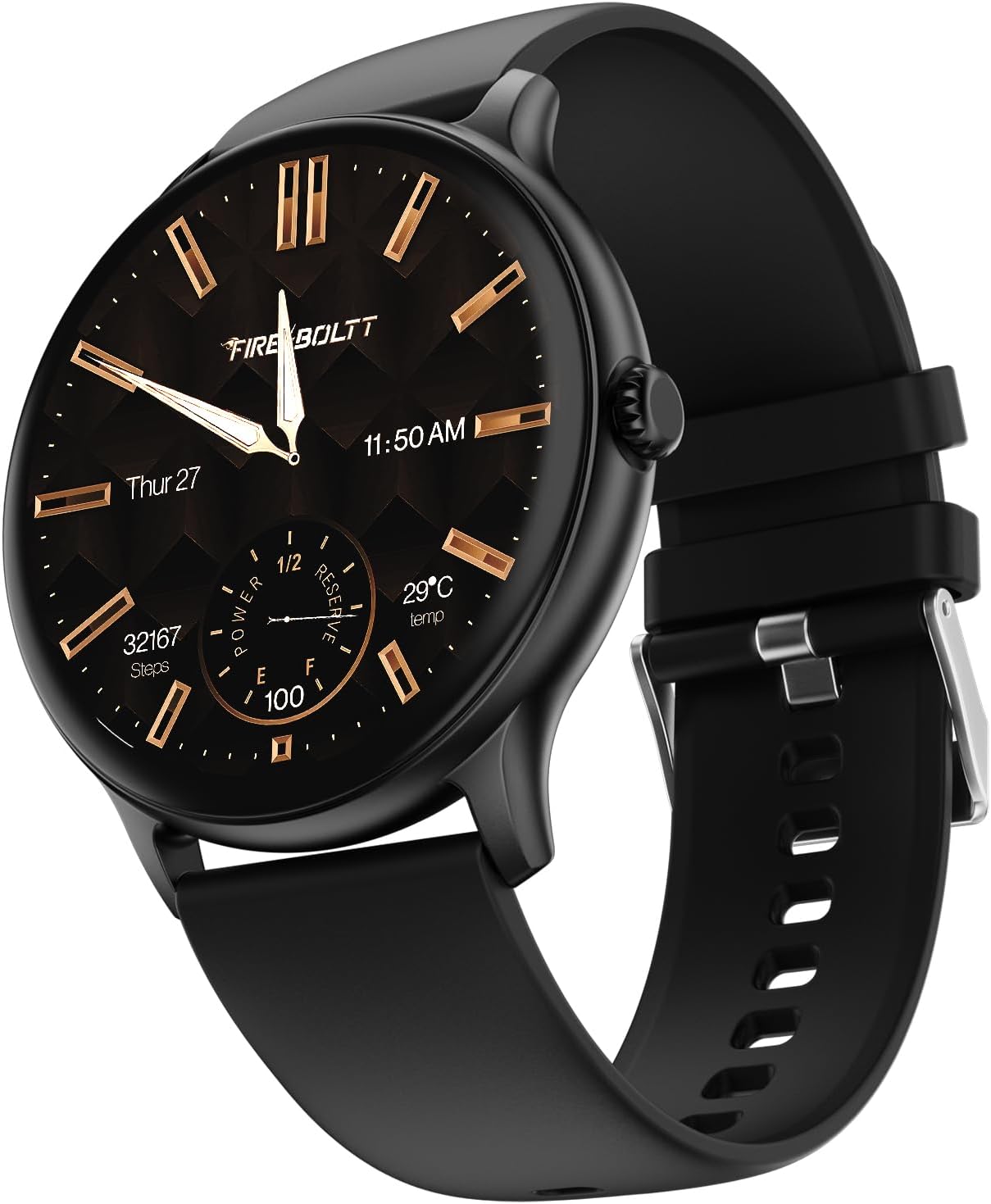
At $25, the Phoenix Pro isn’t really competing with the other four watches on this list — it’s competing with buying nothing at all. And on paper, it over-delivers: Bluetooth calling, an AI voice assistant, and a metal case are things you don’t expect below $50. The honest caveat is review depth — this listing has single digits of ratings versus Fitbit’s thousands, so treat the polish claims with a little more skepticism than the established names.
Specs: 1.39″ round display · Bluetooth calling · AI voice assistant · metal body · 120+ sport modes · up to 7-day battery
Pros: Exceptional feature-to-price ratio · metal build feels premium for the cost
Cons: Thin review history · software polish noticeably behind Amazfit/Fitbit
5. Wyze Watch 47mm — Best Health Tracking Variety (~$100)
Quick verdict: The only watch here with menstrual cycle tracking built in alongside blood oxygen and sleep.
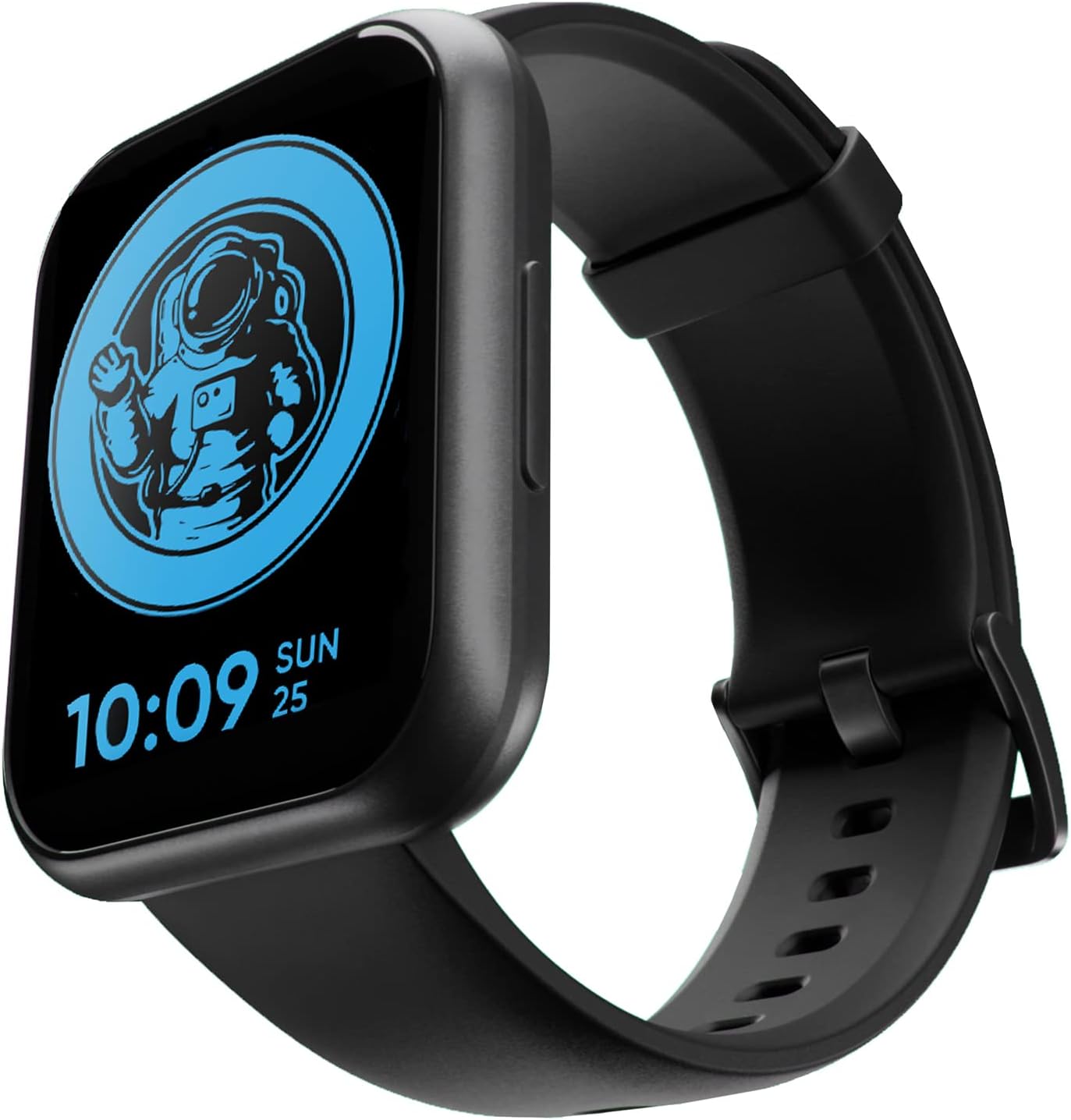
Wyze built its name on cheap, capable smart home gear, and the same formula shows up here: a wide health-tracking feature set (heart rate, blood oxygen, sleep, menstrual cycle tracking) on a clean aluminum case. It’s the most “well-rounded on health metrics” watch on this list, though Wyze’s smartwatch software is newer and less refined than Fitbit’s decade-plus head start.
Specs: 47mm aluminum case, 1.75″ touchscreen · heart rate/SpO2/sleep/menstrual monitor · IP68 waterproof
Pros: Widest health-metric coverage here · solid build for the price
Cons: App is less mature than Fitbit’s · smaller install base means fewer long-term reviews
Which one should you buy?
If you run or hike and want real navigation without your phone, get the Amazfit Active 2 Sport — it’s the only one here with offline maps. If your priority is never thinking about the charger, the Amazfit Bip 6‘s 14-day battery wins outright. If you just want the most trustworthy, no-surprises health tracker with the best app, the Fitbit Inspire 3 is the safe pick backed by thousands of real reviews. If you’re not fully sold on smartwatches and want to try the category for as little money as possible, the Fire-Boltt Phoenix Pro makes that a $25 decision instead of a $100 one. And if health-metric breadth (including cycle tracking) matters more than brand pedigree, the Wyze Watch covers the most ground.
If you specifically don’t want a subscription attached to your fitness tracker, our guide to fitness trackers without a subscription digs into which of these (and others) keep their core features free forever. And if you’re curious how a screen-free tracker compares to these touchscreen options, we put the Google Fitbit Air through the same testing process.
Frequently Asked Questions
Do budget smartwatches actually have accurate heart rate tracking?
Mostly yes, within a few BPM of a chest strap during steady-state activity — all five watches here use standard optical HR sensors that perform similarly to $300+ watches for walking, running, and resting HR. Accuracy drops on all wrist-based sensors during high-intensity interval training, regardless of price.
Will these work with an iPhone?
Yes, all five pair with iOS, though Amazfit and Wyze notification support is more limited on iPhone than Android (you can see notifications but can’t always reply from the watch, an Apple platform restriction, not a manufacturer choice).
Is GPS worth paying extra for?
Only if you regularly run or ride routes without your phone. If you always have your phone on you during workouts, connected GPS (using your phone’s signal) works fine on any of these and you can save money by skipping the built-in GPS models.
How long do these watches realistically last before needing replacement?
Battery degradation is the real lifespan limiter, not the electronics — expect 2-3 years of daily use before the battery noticeably underperforms its original rating, which is roughly in line with mid-range phones.
Deixe um comentário