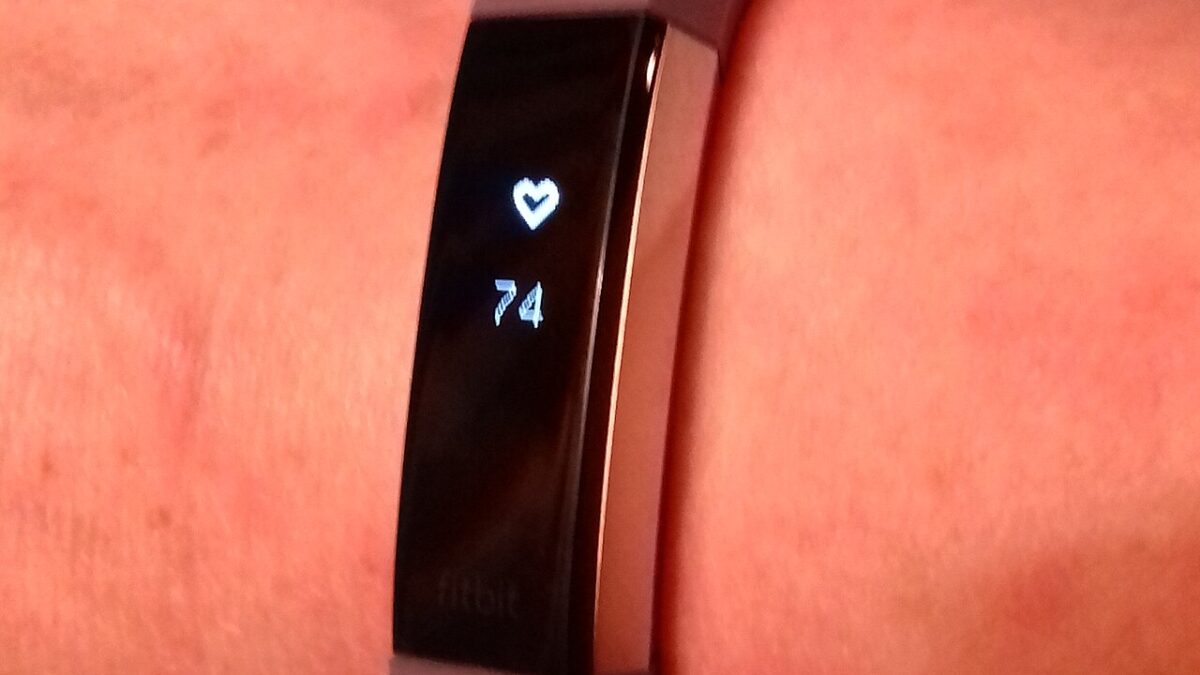
Buy a $200 fitness tracker, strap it on, open the app — and hit a paywall for your own heart rate data. That’s not a hypothetical. It’s the default business model for a growing share of wearables, and it catches people every year because the paywall usually isn’t mentioned on the box. This guide covers which trackers actually give you full data for free in 2026, and how to check before you buy so you don’t find out the hard way.
You’ll learn which brands unlock core metrics without a subscription, what “free tier” typically includes versus what gets gated, and the real trade-offs you’re making when you pick a no-subscription device over a subscription-based one.
Disclosure: this guide includes an Amazon affiliate link. If you buy through it, we may earn a small commission at no extra cost to you — it doesn’t affect which device we recommend.
Who Still Unlocks Full Data for Free in 2026
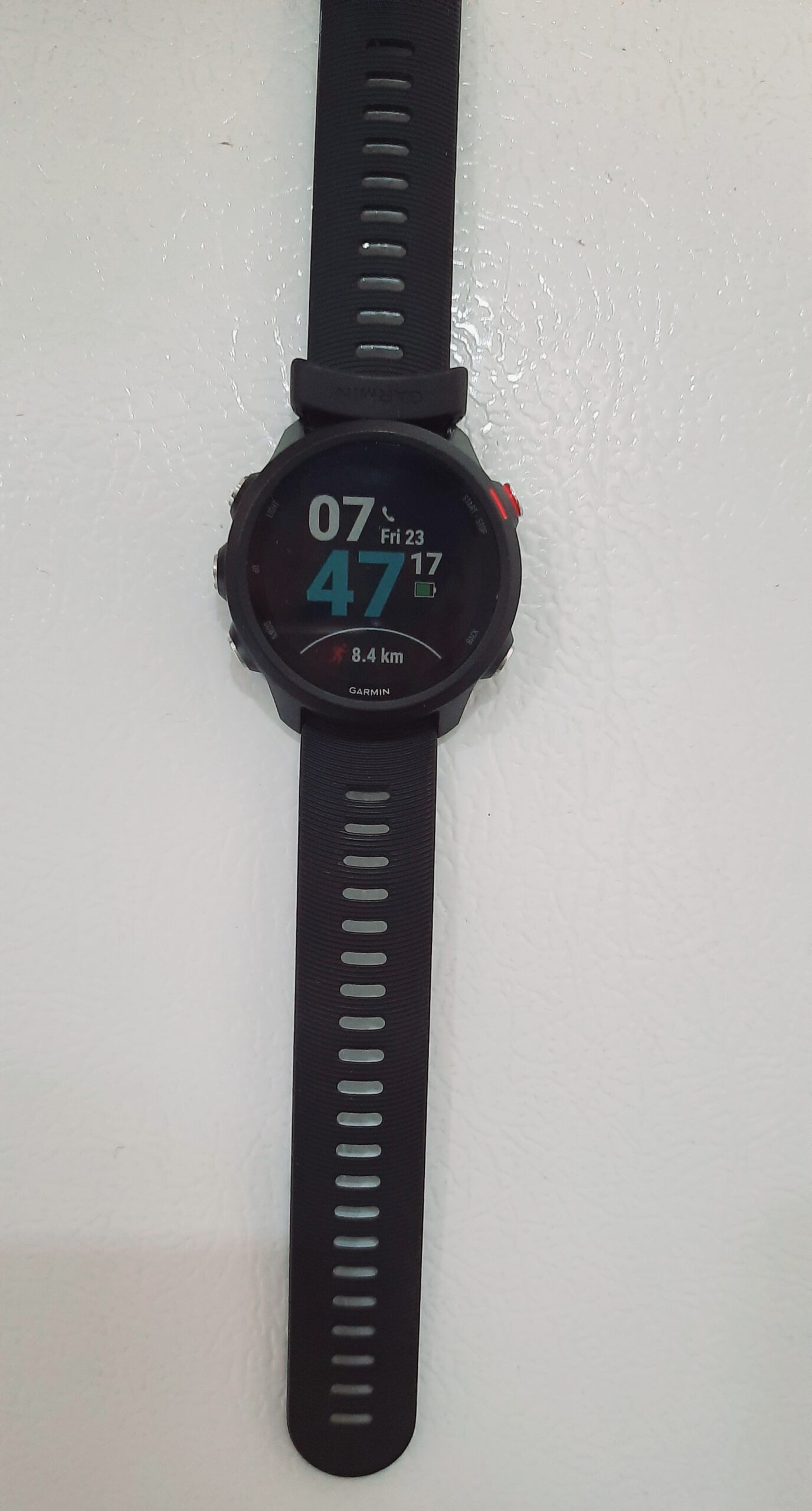
Two names anchor the no-subscription camp right now. Garmin has always treated hardware as a one-time purchase — you pay for the watch, and the core ecosystem, including HRV, sleep stages, and training load, is free forever. No monthly fee has ever been required to see your own resting heart rate on a Garmin.
Google’s Fitbit Air, which launched May 7, 2026 at $99.99, follows the same model. It’s a screen-less pebble that clips into a fabric or silicone band, and it tracks 24/7 heart rate, SpO2, sleep stages, HRV, and Afib rhythm alerts — all without a subscription. It ships with a 3-month free trial of Google Health Premium, but that trial is optional; the core health metrics work with or without it.
Amazfit’s budget lineup follows a similar no-subscription approach, trading some polish and third-party app support for a lower price and free core metrics.
The Subscription Camp: What You’re Actually Paying For
WHOOP is the clearest example of the opposite model. The hardware itself is often heavily discounted or bundled, but you can’t see meaningful insights without an active membership — $199 to $349 a year depending on the tier. WHOOP is also screenless by design: there’s no on-wrist display, so every number lives in the app, which is exactly the surface a subscription can gate.
That’s not automatically a bad deal. WHOOP’s Recovery score (built from HRV, resting heart rate, and sleep performance) and its Strain score are genuinely well-regarded coaching tools, and the subscription funds continuous algorithm updates that a one-time purchase doesn’t. The point isn’t that subscriptions are a scam — it’s that you should know you’re signing up for one before you buy the hardware, not after.
What “Free Tier” Actually Includes vs. What Gets Paywalled
Across no-subscription devices, the metrics that reliably stay free are the ones the sensor measures directly: heart rate, SpO2, step count, basic sleep stages, and HRV. What tends to get gated on subscription-model devices is the interpretation layer — recovery scores, personalized coaching suggestions, and detailed sleep-stage breakdowns beyond the basics.
That distinction matters more than most buying guides mention. A no-subscription tracker will hand you the raw HRV number. A subscription service turns that number into “your body is 73% recovered, take it easy today.” If you’re comfortable interpreting raw data yourself, the free tier is plenty. If you want the app to do the thinking, that’s the layer you’re paying for — on any brand, not just WHOOP.
Battery Life and Sensor Trade-Offs
Subscription revenue subsidizes hardware in ways that show up in the spec sheet. WHOOP’s battery lasts 5 to 7 days and has no built-in GPS — the company can keep the hardware minimal because the subscription is the actual product. Garmin’s battery life swings from 5 to 30 days depending on the model, and many current watches carry multi-band GPS for accurate route tracking during outdoor workouts — features that make sense on a device meant to be a one-time purchase with no ongoing revenue to fund extra R&D per unit sold later.
Fitbit Air sacrifices the on-wrist display entirely to hit its $99 price point without a subscription. That’s the honest trade-off of the no-subscription model: you’re not getting a worse deal, you’re getting a different one, and the missing display or missing GPS is usually where the savings actually come from.
Pro Tip: Check the Paywall Page Before You Buy
Before adding anything to your cart, open the manufacturer’s app on the App Store or Google Play and read the in-app subscription page — not the marketing site, the actual app listing. Manufacturers are required to disclose what’s gated behind a paywall there, even when the product page upstairs stays vague about it. If a feature you care about (sleep score, recovery score, guided workouts) shows a lock icon in the app screenshots, budget for the subscription or walk away.
If you want a specific no-subscription pick to start with, the Fitbit Air on Amazon is the newest entry in this category and currently the cheapest device that tracks HRV and Afib alerts with zero recurring cost.
If real-time, on-wrist coaching during workouts matters more to you than saving on a subscription, our full review of the Fitbit Charge 6 covers a device that splits the difference — a display on your wrist, with most metrics still free. And if you’re tracking recovery to support a training plan rather than just casual fitness, pairing a tracker with a basic home gym setup gets you the workout data worth tracking in the first place.
Frequently Asked Questions
Does Fitbit Air require a subscription for any features?
No. Heart rate, SpO2, sleep stages, HRV, and Afib alerts all work without a subscription. The included 3-month Google Health Premium trial adds extra coaching features, but it’s optional and the device keeps working fully after it expires.
Is WHOOP worth it if you don’t want a subscription?
Not really — WHOOP’s entire value proposition lives behind the membership. Without an active subscription, the hardware shows you essentially nothing. If a subscription is a dealbreaker, WHOOP isn’t the right device regardless of any hardware discount.
Do Garmin watches ever require a subscription?
Garmin’s core ecosystem — heart rate, sleep, training load, GPS tracking — has never required a subscription. Some higher-end features on specific models (like certain mapping or music-streaming integrations) may involve third-party subscriptions, but the fitness and health tracking itself stays free.
Can I trust a smartwatch’s marketing page to tell me if it needs a subscription?
Not entirely. Check the actual app listing on the App Store or Google Play, where subscription disclosures are required, rather than relying on the product’s main marketing page, which often stays vague about what’s paywalled.
Whichever camp you land in, the goal is the same: know what you’re paying for before the box is open, not after the first month’s bill.
Deixe um comentário