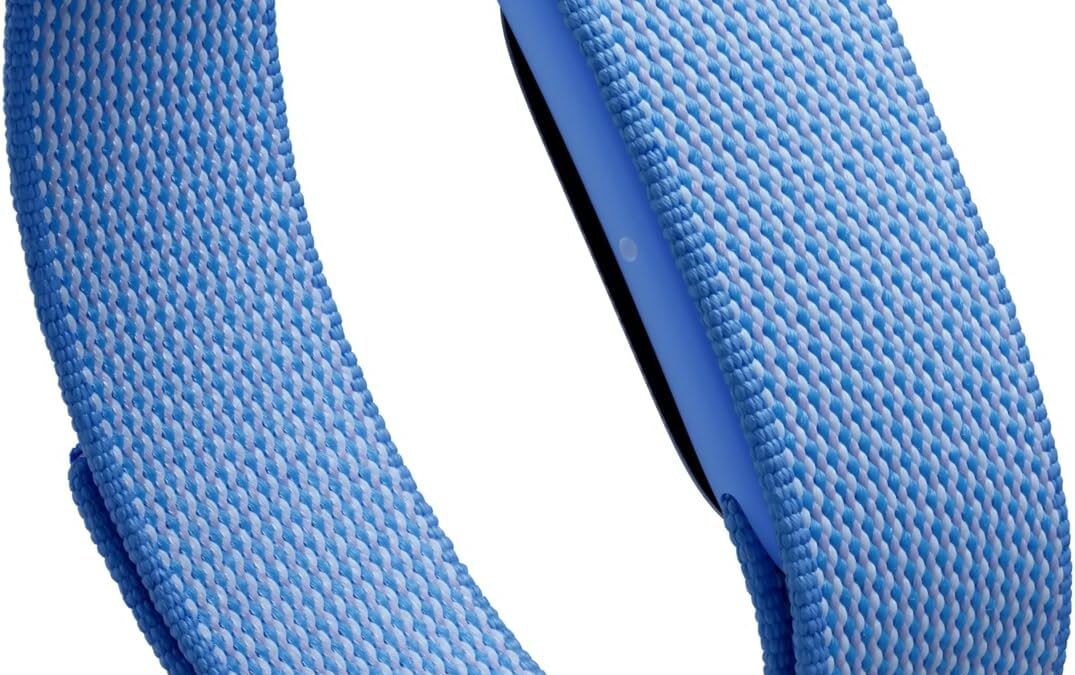
Google Fitbit Air
$99.99- $99.99 one-time price with useful core tracking and no required subscription
- 7-day battery plus 5-minute fast charge
- AFib alerts and SpO2 tracking rare at this price
- No built-in GPS
- Deeper coaching features gated behind an optional subscription
- No screen means zero at-a-glance data during workouts
Bottom line: The Google Fitbit Air is the best screenless tracker for anyone who wants Whoop-style focus and recovery tracking without Whoop's mandatory subscription cost.
Whoop convinced a lot of people that the best fitness tracker is one you forget you’re wearing — no screen, no notifications, just quiet data collection and a coaching app you check when you actually want to. The catch has always been the price: Whoop’s membership model runs $199–$359 a year just to keep the thing turned on. Google’s answer, the Fitbit Air, asks a simpler question: what if that same screenless idea cost $99, once, with no mandatory subscription?
Disclosure: decodegear may earn a commission from qualifying purchases made through links in this article, at no extra cost to you.
Our Top Pick: Google Fitbit Air
A screenless activity and sleep tracker with 24/7 heart rate, SpO2, HRV, and AFib alerts, a 7-day battery, and a 5-minute fast charge — at a fraction of Whoop’s ongoing cost.
Score: 8.6/10 | Price: $99.99
1. Google Fitbit Air — Screenless Tracker (~$99.99)
The Fitbit Air isn’t a smartwatch pretending to be minimalist — it’s a genuinely screenless “pebble” tracker, a small 5.2-gram module that snaps into one of three interchangeable bands. That distinction matters more than it sounds: no screen means no glowing wrist during a meeting, no accidental taps, and — Google’s actual selling point — no temptation to check notifications mid-workout or mid-sleep. It’s built to be forgotten, in the same way a good pair of glasses disappears once you put them on.

Quick verdict: The best screenless tracker for anyone who wants Whoop-style focus tracking without a Whoop-style subscription bill.
Technical specs, per Google’s own listing and Amazon’s product page:
- 24/7 heart rate, SpO2, resting heart rate, and heart rate variability tracking
- AFib heart rhythm alerts
- Sleep stage and duration tracking
- Battery: up to 7 days per charge; 5-minute fast charge = a full day of use
- Compatible with Android 11+ and iOS 16.4+ via the Google Health app
- Band options: Performance Loop (35%+ recycled materials, micro-adjustable, included standard), Active Band (sweatproof silicone), Elevated Modern Band (leather-style, sold separately)
- Colors: Fog, Obsidian, Lavender, Berry — plus a Stephen Curry special edition ($129.99) in rye brown with orange accents
- 4.4/5 stars on Amazon across 1,300+ ratings, with 3,000+ bought in the past month
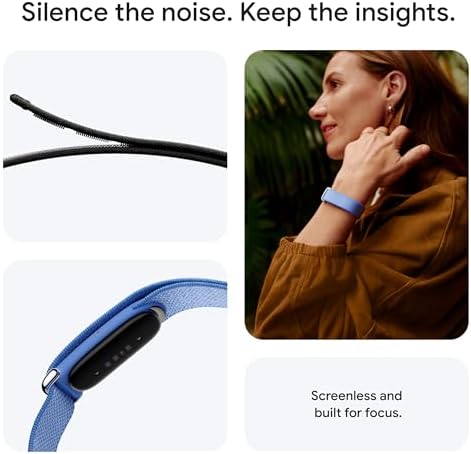
The “Personalized AI-Powered Coaching” Google advertises on the box runs on the same Gemini-powered Google Health stack the company keeps investing in — the same broader push we’ve been tracking as Google’s flagship Gemini models work through delays on the software side. The coaching layer here is Google’s AI ambitions applied to a $99 wristband instead of a chatbot.
The subscription question is the part most buyers actually care about, so let’s be direct about it: core tracking — heart rate, sleep, SpO2, AFib alerts — works with no subscription at all. Pre-orders included a free 3-month trial of Google Health Premium, which layers on deeper coaching and trend analysis; after that it renews at $9.99/month unless you cancel, and it comes free if you’re already paying for a Google AI Pro or Ultra plan. That’s a meaningfully different deal than Whoop, where the membership isn’t optional — it’s the entire business model, and the hardware is close to worthless without it.
Where it falls short: no built-in GPS, so runners who want standalone route tracking without a phone in their pocket should look elsewhere. It’s also brand new enough that long-term durability data (band wear, sensor drift after a year) doesn’t exist yet — Fitbit’s track record on earlier bands has been solid, but the Air is an unproven design.
Pros
- $99.99 one-time price with genuinely useful tracking that needs no subscription
- 7-day battery plus a 5-minute fast charge is a real convenience advantage over most smartwatches
- AFib alerts and SpO2 at this price point are rare
Cons
- No built-in GPS
- Premium coaching features are gated behind an optional but naggy subscription upsell
- No screen means zero at-a-glance info — some people genuinely want to glance at a number mid-run
2. Band options — which one to actually buy
The Fitbit Air ships standard with the Performance Loop, a micro-adjustable woven band made from more than 35% recycled materials by weight, available in Fog, Obsidian, Lavender, and Berry. It’s the right default for most people — one-size, easy to swap between wrist sizes in a household, and comfortable enough for sleep tracking, which matters here since sleep is half the point of a screenless tracker.
Performance Loop Band (~$34.99) — the default, best for most people, especially anyone tracking sleep.
If you sweat through workouts regularly, the Active Band swaps the woven fabric for sweatproof, wetproof silicone with a ribbed grip pattern — a better call for anyone doing daily gym sessions, running, or anything that leaves the Performance Loop damp by the end of the day.
Active Band (~$34.99) — sweatproof silicone, best for daily workouts and humid climates.
There’s also an Elevated Modern Band — a leather-style option — if you want the tracker to disappear under a dress shirt or blazer sleeve rather than look overtly athletic. It’s the one to skip if fitness tracking, not office wear, is the actual priority.
Which one should you buy?
If you want better sleep and stress awareness without turning your wrist into another notification surface, the Fitbit Air is close to the obvious pick at this price — it’s the rare wearable that’s cheaper and does less by design, and that’s the point. If you’re a serious endurance athlete who wants built-in GPS and Whoop-grade strain coaching and you don’t mind paying for it monthly, Whoop’s 5.0 lineup still edges it out on training-specific depth — you’re just paying 2–3x over a year for that edge. And if you already own a Fitbit Charge 6 or Sense 2 and like having a screen, there’s no reason to switch; the Air is a different philosophy, not a strict upgrade. Parents or couples buying more than one unit should also factor in the band system before deciding on the standard version versus the Stephen Curry special edition — the extra $30 on the Curry model buys color and packaging, not different sensors, so it only makes sense if the aesthetic genuinely matters to you.
Subscription fatigue is exactly why we put together a full guide to picking a fitness tracker without a recurring bill — worth reading before you commit to any wearable’s ongoing membership model, Fitbit Air included.
Frequently Asked Questions
Does the Fitbit Air require a subscription to work?
No. Core features — 24/7 heart rate, SpO2, sleep tracking, and AFib alerts — work without any subscription. Google Health Premium ($9.99/month after a 3-month free trial) adds deeper coaching and trend insights but isn’t required for the basics.
Is the Google Fitbit Air waterproof?
It’s built to handle sweat and showering like other Fitbit trackers, though Google markets it primarily around everyday wear rather than dedicated swim tracking — check the specific band, since the Active Band is the one designed for heavier sweat exposure.
How does the Fitbit Air compare to Whoop?
Both are screenless trackers focused on recovery and sleep data. The Air costs $99.99 once with optional $9.99/month coaching; Whoop requires an ongoing $199–$359/year membership just to use the hardware at all. Whoop still leads on training-specific strain coaching for serious athletes.
Does the Fitbit Air have GPS?
No built-in GPS. It relies on your phone for location-based tracking during outdoor workouts, which is a real limitation if you run or cycle without your phone.
Deixe um comentário