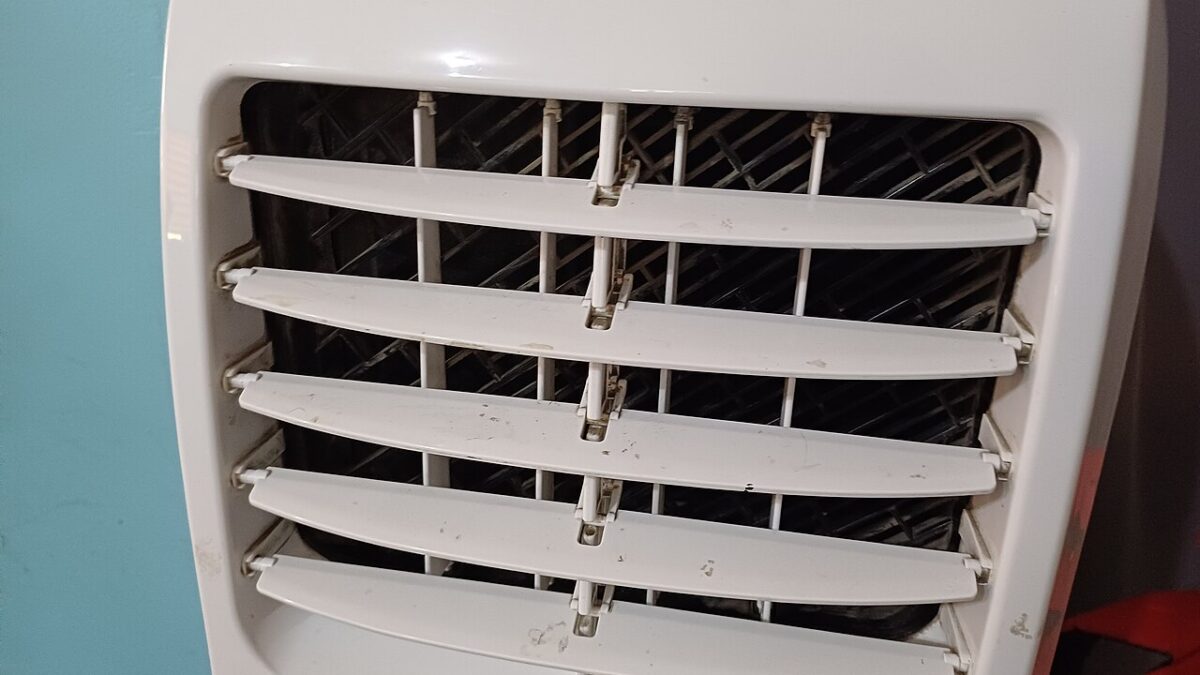
More than 300 temperature records are expected to fall across the United States by Saturday, according to CBS News — and a heat dome is currently trapping over half the country under conditions running 20–30°F above average. New York tied its 100°F record on Thursday. Boston set a new one. Philadelphia canceled its July 4th parade outright. And some of the cooling tech people are panic-buying right now will not lower the temperature in your home by a single degree.
This guide covers which devices genuinely remove heat, which only make you feel cooler, where evaporative coolers quietly fail, and the sub-$20 fixes the Department of Energy says matter more than most gadgets. Numbers first, marketing second.
Disclosure: DecodeGear may earn a commission from qualifying purchases made through links in this article, at no extra cost to you.
Portable Air Conditioners: The Only Plug-In Tech That Actually Removes Heat
An air conditioner is the only device on this list that moves heat out of your room instead of just moving air around it. If a space in your home genuinely needs to be cooler — not just breezier — this is where your money goes.
Two numbers matter before any brand name. First, sizing: the DOE rule of thumb is roughly 20 BTU per square foot with 8-foot ceilings, plus extra for sun-soaked rooms and kitchens. Oversizing backfires — the unit short-cycles and dehumidifies poorly, a real problem in this week’s muggy East Coast heat.
Second, the number most listings hope you skip: SACC vs. ASHRAE. The big BTU figure on the box is usually the older ASHRAE rating. SACC — the standardized measurement that accounts for real-world heat leaking back in — runs about 30% lower. A “12,000 BTU” portable is really a 10,000 BTU performer. Always compare SACC to SACC.
In current testing roundups, two units keep winning:
- Midea Duo (MAP12S1TBL), ~$500 — 12,000 BTU ASHRAE / 10,000 SACC, inverter compressor, and a hose-in-hose dual design. It runs at roughly 42–49 dB, which is quiet enough to sleep next to — a real consideration when overnight lows are breaking heat records too. It is the best-overall pick at Forbes Vetted and RTINGS this year.
- Whynter ARC-14S, ~$380 — a 14,000 BTU (ASHRAE) dual-hose unit that has been the value pick in this category for years. Less refined than the Midea, meaningfully cheaper.
Why the emphasis on dual-hose? A single-hose portable creates negative pressure indoors, which pulls hot outdoor air back in through every gap in your house — you are partially cooling the neighborhood. Dual-hose designs draw intake air from outside instead, so the cooling you pay for stays in the room.
🛒 Shop Portable Air Conditioners on Amazon
Tower Fans: Honest Truth — They Do Not Cool the Room
A fan does not lower air temperature. At all. It accelerates evaporation off your skin — a wind-chill effect that makes you feel several degrees cooler while the thermometer does not move. Two practical consequences: a fan in an empty room is pure wasted electricity, and a fan alone is not a safe answer in dangerous heat (more on that below).
Within that honest framing, fans are still the best comfort-per-dollar purchase in this article:
- Dreo Nomad One, ~$70 — a DC-motor tower fan with 8 speeds that runs near 28 dB on low. That is quieter than most refrigerators, which makes it the pick for bedrooms during record-warm nights.
- Lasko Wind Curve 36″, ~$50–80 — the budget stalwart that keeps earning “best value” nods from HGTV and Reviewed. Louder, simpler, dependable.
The smart play is pairing: let an AC do the actual heat removal, and use a $70 fan to circulate that cooled air so the AC cycles less. That combination beats either device alone on both comfort and your electric bill.
Evaporative Coolers: The Dry-Climate Exception
The Hessaire MC18M (~$189) pushes 1,300 CFM and covers up to 500 square feet for less than half the price of a comparable portable AC. So why is it not the headline recommendation? Physics. Evaporative (“swamp”) coolers work by evaporating water into dry air — and the wetter the air already is, the less they can do. Above roughly 60% relative humidity, performance drops sharply; above 70%, cooling is minimal — and the unit is now adding moisture to a room that already feels like soup.
That makes it close to useless in the humid East Coast cities at the center of this heat dome. In Phoenix, Denver, or Salt Lake City, the math flips and the MC18M is a legitimately great buy. Know your humidity before you spend.
Smart Thermostats: The Long Game (With Real Numbers)
If you have central air, a smart thermostat will not make this weekend cooler — but it changes what every future heat wave costs you. The honest baseline: ENERGY STAR certification requires a verified cooling-runtime cut of at least 10%, and independent field data puts average annual HVAC savings around 8%, roughly $50–100 per year for a typical U.S. home. Marketing claims of “up to 26%” are best-case scenarios, not expectations.
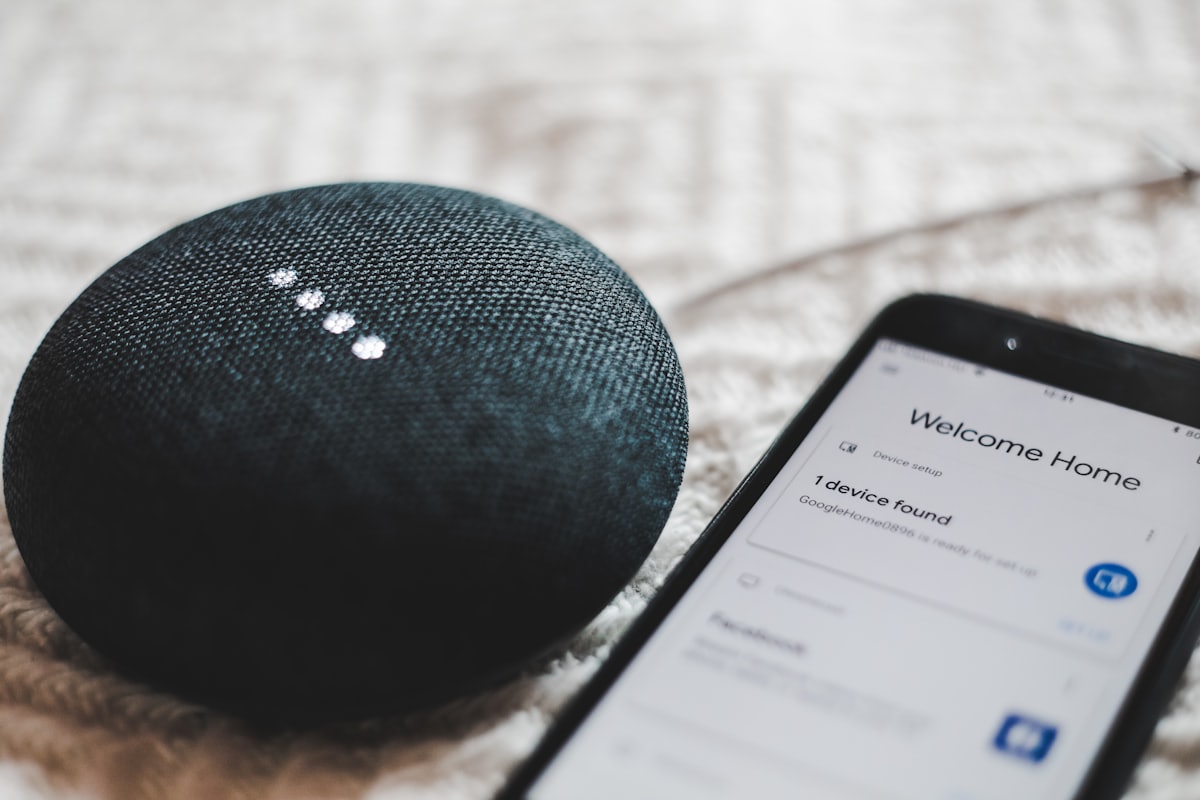
The two picks: the Google Nest Learning Thermostat (4th gen, ~$280), which builds its own schedule from your behavior, and the Ecobee Smart Thermostat Premium (~$250), whose remote sensor fixes the hallway thermostat that has no idea your bedroom is 6 degrees hotter. In a heat wave, the killer feature is pre-cooling: run the AC harder in the cooler morning hours so the system is not fighting the 4 p.m. peak.
If a thermostat would be your first connected device, our guide to building a smart home in 2026 walks through where to actually start — the thermostat is one of the few devices with a measurable payback. And if your existing gear already lags when you need it, our breakdown of why your smart home feels slow covers the fixes before you add another device to the pile.
The Cheap Fixes That Outperform Gadgets
Energy.gov’s numbers here are humbling for anyone (us included) who writes about tech:
- Window coverings: medium-colored drapes with white plastic backing cut heat gain by about 33%; blackout or thermal curtains manage around 30%. Close them on sun-facing windows before the sun arrives, not after the room is hot.
- Air sealing: weatherstripping and caulk around doors, windows, and pipe penetrations. In an average home, the combined gaps add up to roughly a basketball-sized hole in the wall. Cost: under $20.
- Ceiling fans counterclockwise: the summer setting pushes air down onto skin. Free, and routinely set wrong.
- Night-flush ventilation: open windows on opposite sides of the house once outdoor temps drop below indoor, then seal everything at sunrise. One honest caveat for this specific wave: with 200+ record-warm overnight lows forecast, the nighttime payoff will be smaller than usual. It still beats nothing.
Pro Tip: What Most People Miss
The most common portable AC mistake is a leaky window kit. Every gap around that exhaust panel lets hot air pour straight back into the room you are paying to cool. Seal the kit’s edges with foam weatherstrip or painter’s tape, and insulate the exhaust hose (a $10 hose cover works) so it stops radiating heat back indoors. Ten minutes of sealing can matter more than the next 2,000 BTU of capacity you were about to pay $150 for.
Extreme Heat Safety: Where Tech Stops Being Enough
This is dangerous heat, not just uncomfortable heat. Past roughly 95°F with high humidity, fans can no longer keep a body’s core temperature safe — skin-level evaporation stops working well enough. At that point the correct tools are air conditioning (yours, a friend’s, or a public cooling center), aggressive hydration, and checking on elderly neighbors. NYC officials spent Thursday warning of “extremely dangerous conditions” for a reason. No gadget in this article overrides that.
FAQ
Do fans actually lower room temperature?
No. Fans create a wind-chill effect on your skin, but the air temperature is unchanged. A fan running in an empty room is wasted electricity — turn it off when you leave.
What size portable AC do I need?
Use the DOE rule of about 20 BTU per square foot (8-foot ceilings), adding capacity for sunny rooms or kitchens. Compare by SACC rating, not the bigger ASHRAE number — SACC reflects real-world output and runs about 30% lower.
Is an evaporative cooler worth it during this heat wave?
Only in dry climates. Above about 60% relative humidity its cooling drops off sharply, and above 70% it is minimal while adding moisture to the room. Humid East Coast: portable AC. Arid Southwest: the ~$189 Hessaire MC18M is a strong value.
How much does a smart thermostat really save?
Field data behind ENERGY STAR certification points to roughly 8% average annual HVAC savings — about $50–100 per year for a typical U.S. home. Higher advertised figures are best-case marketing scenarios.
The Bottom Line
Spend where the physics is: a properly sized dual-hose portable AC for rooms that must be cool, a quiet tower fan to stretch that cooling further, and an afternoon with curtains, caulk, and weatherstrip — the unglamorous trio energy.gov ranks above almost everything with a plug. Skip the swamp cooler unless you live somewhere dry, and when the heat index climbs past the point where fans help, stop optimizing and get somewhere air-conditioned. This weekend’s records are a forecast, not a fluke — the same setup will earn its keep again in August.
Featured image: Portable air conditioner by Curpharar, Wikimedia Commons (CC BY-SA 4.0)
Deixe um comentário