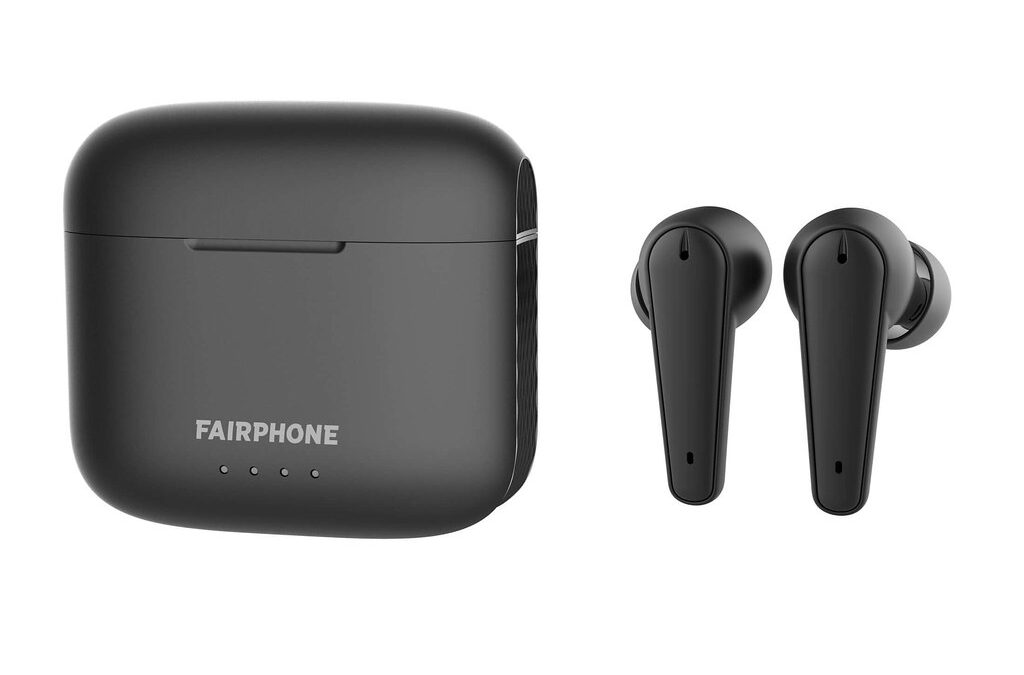
Remember when your wireless earbuds lasted a whole workday on one charge? Two years later, they tap out before lunch. It isn’t your imagination, and it isn’t a defect — it’s physics. The same tiny size that makes true wireless earbuds so convenient is exactly why they age faster than almost any other gadget you own. Here’s what’s actually happening inside those little buds, and why your phone doesn’t suffer the same fate nearly as fast.
The battery is impossibly small — and that’s the whole problem
Each earbud contains a lithium-ion battery roughly the size of a shirt button, often somewhere between 30 and 60 milliamp-hours. For comparison, the phone in your pocket holds a cell of 4,000 to 5,000 mAh — something like a hundred times larger. That gap matters far beyond how long a single charge lasts, because of how lithium-ion batteries age.
Every lithium-ion cell has a limited number of charge cycles — roughly 300 to 500 before it noticeably loses capacity. A charge cycle is one full drain and refill. Your phone, with its huge battery, might take all day to burn through a single cycle. Your earbuds, with their microscopic cells, blow through a full cycle in a few hours of listening. Do the math over a year of daily use and your buds rack up cycles several times faster than your phone ever will.
The charging case is quietly making it worse
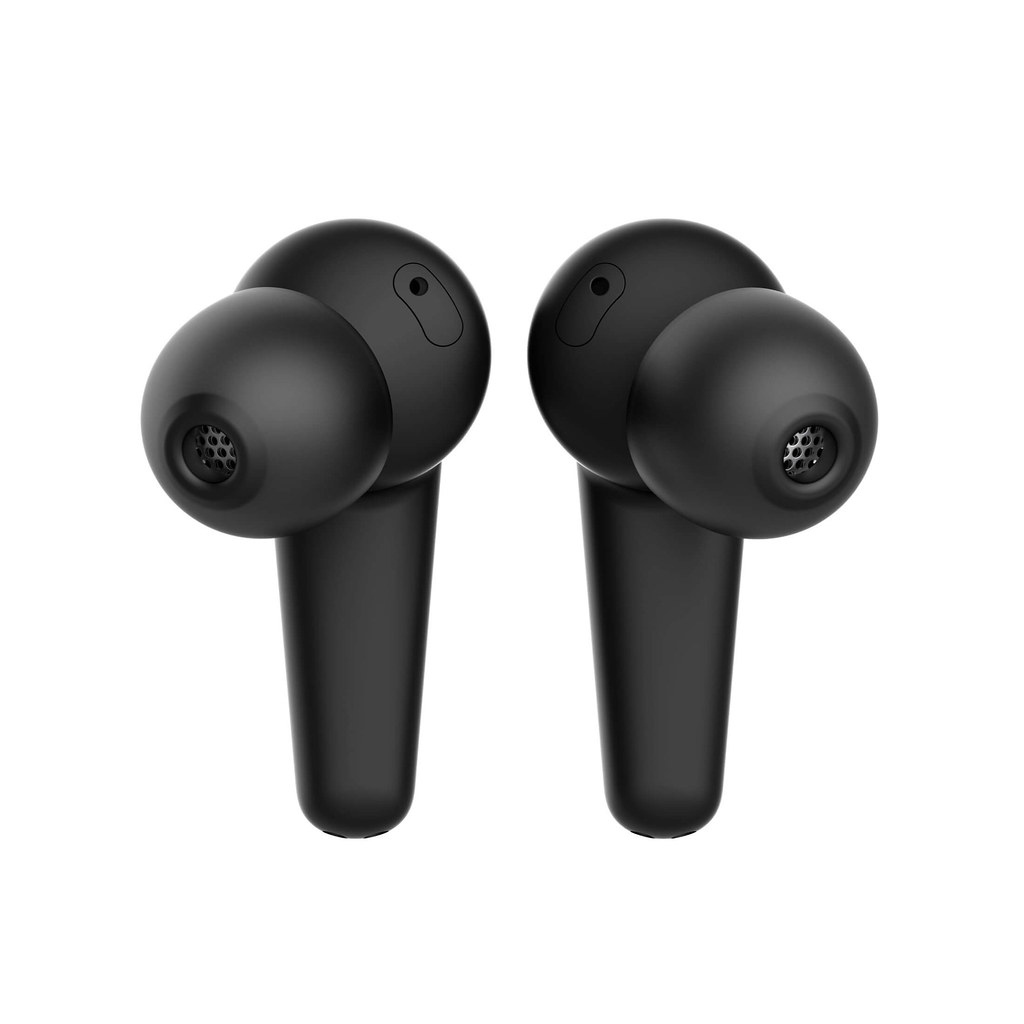
Here’s the part most people never think about. Every time you drop your earbuds back in the case, it immediately tops them up to full. That sounds helpful, but constantly holding a lithium-ion battery at 100% is one of the more stressful things you can do to it. Your buds spend their entire life bouncing between “completely drained in your ears” and “pinned at full in the case” — the two extremes that wear a battery down fastest.
Heat piles on top of that. Batteries hate heat, and earbuds live in warm places: inside your ears, in a pocket against your body, or charging inside a closed case that traps the warmth of charging. If any of that sounds familiar, our explainer on why phone batteries degrade over time covers the same chemistry on a bigger scale — the difference is that earbuds get all the same abuse in a fraction of the volume.
Why the decline feels so sudden
Battery capacity doesn’t fall off a cliff — it fades gradually. But with earbuds, a gradual fade feels like a cliff because you started with so little to begin with. When a bud rated for five hours loses 40% of its capacity, you’re suddenly getting three. Lose a bit more and you’re at two. On a phone, that same percentage drop still leaves you with most of a day. On something that only ever had a few hours in the tank, the loss is immediately, painfully obvious.
There’s usually a second, sneakier culprit too: the two buds rarely age at the same rate. Most people favor one ear, or one bud runs the connection to the phone and works slightly harder. So one bud starts dying noticeably before the other, and your “earbuds” effectively become as good as the weaker one.
Why you can’t just replace the battery
With most gadgets, a tired battery is a fixable problem. Not here. True wireless earbuds are marvels of miniaturization — the battery, antenna, chip, and speaker are packed into a sealed shell and usually glued, not screwed, together. There’s no door, no tray, and no realistic way to swap the cell without destroying the bud. When the battery goes, the earbud effectively goes with it. That’s not a conspiracy so much as an unavoidable consequence of cramming everything into something that fits in your ear canal — but the practical result is the same: a two-year shelf life baked in from the factory.
How to tell yours are already on the way out
The decline sneaks up, but there are clear tells. The most obvious is a widening gap between the two buds — one dies well before the other, or one keeps dropping the connection while the other holds steady. You’ll also notice the case itself needs charging far more often, because worn buds draw a top-up every time they go back in, and the case burns through its own reserve faster keeping them fed. And if a “five-hour” set now barely clears two hours of real listening, that’s not a fluke or a bad week — it’s the capacity loss finally crossing the line from unnoticeable to unavoidable. Once you’re seeing two or three of those signs together, no setting or firmware update is going to bring the stamina back; the cells are simply tired.
How to squeeze more life out of them
You can’t beat the chemistry, but you can slow it down. Don’t leave the case baking in a hot car or in direct sun. If you’re not going to use them for a while, store the case around half charged rather than full or empty. Try not to run each bud completely flat every single time. And keep the firmware updated, since manufacturers occasionally ship charging tweaks that ease the wear. None of this makes earbuds immortal, but it can be the difference between replacing them at 18 months and getting a comfortable three years.
When it is finally time to upgrade, it’s worth buying with battery realities in mind — some brands are far more honest about real-world stamina than their spec sheets suggest. Our guide to choosing wireless earbuds walks through what actually matters, and if you’re weighing sound quality against convenience, why Bluetooth headphones sound worse than wired is worth a read before you spend.
The short version: your earbuds aren’t broken and you aren’t imagining the decline. They’re simply the most extreme example of a battery problem every device has — just shrunk down to something that fits in your ear, where every weakness gets magnified.
Deixe um comentário