If you’re staring at a GPU price tag that’s 30-100% higher than it was a year ago and wondering whether to just buy now before it gets worse, you’re asking the right question at a confusing time. The honest answer isn’t “wait” or “buy” — it’s a framework, because the right call depends entirely on which category of buyer you are.
What you’ll learn: why prices are climbing the way they are, when (if ever) relief is realistically coming, and a simple decision tree to figure out whether your specific situation calls for buying now or holding off.
Why This Is Happening: The Short Version
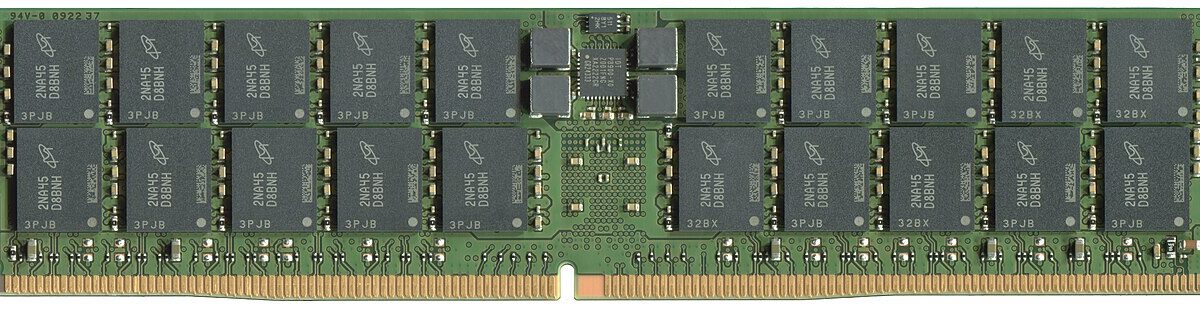
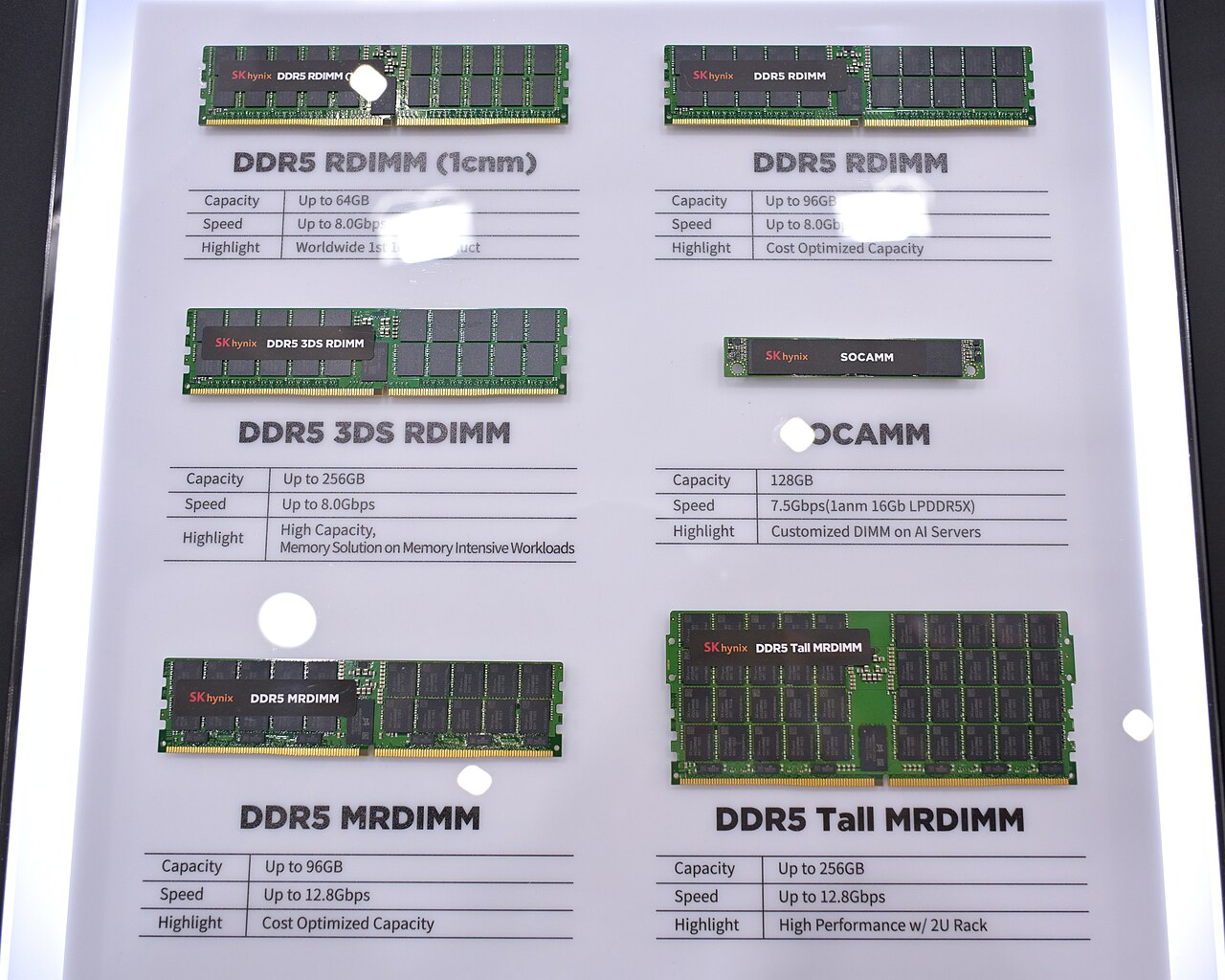
Memory manufacturers — Samsung, SK Hynix, Micron — are redirecting production capacity toward high-bandwidth memory (HBM) for AI datacenter chips instead of the conventional DRAM and GDDR that goes into your GPU and motherboard. That’s the entire story. It’s not a chip shortage in the 2021 sense of not enough factories; it’s a capacity-allocation decision, and AI infrastructure pays more per wafer than consumer electronics ever will. We broke down the mechanics of this in detail here — the short version is that VRAM now makes up more than 80% of the bill of materials on a flagship card.
The Forecast: What Analysts Are Actually Saying
This is the part that should shape your decision more than any headline. Gartner is forecasting roughly 80% DRAM price inflation across 2026, with no meaningful relief expected inside the year. Quarter-over-quarter contract price increases are projected at 13-18% for Q3 2026 — still climbing, though slower than the roughly 60% jump seen in Q2. The most optimistic realistic read is that prices plateau in the second half of 2026, meaning they stop climbing but don’t come back down. Gartner’s own “memflation” analysis puts the earliest credible normalization window at the second half of 2027 — and even then, don’t expect a return to 2024-era pricing. The market has structurally repriced around AI demand, not just temporarily spiked.
Pro tip: If you’re tracking this yourself, watch DRAM contract price QoQ percentages, not GPU street prices directly. Contract prices lead street prices by roughly one quarter — a slowdown in contract price growth today is your earliest signal that retail prices might stabilize soon.
The Decision Framework
Buy now if:
- Your current GPU is dead or dying. A non-functional card isn’t a “wait and see” situation — the cost of not having a working PC exceeds any savings from timing the market.
- You need it for income-generating work. If the GPU pays for itself through freelance rendering, streaming, or a job requirement, the premium is a business cost, not a hobby expense — and every month you wait is a month of lost productivity.
- You can find a card at or near a fair price today. Not every SKU is equally squeezed — the very top tier (RTX 5090, flagship AMD cards) has taken the worst of it, while mid-range cards have moved up but stayed more available. Our breakdown of the RTX 5090’s pricing collapse shows just how extreme the top end has gotten — it’s a useful cautionary tale even if you’re shopping a tier down.
Wait if:
- Your current card still works fine for what you do. “It would be nice to upgrade” is exactly the situation where a multi-year price spike should change your calculus.
- You’re chasing the top-tier flagship specifically. That’s where the paper-launch dynamics are worst and the price-to-performance math has broken down most badly.
- You have flexibility on timing. If nothing forces your hand, the data doesn’t support “prices will magically drop next month” — but it also doesn’t support panic-buying at a 2x markup when a plateau is plausible within two quarters.
What Most People Get Wrong
The instinct is to treat this like a temporary shortage — grit your teeth, overpay once, and move on. But this is a multi-year repricing, not a blip. AMD has already raised Radeon prices twice in six months, which tells you this isn’t an Nvidia-specific problem you can dodge by switching brands. Treating 2026 pricing as an anomaly to wait out is the mistake — treating it as the new baseline, and buying only when your need is real, is the more defensible strategy.
If your need is real and you’re shopping now, compare current listings across sellers rather than fixating on a specific SKU that might be worst-hit by the shortage: 🛒 Browse current GPU listings on Amazon
Frequently Asked Questions
Will GPU prices ever go back to 2024 levels?
Analysts don’t expect it. Even the optimistic H2 2027 normalization scenarios describe a plateau at a structurally higher price floor, not a return to pre-shortage pricing — the market has repriced around permanent AI demand for the same memory chips.
Is it better to buy used instead of new right now?
It can help, but used flagship cards are also inflated by the same scarcity — sometimes only 10-15% below new. The bigger savings usually come from stepping down a tier, not down a condition grade.
Should I just build around integrated graphics until this passes?
For light workloads, yes — that’s a legitimate way to sidestep the entire problem for a year or two. For gaming or creative work that needs real GPU horsepower, integrated graphics won’t hold you over through a shortage that could run into 2027.
Does this affect laptops too, or just desktop GPUs?
Both — laptop memory and discrete mobile GPUs draw from the same constrained DRAM/GDDR supply. If you’re shopping for a new machine broadly rather than just a graphics card, our current budget laptop picks account for this pricing environment.
How do I know if a “deal” on a GPU right now is actually good?
Compare against the card’s price six months ago, not its MSRP from launch — MSRP is close to meaningless in this market. If a listing is roughly in line with, or below, what the same card sold for in early 2026, that’s a genuinely fair price given the shortage. If it’s being marketed as a “deal” while still sitting well above where it traded a few months ago, the discount is relative to an inflated starting point, not a real price drop.
Deixe um comentário