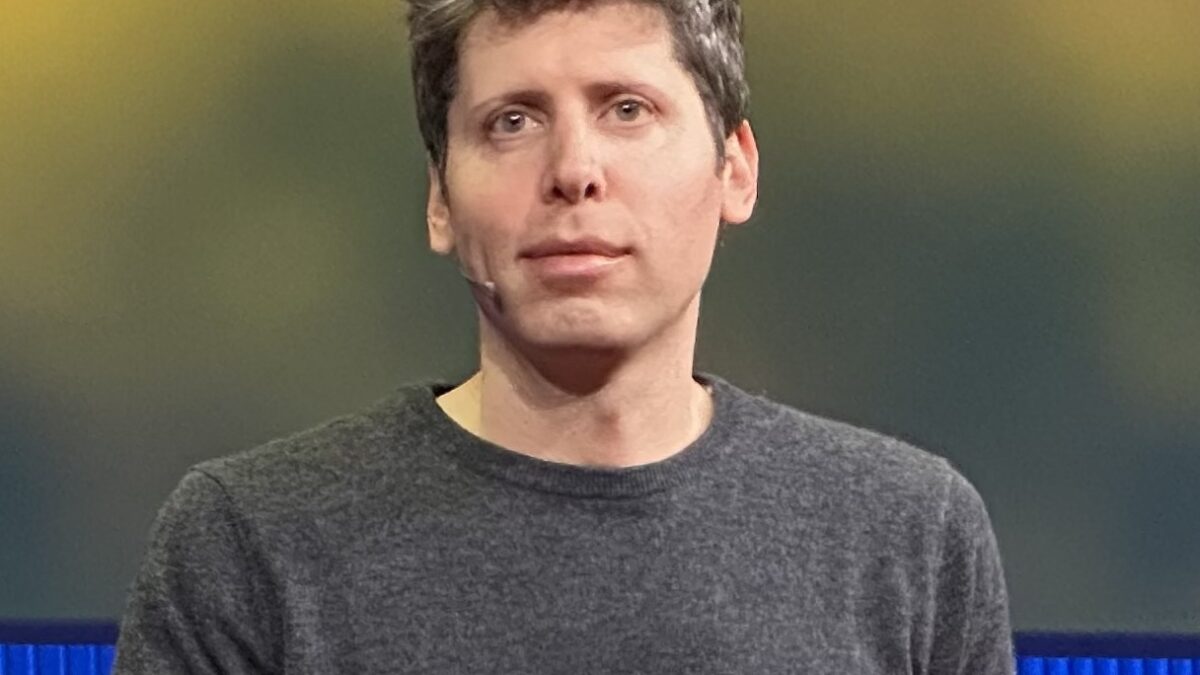
Sam Altman wants the world to build a new international body to govern AI — a U.S.-led forum that sets global standards, judges which models are safe, and decides which countries and companies get access to the technology. He compared it to aviation safety regulators, global financial standards bodies, and the International Atomic Energy Agency. It’s a serious proposal, dressed in serious language, from a person whose company would get to help write the rules.
My position: this isn’t primarily a safety initiative. It’s a competitive one, timed almost perfectly to a moment when OpenAI is losing ground on every metric that matters — revenue growth, market share, and pricing power — and a global standards body led by the U.S. incumbents is a very effective way to lock in an advantage before the market finishes deciding the field on its own.
The Numbers Altman Isn’t Leading With
Here’s the backdrop this proposal landed in. OpenAI’s most recent disclosure put its annualized revenue run-rate at $25-33 billion. Anthropic said in May it’s on pace for $47 billion — and expects to be profitable a full year before OpenAI’s own target. Anthropic passed OpenAI in business subscriptions the same month. And per Similarweb, ChatGPT’s share of monthly generative-AI traffic slipped below 50% in May for the first time — a sign users are comfortable switching between models rather than defaulting to whoever got there first. We covered the mechanics of Anthropic’s overtake in detail here. None of that is fatal for OpenAI. But it’s the opposite of the dominant position the company held eighteen months ago, and it’s the context that makes a sudden push for global standard-setting worth reading skeptically rather than at face value.
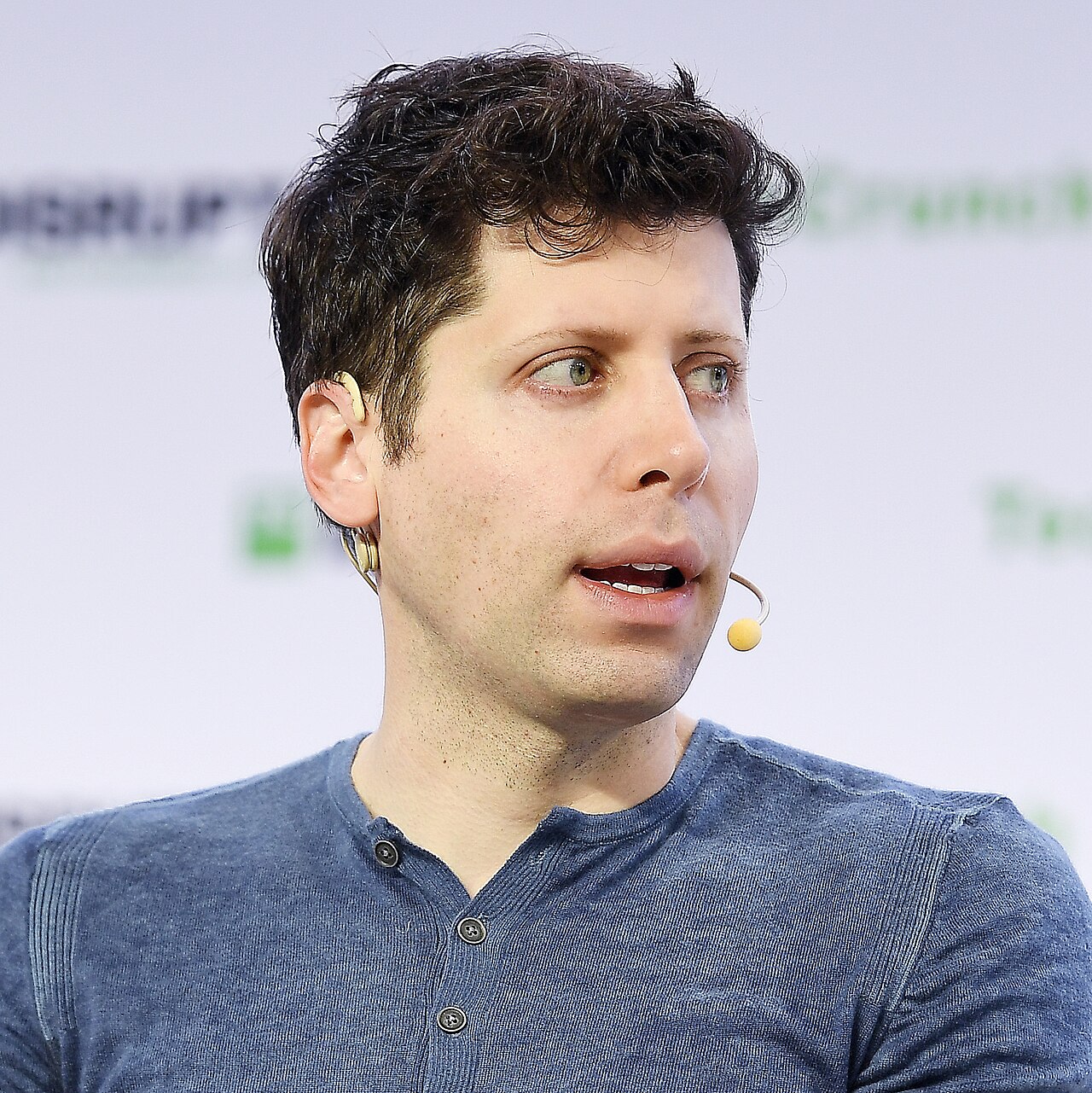
What a “Global AI Forum” Actually Does for the Leader Who Proposes It
Standards bodies aren’t neutral by accident — they’re built by whoever shows up first with the most resources to shape them, and then everyone else has to comply with rules written before they had a seat at the table. Altman explicitly modeled his proposal on IAEA and aviation-safety bodies, both of which were substantially shaped by the countries and companies most advanced in the underlying technology at the time they formed. A “U.S.-led” AI forum, launched by the CEO of a U.S. lab that’s currently playing defense against both a U.S. rival (Anthropic) and international competition (China’s Moonshot AI, among others), would put OpenAI in the room writing the compliance requirements everyone else — including the company currently beating it on revenue — has to meet.
That’s not a conspiracy theory. It’s how every standards body in history has actually worked. The IAEA’s founding members were disproportionately the nations that already had nuclear programs. Early aviation-safety rules were written by the countries that already had airlines. Being first to propose the referee role is a genuinely effective way to stay relevant even while losing the underlying competition.
Steelmanning Altman’s Case
To be fair to the proposal itself: AI safety concerns don’t stop being real just because the person raising them also benefits commercially. Altman isn’t wrong that AI capability is advancing without much coordinated international oversight, and a body modeled on aviation safety or nuclear oversight genuinely could reduce the risk of a reckless actor causing real harm. OpenAI, Anthropic, and Google DeepMind have all separately signaled they want oversight in some form — this isn’t a lone actor trying to grab power while everyone else objects. There’s a version of this proposal built in good faith, and dismissing it purely because of its timing would be its own kind of lazy cynicism.
But intent and effect can both be true at once. A proposal can be partly motivated by genuine safety concern and still be structured in a way that happens to entrench whoever proposes it first. Those aren’t mutually exclusive, and Altman’s specific framing — a forum that “makes the technology available to nations and companies that participate and follow the rules” — is explicitly about gatekeeping access, not just setting voluntary best practices.
Where This Leaves the Rest of the Industry
We’ve already covered the mechanics of the CEO alliance forming around AI regulation — what matters here is reading the incentives underneath the diplomacy. Anthropic and Google, both currently gaining ground, have far less reason to want a fast-moving standards body locked in right now; slower, more organic regulation tends to favor whoever’s still growing share. Watch who pushes hardest for speed on this proposal and who prefers a longer runway — that tells you more about each company’s actual market position than any public statement will.
Altman also confirmed OpenAI is willing to sell its models at a quarter of Anthropic’s pricing if that’s what it takes to hold share. A company confident in its underlying advantage rarely needs to compete that aggressively on price at the same moment it’s proposing to help write the rulebook. Both moves point the same direction: this is a company fighting on every front it can reach, and global governance is one more front, not a separate mission.
The Pattern to Watch For
None of this is unusual for a dominant player losing its lead — it’s a well-worn playbook across tech history. When a company senses its first-mover advantage eroding through pure product competition, the next move is often to shift the fight onto a battlefield where being first still counts for something: standards, compliance, regulatory relationships. It’s a more defensible position than trying to out-ship a faster-growing rival on capability alone, and it’s a strategy that doesn’t require Altman to be acting in bad faith — it only requires him to be acting rationally in his company’s interest, which is exactly what a CEO is supposed to do.
That’s the real reason this deserves scrutiny rather than automatic praise. Coverage of the proposal so far has largely taken the aviation-safety and IAEA comparisons at face value, treating the framing as self-evidently reasonable. But those comparisons were chosen by the person proposing the body, and they’re flattering ones — safety-focused, internationally respected, uncontroversial in retrospect. A more honest comparison might be to how early telecom or aviation *carriers* — not regulators — used standards-setting processes to raise the cost of entry for smaller competitors who couldn’t afford to participate in shaping the rules. Whether this AI forum ends up closer to the IAEA model or the incumbent-protection model will depend entirely on who’s actually in the room when the details get written, and right now, that room is being convened by the company with the most to gain from writing them favorably.
Deixe um comentário