Keurig K-Mini Plus Single Serve K-Cup Pod Coffee Maker
$103.99- Narrowest machine in this roundup at ~5 inches wide
- Brews in under a minute with minimal cleanup
- Travel mug friendly with internal pod storage
- Pod cost per cup is higher than ground coffee
- Strictly single-serve, no full-pot option
- Small reservoir means frequent refills
Bottom line: The Keurig K-Mini Plus is the best coffee maker for small kitchens thanks to its 5-inch footprint, sub-60-second brew time, and travel-mug clearance.
A 14-cup coffee maker looks great in a showroom. It looks a lot less great when it’s eating half your counter next to a microwave and a dish rack in a 60-square-foot kitchen. If you’ve ever shoved a coffee maker sideways just to close a cabinet door, the problem isn’t your kitchen — it’s that most machines are designed for square footage you don’t have.
Disclosure: DecodeGear may earn a commission if you buy through links below, at no extra cost to you.
Quick Verdict
| Model | Best for | Width | Price |
|---|---|---|---|
| Keurig K-Mini Plus | Smallest single-serve | ~5″ | ~$104 |
| BLACK+DECKER Single-Serve | Tightest budget | ~6″ | ~$27 |
| Capresso 5-Cup Mini | Couples who want a real pot | ~7″ | ~$45 |
| Gevi Compact Espresso | Espresso/latte drinkers | ~6″ | ~$119 |
| Hamilton Beach 12-Cup Compact | Families who still need volume | ~8″ | ~$63 |
Our overall pick is the Keurig K-Mini Plus — it’s the narrowest machine here, brews in under a minute, and its 39,000+ reviews are the highest volume of any pick on this list.
1. Keurig K-Mini Plus Single Serve — Smallest Footprint (~$104)
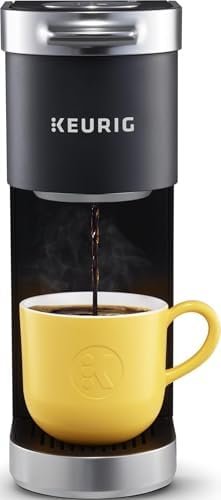
Width is the number that matters in a small kitchen, not capacity, and the K-Mini Plus wins on width. At roughly 5 inches wide, it fits in gaps most other machines can’t, and it stores up to 9 K-Cup pods internally so you don’t need a separate rack taking up counter space. It brews 6 to 12 ounces per cup and accepts a travel mug directly under the spout, which matters if your “kitchen” doubles as your commute prep station.
The tradeoff is the one every K-Cup machine shares: you’re paying a per-cup premium for pods, and the flavor ceiling is lower than a real drip pot or espresso shot. It’s also strictly single-serve — if you’re brewing for two people every morning, you’ll be running it twice.
Pros: Narrowest machine tested, sub-60-second brew, travel mug clearance, huge review base backing reliability.
Cons: Pod cost adds up, no full-pot option, small 12oz max reservoir means frequent refills if you’re not using a mug directly under it.
Score: 8.8/10 | Price: ~$103.99
2. BLACK+DECKER Single-Serve — Tightest Budget (~$27)
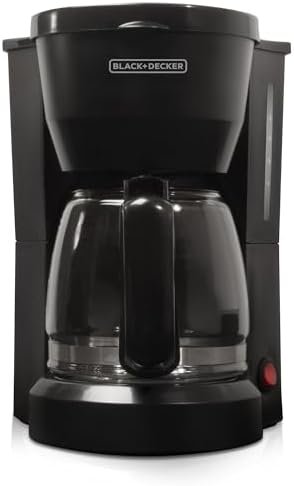
This is the machine to buy if you want a working coffee maker and nothing else. It skips the pod-storage tower and the digital display, and just brews — either K-Cups or your own ground coffee via the reusable filter, which the Keurig doesn’t offer without a separate adapter. The 50-ounce reservoir means you’re not refilling water every single cup, a genuine advantage over the K-Mini Plus.
Build quality is where the savings show. It’s mostly plastic, the drip tray is small, and it won’t survive being dropped. But for a dorm, a studio, or a guest-room kitchenette, it does the one job it needs to do.
Pros: Cheapest option here, works with ground coffee (not pod-locked), larger 50oz reservoir than most single-serve machines.
Cons: Plastic housing feels cheap, no auto-shutoff timer, water reservoir is difficult to remove for cleaning.
Score: 8.0/10 | Price: ~$26.99
3. Capresso 5-Cup Mini Drip — Best for Couples (~$45)
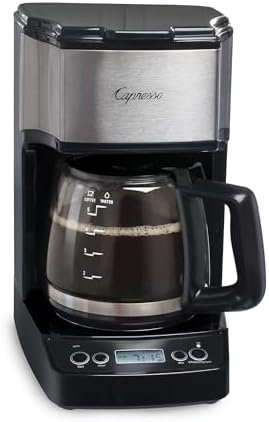
If you don’t want to be tied to pods at all, the Capresso is the pick. It’s a genuine drip machine — glass carafe, programmable digital clock, auto-shutoff — just built at two-thirds the size of a standard 12-cup unit. Five cups is roughly enough for two people’s morning coffee without brewing a pot that sits and goes bitter by 10am.
Reviewers consistently flag it as “surprisingly full-featured for the size” — the programmable timer and strength settings are usually reserved for larger machines. The glass carafe is also the one part of this list most likely to eventually break, so budget for a replacement a few years out.
Pros: Real drip coffee (not pods), programmable timer, auto-shutoff, small footprint without cutting features.
Cons: Glass carafe is breakable, 5 cups won’t stretch to a third person, warm plate can over-extract coffee left sitting too long.
Score: 8.5/10 | Price: ~$44.99
4. Gevi 20 Bar Compact Espresso Machine — Best for Espresso (~$119)
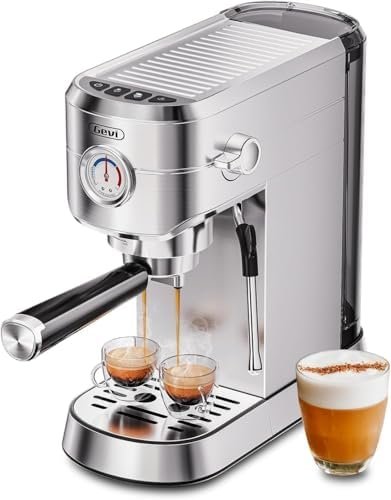
Every other machine on this list makes drip-style coffee. The Gevi is the only one that pulls a real espresso shot and steams milk, packed into a body narrow enough to sit under most upper cabinets. At 20 bars of pump pressure, it’s in the same performance class as entry-level machines twice its price, and the built-in pressure gauge helps you dial in shots instead of guessing.
The learning curve is real. Getting a good shot means learning grind size, tamping pressure, and the steam wand — none of which are instant like a pod machine. If you want espresso without a hobby attached, this isn’t the fastest path; if you’re willing to learn it once, it’s the best value way to get real espresso in a small kitchen.
Pros: Genuine 20-bar espresso pump, steam wand for lattes/cappuccinos, compact vertical design, pressure gauge for dialing in shots.
Cons: Learning curve for good extraction, water tank is small and needs frequent refills, no grinder included.
Score: 8.6/10 | Price: ~$118.99
5. Hamilton Beach 12-Cup Compact Programmable — Best for Families (~$63)
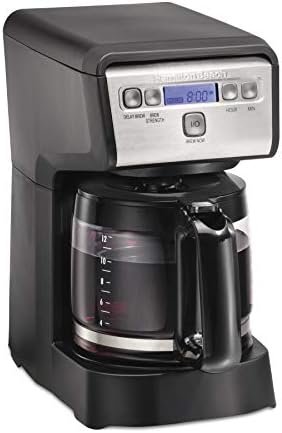
Sometimes a small kitchen still has a big household, and none of the single-serve or mini options above will keep up with four coffee drinkers before work. Hamilton Beach’s compact 12-cup solves that by keeping the footprint narrow while the carafe stays full-size — you get the volume of a standard machine without the standard machine’s width.
It’s programmable with a delay-brew timer, has adjustable strength control, and the borosilicate glass carafe is rated as drip-resistant, which matters more than it sounds like it should when your counter space doesn’t leave room for spills. It won’t win any design awards, and the plastic body shows its price point, but it’s the only machine here that can fill four mugs at once.
Pros: Full 12-cup capacity in a narrower body than typical, programmable delay-brew, adjustable strength, no-drip carafe design.
Cons: Still the tallest machine on this list, basic plastic build, fewest total reviews of the group (though rating holds at 4.3★).
Score: 8.1/10 | Price: ~$62.95
Which One Should You Buy?
If you live alone and just need a cup to get out the door, the Keurig K-Mini Plus is the easiest recommendation — it’s the narrowest machine here and the most reviewed by a wide margin. If you’re furnishing a first apartment on a tight budget, the BLACK+DECKER gets the job done for under $30 with no real downside at that price. Couples who actually care about coffee flavor over convenience should skip pods entirely and get the Capresso. If espresso and lattes matter more to you than drip coffee, the Gevi is the only machine on this list built for that — just expect to spend a few weekends learning it. And if you’re outfitting a small kitchen that still needs to serve a full household, the Hamilton Beach is the one machine here that won’t leave anyone without a cup.
Counter space isn’t the only small-kitchen constraint worth planning around — if you’re also short on desk or office space, our budget home office setup guide covers the same width-first approach for furnishing a tight room without overspending. And if mornings in your house involve breakfast as much as coffee, our guide to picking a family-size air fryer applies the exact same small-kitchen math to a different appliance.
Frequently Asked Questions
What’s the narrowest coffee maker for a small kitchen?
Of the machines here, the Keurig K-Mini Plus is the narrowest at roughly 5 inches wide, followed closely by the BLACK+DECKER single-serve and the Gevi espresso machine at around 6 inches.
Are single-serve coffee makers cheaper to run than drip machines long-term?
No — pods typically cost 50-75 cents each, which adds up to more per cup than ground coffee brewed in a drip machine like the Capresso or Hamilton Beach over time. Single-serve wins on convenience and space, not on cost per cup.
Can a compact coffee maker still brew enough for a family?
Yes, but capacity and width are a tradeoff. The Hamilton Beach 12-cup keeps a narrower profile than most full-size machines while still brewing a full pot, making it the best compromise if you need volume in a small kitchen.
Do I need a grinder for the Gevi espresso machine?
Yes, it doesn’t include one. You’ll need pre-ground espresso-fine coffee or a separate burr grinder to get consistent shots — factor that into your budget if you’re new to espresso.
Leave a Reply