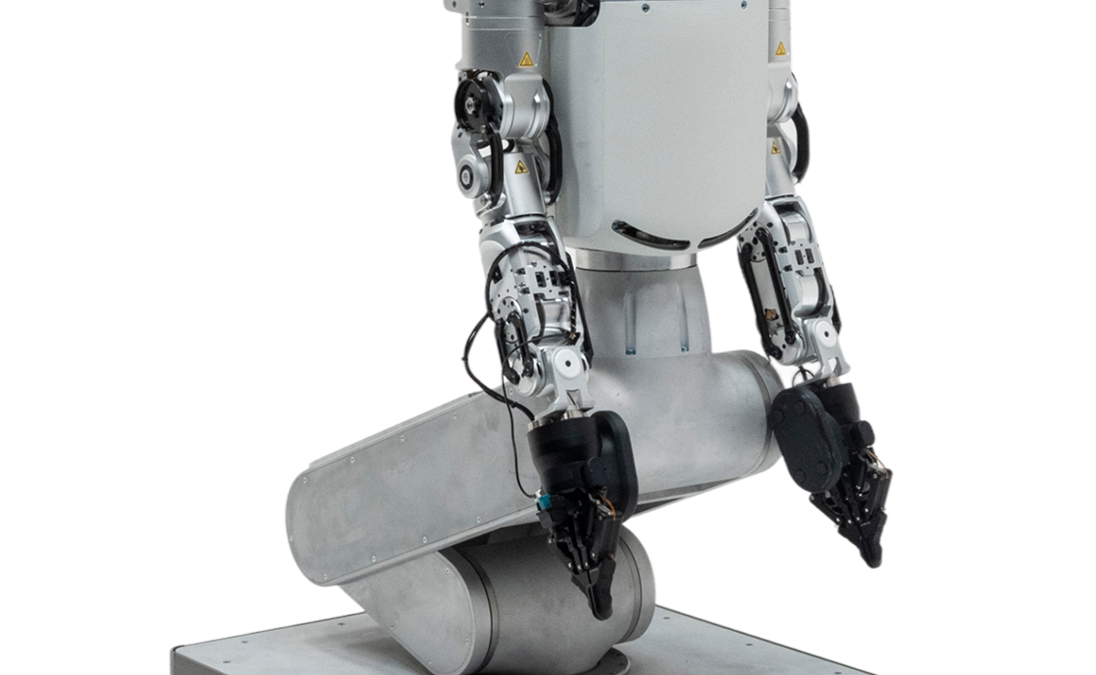
A London robotics startup called Humanoid has raised $150 million in the first tranche of a Series A round, valuing the company at $1.2 billion before the new money lands, according to The Information. The company is already back out fundraising — it’s seeking another $80–100 million by September — and the round matters less for the dollar figure than for who’s backing the hardware behind it: Bosch.
What Humanoid Actually Builds
The company’s robot, the HMND 01 Alpha, is a 220cm wheeled mobile manipulator with 29 active degrees of freedom, a 15kg dual-arm payload, and a top travel speed of 7.2 km/h. A bipedal variant is in development, but the wheeled version is what’s already being trialed in warehouses, logistics hubs, and retail environments under a robots-as-a-service model — customers rent access rather than buy the hardware outright. Humanoid says it built the Alpha in seven months, a fast timeline even by the accelerated standards of the current robotics boom.
The manufacturing detail is the part worth paying attention to. Bosch has agreed to contract-manufacture HMND 01 units for the European market, with automotive supplier Schaeffler providing components — industrial backing that reads differently than another VC round stacked on top of a demo video. A Beta generation is scheduled for Q3 2026.
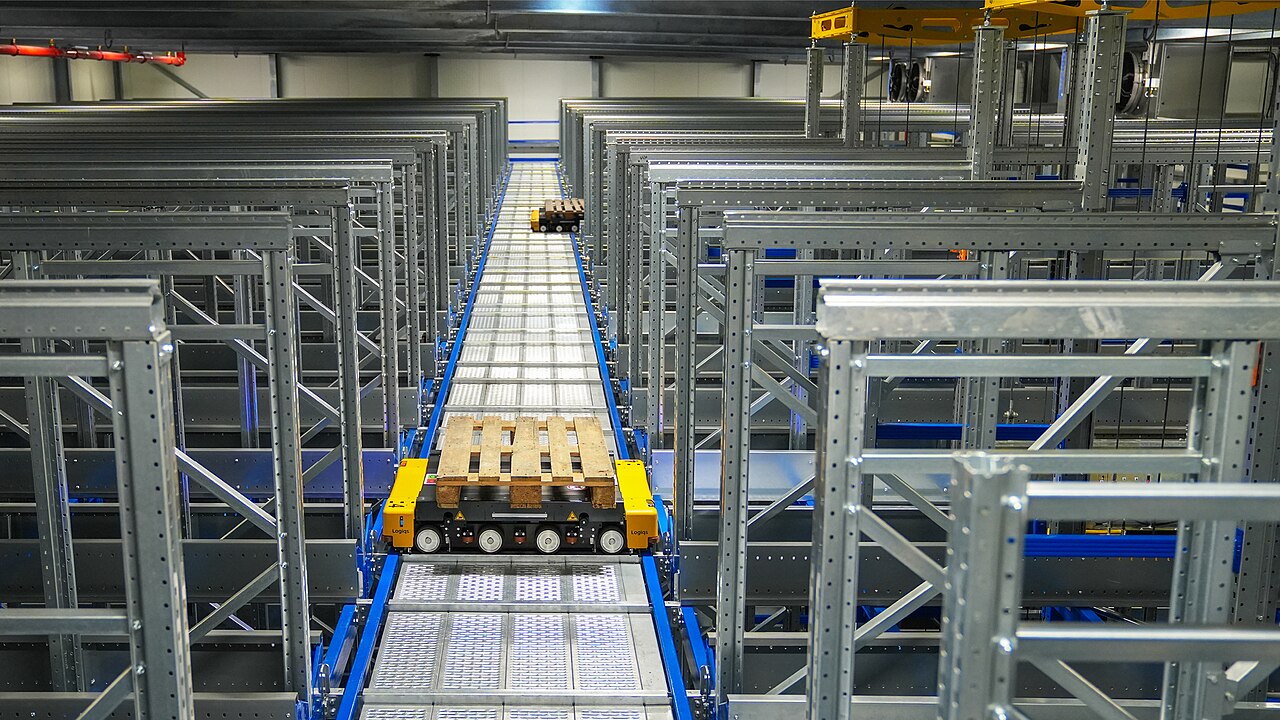
The wheeled base is a deliberate choice, not a placeholder. Bipedal humanoid robots are still slower and less stable than wheeled ones in the kind of flat-floor warehouse and retail environments Humanoid is targeting first — walking gets the headlines, but rolling gets the job done sooner. That’s a similar sequencing bet to the one several competitors have made: ship a working wheeled or hybrid platform for real paid pilots now, and layer bipedal mobility on top once the arms, grip, and AI reasoning are proven in the field. Humanoid’s 15kg dual-arm payload and interchangeable end-effectors point at exactly that kind of warehouse-first use case — picking, sorting, and moving goods rather than walking a showroom floor.
Where This Fits in the Humanoid Robot Race
Humanoid enters a field that’s currently led, by most measures, by Figure — the only major humanoid robotics company with a paying external customer, BMW, running its hardware on a factory floor today. Tesla’s Optimus, by contrast, has announced zero external customers as of mid-2026 despite years of public demos. Unitree, meanwhile, is playing a different game entirely, undercutting both on price the way Chinese manufacturers reshaped the drone and EV markets before it.
2026 has been described by Crunchbase as a record year for robotics venture funding, and Humanoid’s raise is one more data point in that surge — notable mainly because it’s a UK company in a race that’s so far been dominated by US and Chinese players. Founder Sokolov has told Reuters the company already holds 34,000 pre-orders, a figure that’s worth noting but hasn’t been independently verified — it’s the company’s own claim, not a confirmed sales number. Sokolov has also floated a 2029 or 2030 IPO, which would put Humanoid on a timeline similar to other AI-hardware bets currently working their way toward public markets — we covered the mechanics of one of the biggest of those in our look at Anthropic’s reported mega-IPO.
Why It Matters
Robots-as-a-service is the model to watch here more than the valuation number itself. If warehouses and retailers can rent a humanoid robot the way they’d rent a forklift, the adoption curve looks very different than one where every customer needs capital budget to buy hardware outright. That’s the bet Bosch is apparently making by signing on to manufacture — not that consumers will want a humanoid robot, but that logistics operators will pay monthly for one long before that happens. Not every richly-valued robotics or AI hardware bet plays out that way — plenty of high-valuation raises this year have run into the same skepticism we’ve seen play out in SpaceX’s post-IPO stock slide, where a big valuation on paper didn’t guarantee the market agreed once trading started.
The Beta generation due in Q3 2026 will be the first real test of whether Humanoid can scale past its current pilot programs before the additional funding round closes in September. Until then, the 34,000-pre-order figure and the 2029/30 IPO timeline remain claims to track rather than confirmed milestones — worth watching, not yet worth banking on.
Deixe um comentário