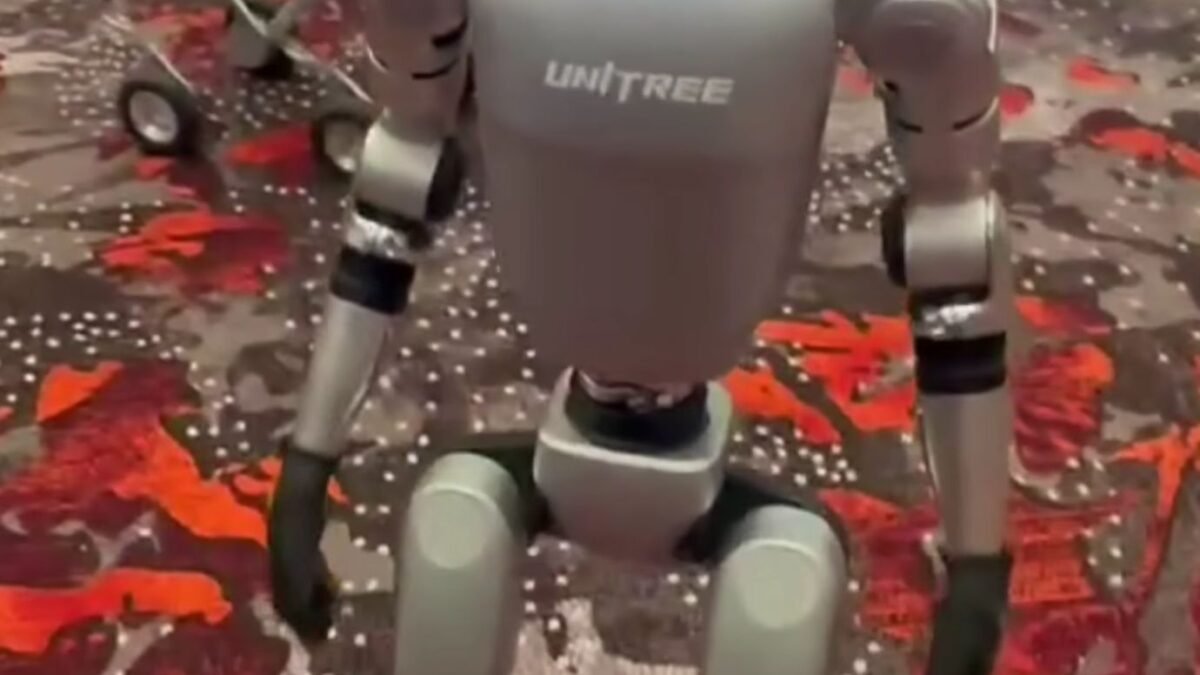
Unitree Robotics, the Chinese humanoid robot maker best known for its dancing and backflipping machines, is set to begin trading on Shanghai’s STAR Market this week after its IPO drew retail demand for 8,289 times the shares on offer — one of the largest oversubscription figures the tech-focused exchange has recorded.
The company priced its offering at 150.80 yuan per share (about $22), implying a total valuation near 61 billion yuan, or roughly $9 billion. Unitree issued about 40.45 million shares — 10% of its enlarged capital — to raise 6.1 billion yuan, close to $900 million, according to filings reported by Yahoo Finance and TS2.tech. The subscription window closed August 12, and the trading debut is expected between August 17 and 21 under ticker 688836.
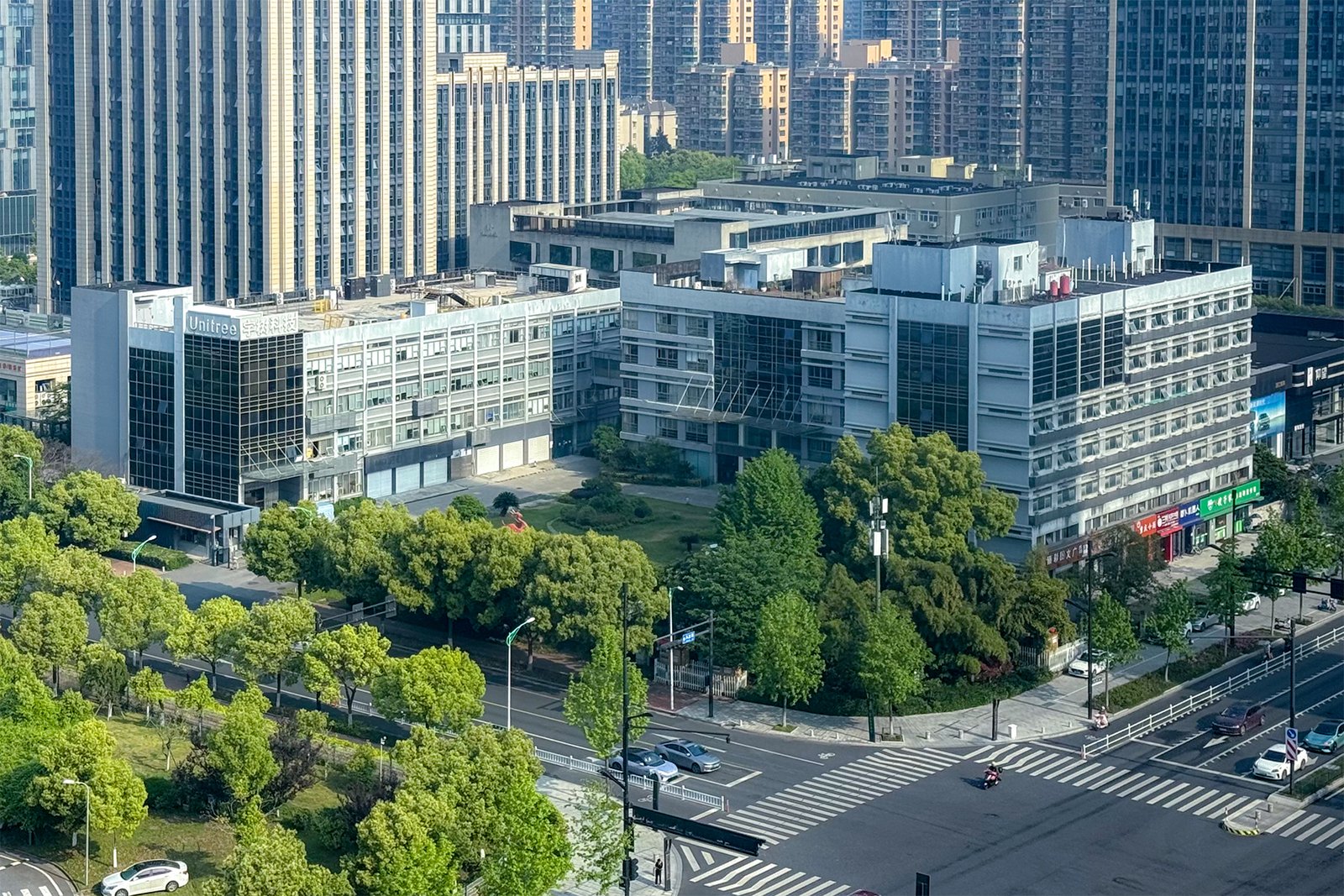
Why Investors Are Chasing a STAR Market Robot Maker
Unitree is already the world’s top humanoid robot maker by sales volume, and its listing arrives as China pushes to build domestic champions in robotics the way it did with EVs. Retail investors bidding at these odds — roughly 0.018% chance of an allocation per the reported subscription math — signals the kind of speculative demand usually reserved for AI infrastructure stocks, not industrial robotics.
That’s the real story here: humanoid robots have gone from research demos to a retail-investor gold rush in about two years, and Unitree’s STAR Market debut is the clearest price signal yet of how far that enthusiasm has run.
Unitree built that sales lead on a product line that spans both humanoids and quadrupeds — the G1 and H1 humanoid robots aimed at research labs and industrial pilots, alongside the Go2 and B2 quadrupeds that have found buyers in inspection, security, and hobbyist robotics. That range is part of the investment case: unlike rivals betting everything on humanoid form factors reaching commercial viability first, Unitree already has recurring revenue from robots doing narrower, already-solved jobs.
The Numbers Behind the Hype
The offering values Unitree at roughly 219 times its projected 2025 earnings and 36 times sales — multiples that would be aggressive even for a fast-growing software company, let alone a hardware manufacturer building physical machines with real material costs. For comparison, publicly traded industrial robotics firms typically trade in the 20–40x earnings range.
Unitree isn’t the only company riding this wave. A London-based humanoid robotics startup recently raised $150 million at a $1.2 billion valuation — a fraction of what Unitree just commanded, which underlines how much of a premium Chinese public markets are currently placing on the category specifically.
The Catch: Even Unitree Admits Its Robots Aren’t There Yet
Per reporting from TechTimes, Unitree’s own IPO filing includes risk-disclosure language acknowledging that its humanoid robots are not yet capable of performing real, sustained commercial labor at scale — the kind of caveat regulators require companies to state plainly, even when it undercuts the pitch investors are buying into. It’s a detail easy to miss in an oversubscription headline, but it’s the clearest gap between where humanoid robotics marketing is and where the hardware actually stands today.
That tension — massive investor appetite versus a technology still short of its own sales pitch — isn’t unique to Unitree. It’s the same dynamic playing out across autonomous systems more broadly, including the wave of investor enthusiasm hitting self-driving and robotics ventures even as individual products hit real-world snags.
What Happens Next
If Unitree’s debut trades up sharply — common for STAR Market listings with this level of oversubscription — expect a fresh round of humanoid robotics funding announcements globally, as competitors point to the valuation as proof of investor appetite. If it stumbles instead, it becomes the first real stress test of whether public-market enthusiasm for humanoid robots can survive contact with quarterly earnings reports. Either way, Unitree’s ticker (688836) is now the closest thing the sector has to a public benchmark — the number analysts and competitors alike will point to the next time someone asks what a humanoid robot company is actually worth.
For everyday buyers, none of this changes what’s on shelves today — Unitree doesn’t sell direct-to-consumer humanoid units, and its quadrupeds remain a niche, expensive category. But the valuation Shanghai just put on the sector is a signal worth watching: it’s the clearest sign yet that public markets, not just venture capital, are now pricing in a near-term humanoid robotics payoff. Whether that bet pays off depends on hardware catching up to the pitch, not the other way around.
Leave a Reply