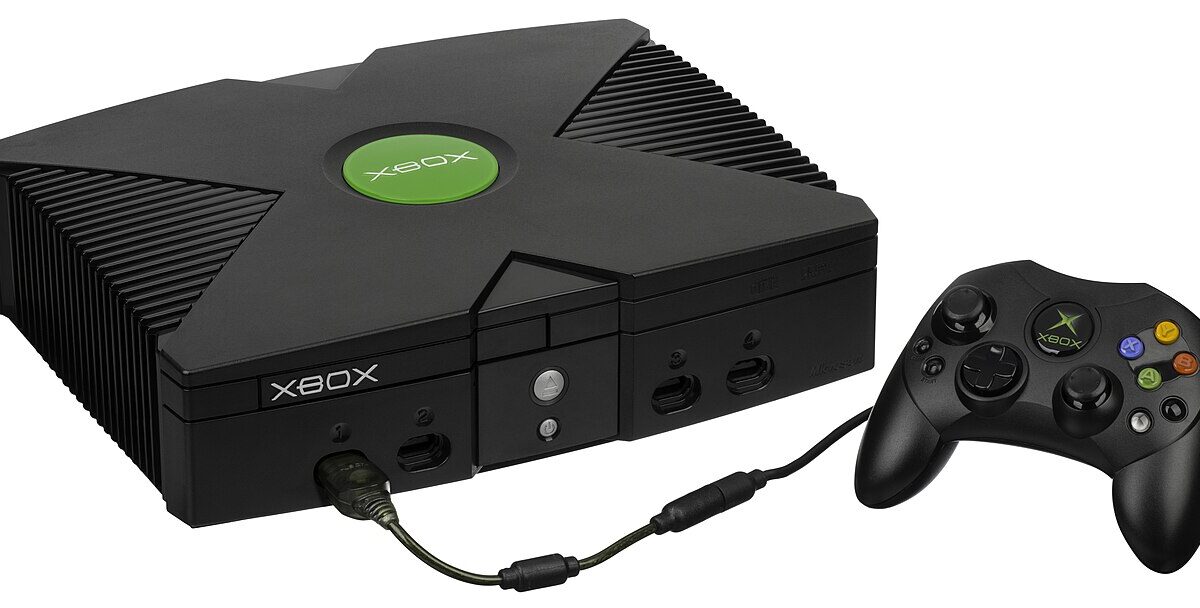
Somewhere in a landfill of early-2000s tech nostalgia, there’s a very specific kind of person who never got over the original Xbox’s translucent green shell. Microsoft just bet that there are enough of them to build a console around. The Xbox Series X25 — announced at June’s Xbox Games Showcase and due sometime in November — wraps the current Series X hardware in the same see-through emerald plastic that made the 2001 original look like it was smuggled out of a rave. It’s not a reissue of old hardware. It’s a costume change for the exact same console Microsoft has been selling since 2020, and understanding why that costume matters means going back to a design trend the industry basically abandoned.
What the Xbox Series X25 Actually Is
Strip away the finish and it’s mechanically identical to the Xbox Series X already on shelves: same 1TB SSD, same performance, same everything under the hood. What changes is entirely cosmetic — a translucent green shell inspired directly by the original Xbox’s case, paired with a matching special-edition controller that brings back the four-color face buttons (blue, red, yellow, green) that defined the OG Xbox controller layout. Microsoft is treating this explicitly as an anniversary tribute rather than a hardware refresh, timed to the 25th anniversary of the original console’s November 2001 launch.
Why Translucent Green Meant So Much to the Original Xbox Generation
See-through plastic wasn’t just an Xbox thing in the early 2000s — it was a whole design language. The iMac G3 did it in candy colors. The GameCube shipped in “Indigo,” a smoked purple you could half-see the internals through. Game Boy Color had entire lines of clear shells. The pitch was the same everywhere: technology stopped hiding what it was made of and let you look inside, at a moment when “what’s actually in this box” felt like part of the appeal rather than something to be styled away. The original Xbox’s green was specifically loud about it — a deep, glowing emerald that looked like nothing else on a shelf full of beige PCs and matte gray consoles. For a console generation raised on that aesthetic, seeing it return isn’t just nostalgia bait. It’s a design language modern consoles quietly gave up on entirely, in favor of matte black boxes that all start to blur together.
How Microsoft Brought the Look Back Without the Bulk
Here’s the part that’s actually interesting from an engineering standpoint: the original Xbox was a genuinely enormous console, built around a repurposed PC architecture that needed all the room a giant case could give it. The Series X is dramatically smaller and denser — modern SoC design means Microsoft doesn’t need anywhere near that footprint anymore. So the X25 isn’t a faithful recreation of the old case; it’s the current, compact Series X tower reinterpreted in the old material and color, which is really a demonstration of how far hardware has shrunk in 25 years disguised as a nostalgia play. The controller gets the more literal treatment, since a controller’s ergonomics haven’t changed nearly as much as console internals have — that one genuinely can pass for a modern remake of the 2001 original.
Price, Release Window, and What’s Still Unconfirmed
Microsoft has confirmed the design, the anniversary framing, and a November 2026 window in “select markets” — and not much else yet. No official price has been announced for either the console or the controller. Early estimates circulating from outlets tracking past Xbox limited editions put the console somewhere in the $699–$749 range and the controller around $89.99, both consistent with what previous Xbox special editions have cost at launch, but neither number is confirmed by Microsoft. A specific pre-order date hasn’t been set either — retailers are expected to open pre-orders “soon,” which in console-launch language usually means anywhere from a few weeks to a couple of months out. Anyone tempted to buy based on a specific number they saw online right now should treat it as an estimate, not a listing.
How This Stacks Up Against Other Console Anniversary Editions
Console makers have tried this play before, with mixed results. Sony’s anniversary hardware has leaned toward subtle: gray-and-silver color schemes and small etched logos, elegant but forgettable enough that most players couldn’t pick one out of a lineup a year later. Nintendo tends to go the opposite direction with themed limited runs tied to specific franchises rather than the hardware’s own birthday — gold Zelda controllers, Pokémon-branded Switch units — which sell out fast but say more about the game than the console itself. What makes the X25 different is that it’s reviving the actual, literal industrial design of the original hardware rather than just slapping a commemorative color on the current box. It’s less “special edition” in the usual sense and more a genuine callback — closer to a car company bringing back a discontinued body style than a company adding a paint job. That distinction is probably why it’s generating more genuine excitement among longtime fans than a typical anniversary SKU would: it’s not just gesturing at nostalgia, it’s actually rebuilding the thing people remember.
What This Says About Microsoft’s Console Strategy Going Into Year 25
Limited-edition hardware is cheap marketing compared to building new silicon, and Microsoft is leaning on it hard this console generation — it’s not coincidental that this anniversary console lands in the same year Microsoft has been testing ad-supported cloud streaming as a way to get more people playing Xbox titles without buying more Xbox hardware. Nostalgia hardware and cloud expansion look like opposite strategies, but they’re solving the same problem from different ends: one gets new people into the ecosystem cheaply, the other gives the existing fanbase a reason to spend on something more than an incremental refresh. That’s arguably a more realistic strategy than trying to out-spec the competition — especially in a generation where Nintendo Switch 2 has already outsold the PS5’s entire first year on the strength of software and identity rather than raw power. Meanwhile Sony is playing a much more conventional hand, keeping its live-service game lineup moving instead of leaning on retro design. Twenty-five years in, the console war has quietly become less about who’s fastest and more about who tells the better story with the box the hardware ships in.
Whether the X25 actually moves the needle for Microsoft or ends up as a collector’s shelf piece next to an actual 2001 Xbox, it’s a rare admission from a hardware company that the old design was better-loved than anything they’ve shipped since — and that sometimes the smartest move is just bringing it back.
Deixe um comentário