DecodeGear is reader-supported. We earn a small commission if you buy through our links — at no extra cost to you. We never accept paid reviews.
Here’s the secret the espresso machine aisle doesn’t want you to know: espresso extracts at 9 bars of pressure. Not 15. Not 19. Not 20. Every “20-bar” machine on this list regulates down to 9 — the number on the box is an arms race of irrelevance. What actually separates a great $130 machine from a frustrating one is workflow: how it heats, how it steams, and what it demands from you. We ranked the five machines under $200 that get the parts that matter right.
The Tier List at a Glance
| Rank | Machine | Price | Best For |
|---|---|---|---|
| #1 | De’Longhi Stilosa | $109 | Best overall — learning machine |
| #2 | Casabrews 3700 Essential | $129 | Best semi-auto value |
| #3 | Nespresso Essenza Mini | $179 | Zero-effort capsules |
| #4 | Gevi 20 Bar | $139 | Smallest footprint |
| #5 | Mr. Coffee One-Touch CoffeeHouse | $169 | One-touch lattes |
#1 — Best Overall: De’Longhi Stilosa
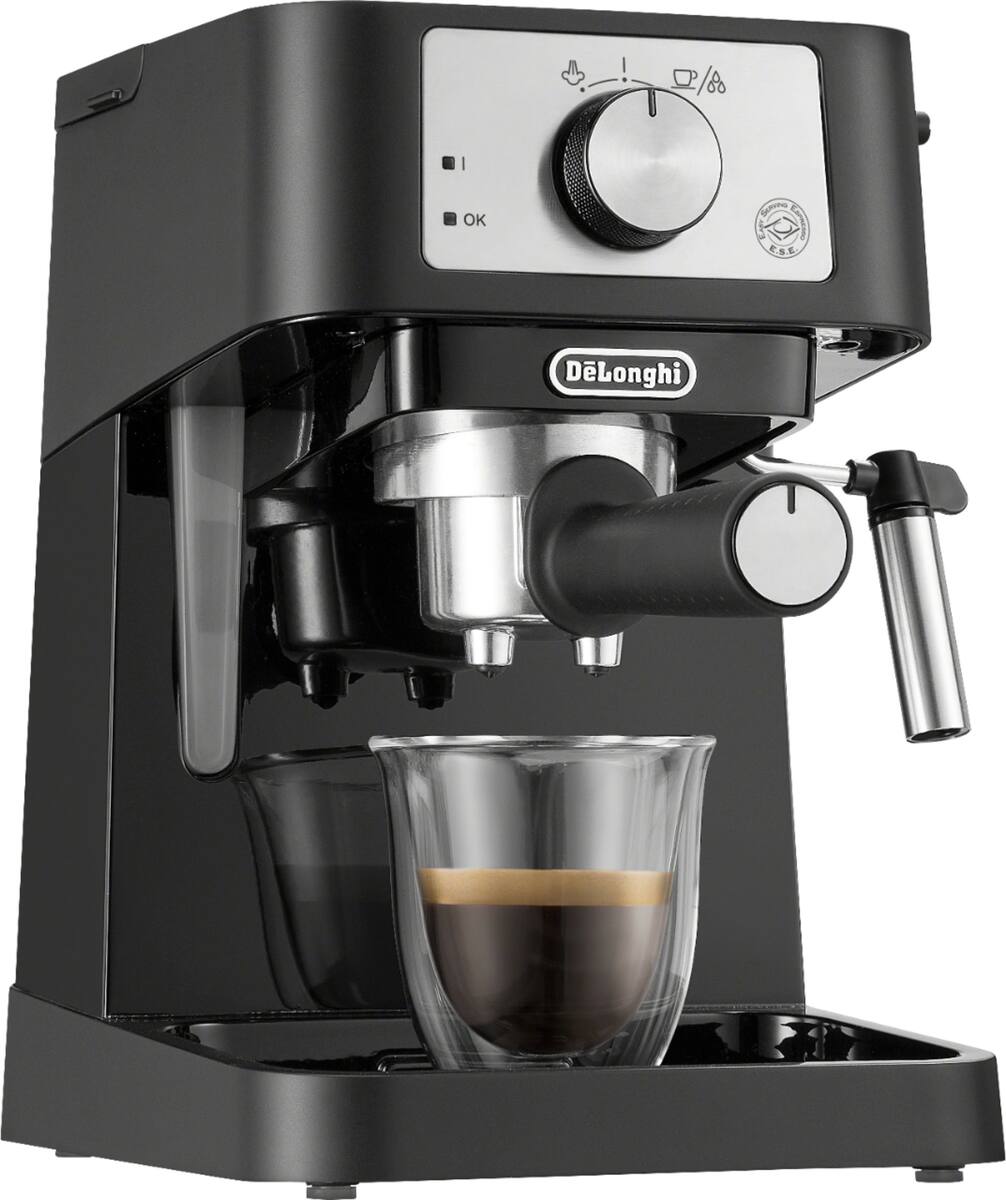
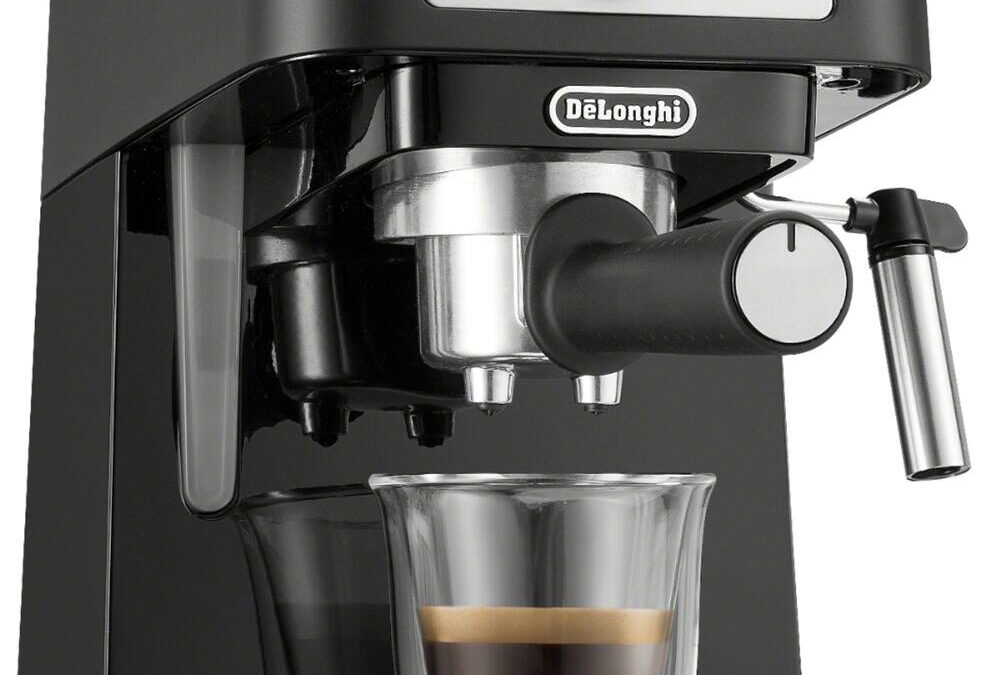
The Stilosa wins because it’s the cheapest ticket into real espresso — manual workflow, real steam wand, stainless boiler — from a brand that’s been building these machines since before “barista” was a career. The 51mm portafilter is the quiet superpower: there’s a whole aftermarket of bottomless portafilters, precision baskets and dosing tools for it, so the machine grows with your skills instead of capping them.
The trade-offs are honest ones: the body is plastic, the drip tray is comically small, and there’s no temperature control — your third shot will run hotter than your first. It’s also not quiet. But at $109, nothing else teaches you actual espresso technique with this little financial risk. Over 1,200 Best Buy reviewers average it at 4.4 stars for exactly that reason.
Buy it if: you want to learn espresso for real, with an upgrade path instead of a dead end.
Check the De’Longhi Stilosa on Amazon →
#2 — Best Semi-Auto Value: Casabrews 3700 Essential
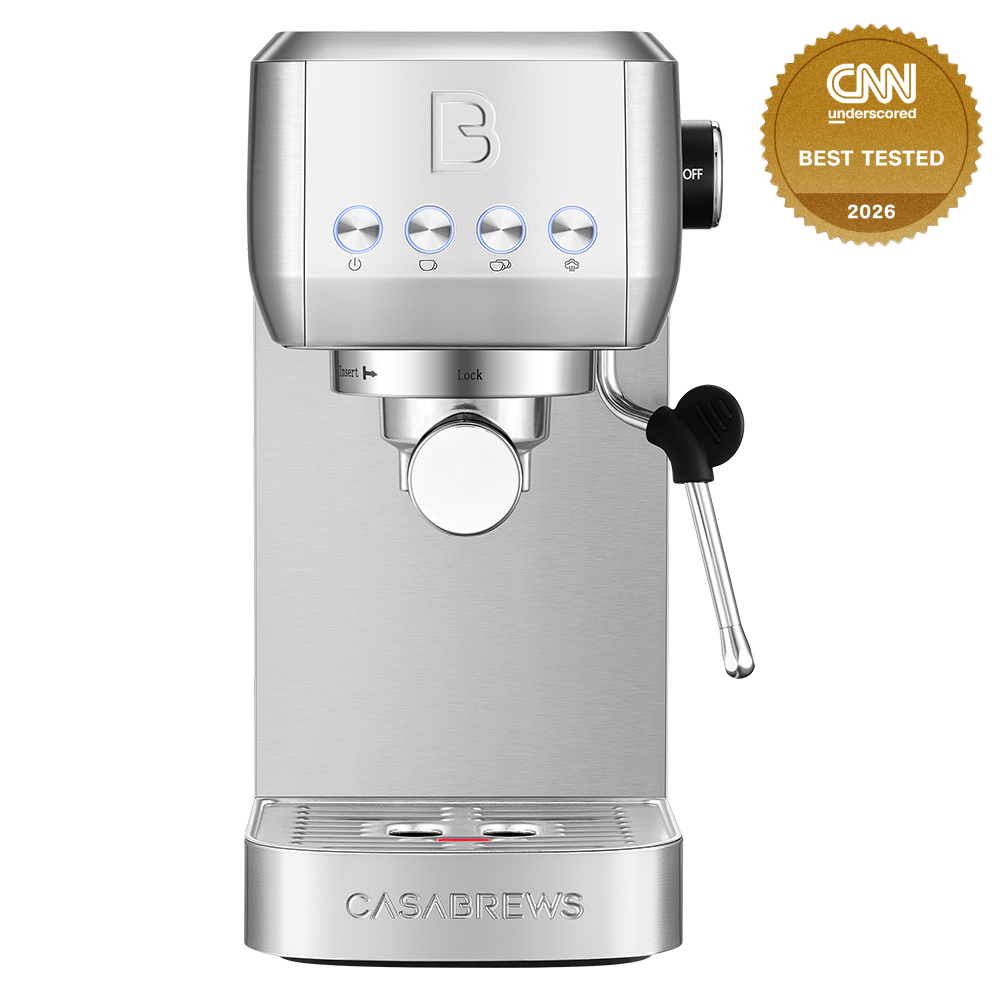
Tom’s Guide called the 3700 Essential “too good to be this cheap” after it outperformed machines well above its bracket — and the steam wand is why. It produces genuine latte-art-grade microfoam, something no other machine on this list manages, while the 43.9 oz removable tank means you’re not refilling after every second drink.
The dissent matters too: TechRadar found extraction inconsistent, and both takes are right. The 3700 ships with pressurized baskets that mask grind problems — feed it stale pre-ground and it makes acceptable espresso; feed it fresh, well-ground beans and it makes good espresso. The machine reflects what you put in. No milk jug in the box is a cheap omission.
Buy it if: milk drinks are your priority and you want the best steam under $150.
Check the Casabrews 3700 Essential on Amazon →
#3 — Best Zero-Effort: Nespresso Essenza Mini
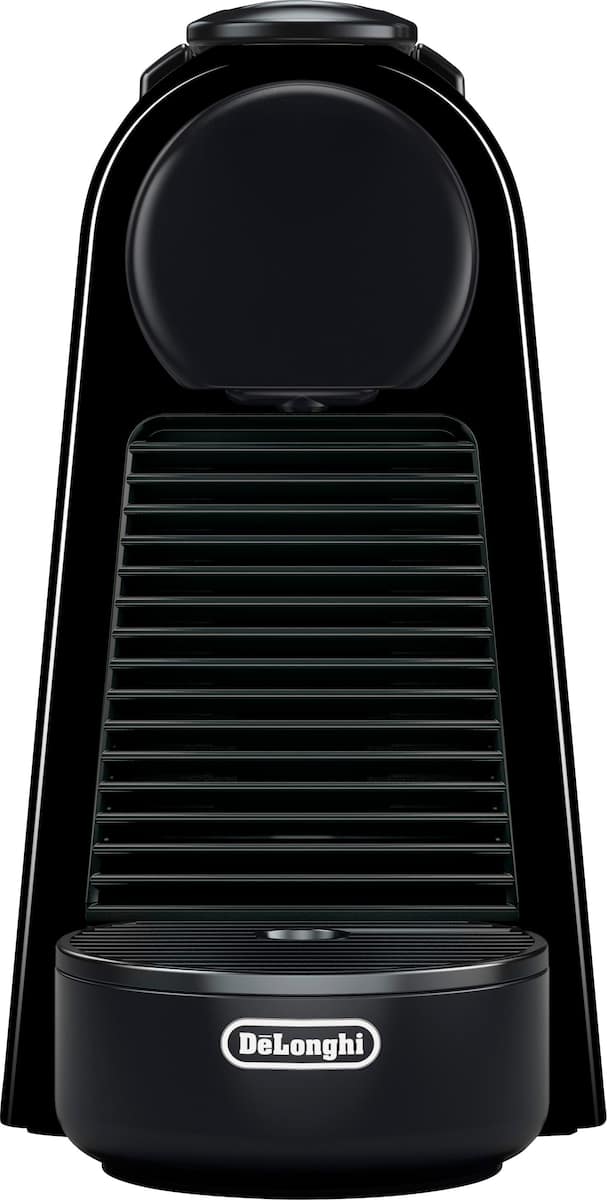
The Essenza Mini is the honest answer for a different question: “I want espresso-ish coffee in 60 seconds with zero skill, zero mess, zero learning curve.” It heats in 25 seconds, pulls a consistent capsule shot with thick crema, and occupies less counter than a toaster. As an appliance, it’s nearly perfect.
The math is the catch. Capsules run $0.80–$1.20 each — one shot a day is $300–$430 a year, every year. Within 18 months the “cheap” machine costs more than a Stilosa plus a quality grinder and two years of beans. And purists are right that capsule crema is manufactured, not extracted. You’re buying convenience on subscription.
Buy it if: consistency and speed beat cost-per-cup and craft for you.
Check the Nespresso Essenza Mini on Amazon →
#4 — Best Compact: Gevi 20 Bar
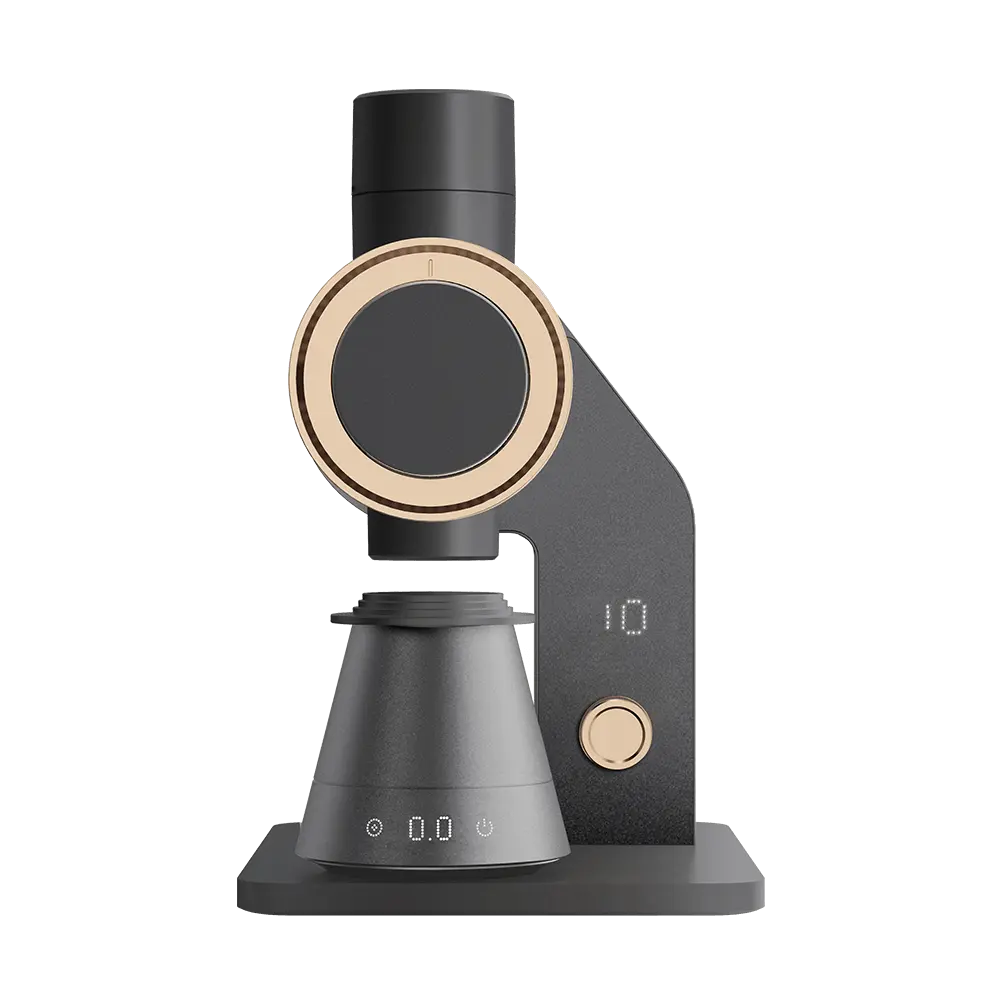
The Gevi packs a respectable shot and a working steam wand into the smallest semi-auto footprint here, with an auto-shutoff that kills the power after 15 idle minutes. For a dorm, an office kitchenette or an RV, that size argument is real.
It’s also where the cost-cutting shows. The boiler needs a full minute to switch from brewing to steaming — an eternity when your shot is cooling. Buttons flex when pressed, panels don’t sit quite flush, and a visible minority of owners report failures within the first year. It earns its rank on footprint, not longevity.
Buy it if: counter space is your binding constraint and you accept the speed penalty.
Check the Gevi 20 Bar on Amazon →
#5 — Best One-Touch Milk: Mr. Coffee One-Touch CoffeeHouse
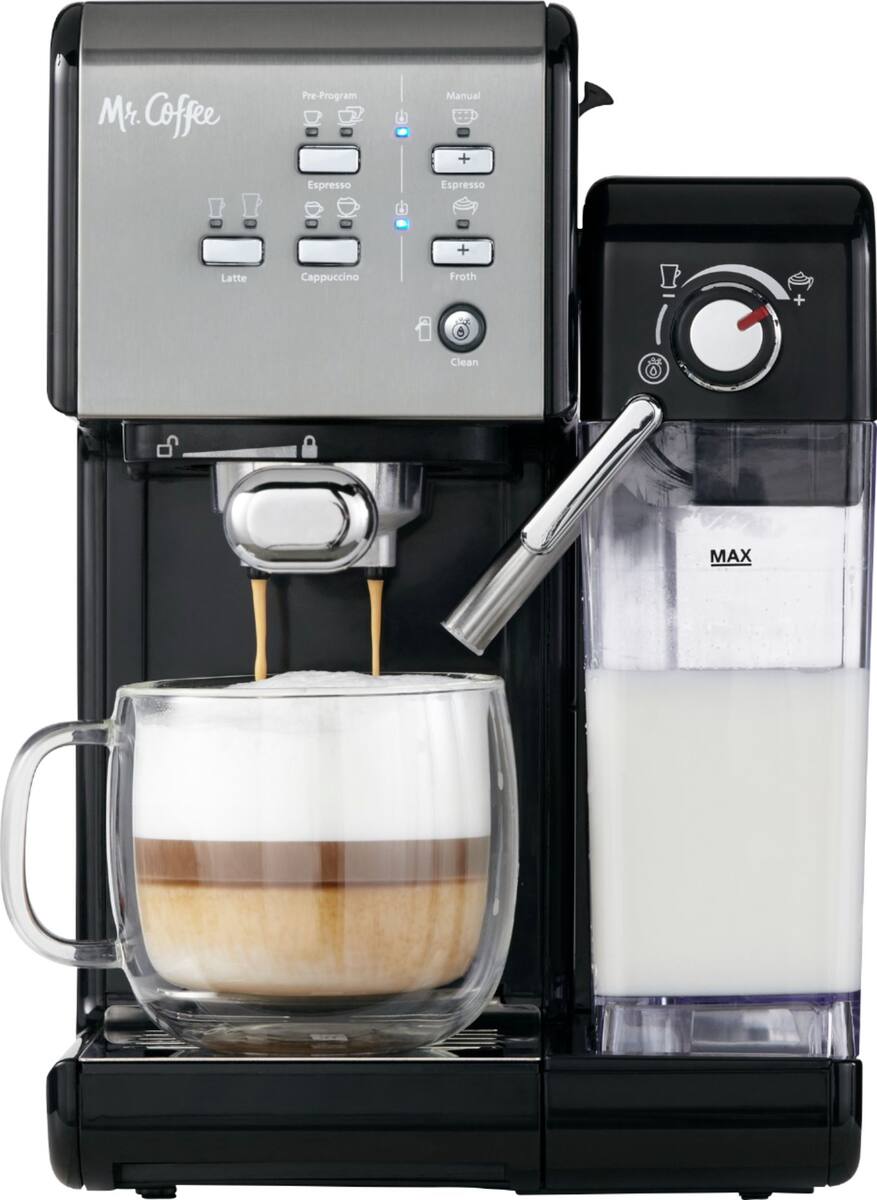
This is the machine for the latte drinker who will never, ever steam milk manually. Press one button and it grinds through the whole program: shot, frothed milk, done. The 18 oz milk reservoir detaches and lives in the fridge between drinks — genuinely clever.
Know what you’re trading: the auto-frother makes warm airy foam, not the dense microfoam a manual wand produces, and the milk circuit adds parts that need cleaning after every session or they sour. The espresso underneath is mid-pack. As a latte appliance, though, nothing under $200 is this effortless.
Buy it if: your order is “latte, minimal effort” and foam texture isn’t a hill you’d die on.
Check the Mr. Coffee One-Touch CoffeeHouse on Amazon →
What the Box Doesn’t Tell You
The bar-pressure number is theater. Espresso extracts at 9 bars. The 15/19/20-bar pump ratings are maximums the machine never uses at the group head. Ignore the number entirely.
Your grinder matters more than your machine. A $200 machine fed blade-ground or stale pre-ground coffee loses to a $100 machine fed fresh burr-ground beans — every time. Budget machines hide this with pressurized baskets that fake crema. If you’re serious, budget for a burr grinder before upgrading the machine.
No sub-$200 machine has temperature control. PID controllers start around $400. Below that, shot temperature drifts between pulls — the single biggest consistency gap between these machines and prosumer gear.
Which Should You Buy?
- Want to learn real espresso: De’Longhi Stilosa — $109 and an upgrade path.
- Milk drinks daily: Casabrews 3700 Essential — best microfoam under $150.
- Zero effort, small space: Nespresso Essenza Mini — just budget for capsules.
- Tiniest counter: Gevi 20 Bar.
- One-touch lattes: Mr. Coffee One-Touch CoffeeHouse.
Frequently Asked Questions
Is a cheap espresso machine worth it?
Under $200 buys real espresso in 2026 — if you pair it with decent beans and a burr grinder. The machines that disappoint are usually victims of pre-ground supermarket coffee, not their own hardware.
Do I need a grinder for an espresso machine?
For capsule machines, no. For everything else: a burr grinder improves your espresso more than any machine upgrade at this price. Blade grinders physically cannot produce the consistent fine grind espresso requires.
Is Nespresso real espresso?
Technically it’s high-pressure capsule coffee with generated crema — purists say no, pragmatists don’t care. It’s consistent, fast, and closer to espresso than any drip method. The real issue is capsule cost, not authenticity.
The espresso aisle wants you anxious about bars and watts. Ignore both. Pick the workflow you’ll actually live with — manual craft, semi-auto balance, capsule convenience, or one-touch milk — and put the savings into fresh beans and a burr grinder. That’s where the flavor actually comes from.
Deixe um comentário