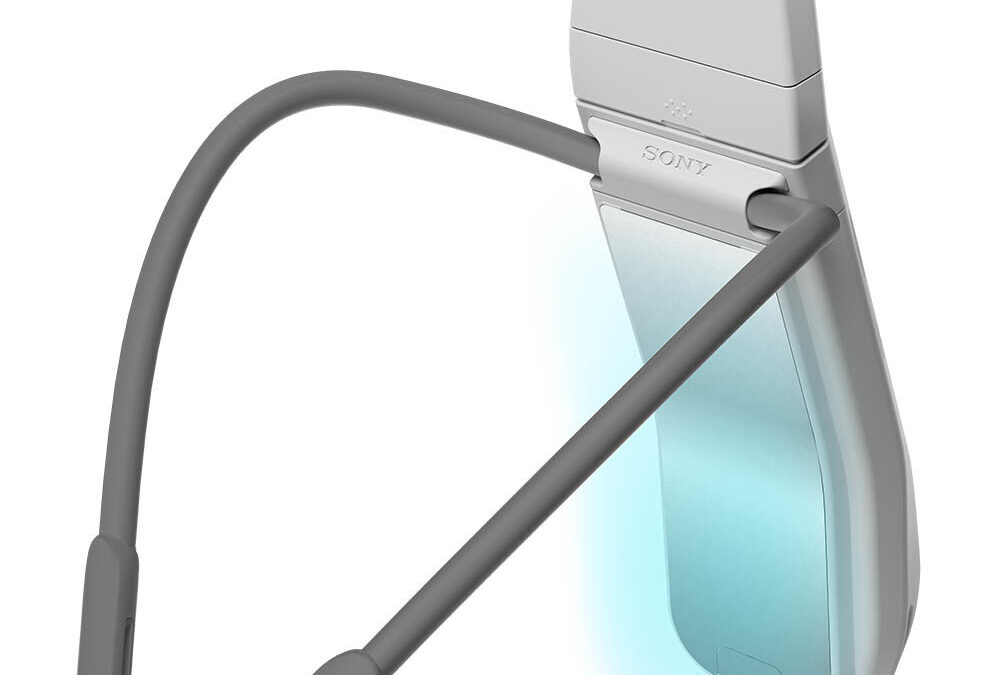
Picture the weirdest tech pitch of the summer: a $260 collar that hugs the back of your neck, runs zero air across your face, and claims to make a 95-degree afternoon feel bearable. No fan blades. No spray bottle. Just a cold plate pressed against your spine. Sony has been quietly refining this idea for years, and this month the latest version — the Reon Pocket Pro Plus — finally started shipping to US customers. The question everyone reasonably asks first: does a device with no visible airflow actually cool you down, or is this just an expensive placebo?
Sony isn’t new to this category — earlier Reon Pocket models have shipped in Japan since 2019 — but the Pro Plus is the first version getting a real US retail push, and it’s arriving as pre-orders opened for $259.99 through Sony’s own online store, with shipments landing through late July. That timing isn’t an accident. It’s launching squarely into a run of brutal 2026 heat waves, the same stretch of weather that’s had people Googling “how to keep my apartment cool” and “best portable AC” for weeks.
What’s Actually Inside the Sony Reon Pocket
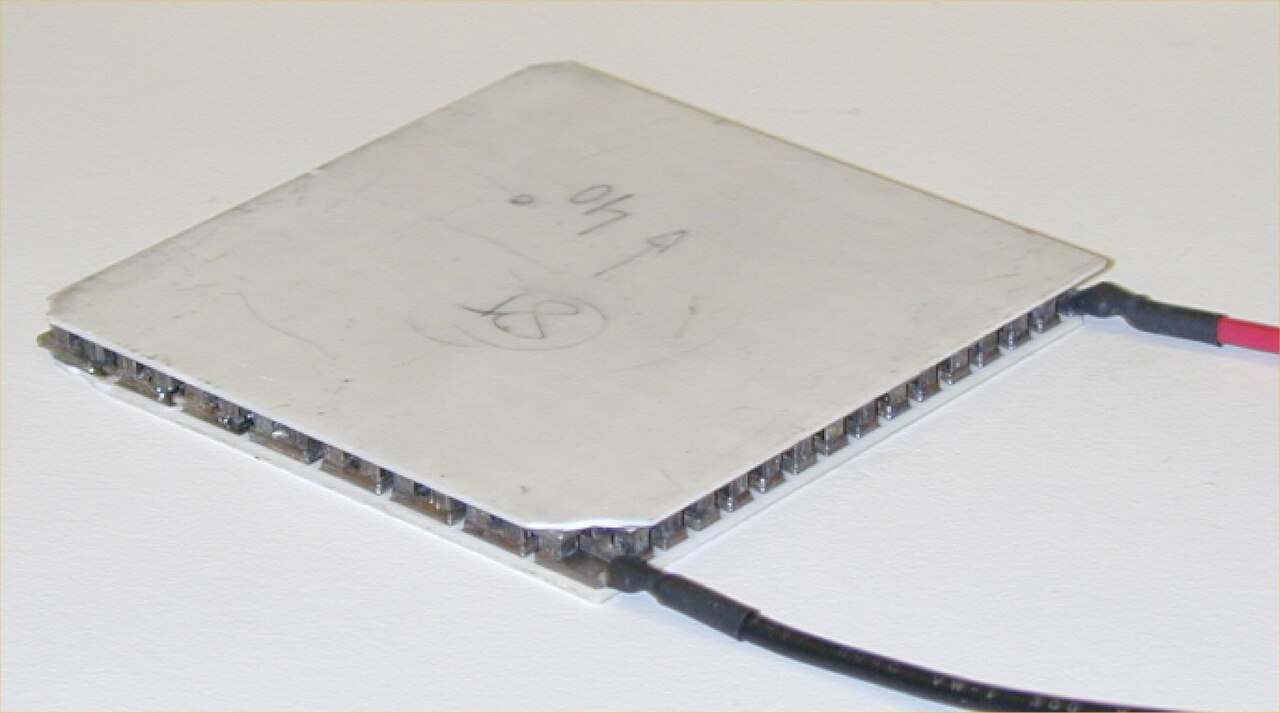
Strip away the marketing language and the Reon Pocket Pro Plus is a thermoelectric cooler — the same Peltier-effect technology used in mini fridges and some laptop cooling pads — shrunk down and clipped to a soft collar that sits against the back of your neck and upper spine. Run a current through a Peltier plate and one side gets cold while the other gets warm; Sony’s engineering trick is managing that heat transfer quietly enough to wear all day without it feeling like a hot brick against your skin.
There’s no fan, no vents blowing air anywhere near your face, and critically, no noise most people would notice in a quiet room. That’s the entire pitch versus a bladed neck fan: you trade raw cooling power for something you could wear on a train, in a meeting, or under a jacket without anyone clocking it.
The numbers Sony is actually citing
According to Sony’s official product announcement, the Pro Plus delivers up to 20% stronger cooling than the previous generation, plus roughly an additional 2°C (3.6°F) of surface-level cooling after 10 minutes in a 35°C (95°F) environment. Battery life is rated at up to 15 hours in “SMART COOL” mode — a setting that automatically dials cooling intensity up or down based on ambient conditions rather than blasting at full power the entire time. Sony also redesigned the contact fins, which it says make the unit around 40% more stable on your neck than earlier versions, so it doesn’t slide around every time you turn your head.
Those are real, testable improvements over the prior model — not vague “new and improved” fluff. But notice what’s missing from that spec sheet: any claim about actually lowering your core body temperature. Sony is careful to frame this as comfort at the skin surface, not climate control for your whole body. That distinction matters more than it sounds.
An interesting tangent: why your neck, specifically
Here’s the detail that makes the whole design make sense once you know it: the back of your neck and upper spine sit close to major blood vessels and have a dense concentration of thermoreceptors — nerve endings that are unusually good at reporting “hot” or “cold” to your brain. It’s the same reason a cold washcloth on the back of the neck has been a folk remedy for overheating for roughly forever, long before anyone put a Peltier chip in a collar. Sony didn’t invent that trick. It just automated it and put a battery on it.
So does it actually work?
Early hands-on reviews are consistent on this point, and it’s worth taking seriously: yes, it does something — but “something” is doing a lot of work in that sentence. Reviewers who tested the Pro Plus describe a genuine, noticeable cooling sensation at the neck that makes hot conditions more tolerable, especially indoors or during commutes. What they don’t describe is anything close to actual air conditioning. The effect is concentrated and local; step from a mildly warm room into genuinely brutal heat, and the gap between “feels a little better” and “still hot” grows fast. One review bluntly summed it up: if you’re shopping on price alone, skip it — a $20 clip-on fan will move more air for a fraction of the cost.
That’s not a knock so much as a category clarification. This isn’t competing with a window AC unit or even a good desk fan. It’s competing with the mental load of being visibly, audibly hot — the neck fan you can’t wear with headphones on, the handheld fan that takes up a hand you need for your phone or your dog’s leash. If your problem is discretion and hands-free comfort rather than raw temperature drop, the trade Sony is making starts to look reasonable instead of absurd.
Where it actually makes sense
The use cases reviewers keep landing on are pretty specific: outdoor workers who need both hands free and can’t have a fan whirring by their ear all shift, runners and cyclists who don’t want extra bulk, and commuters stuck on a packed train platform with zero air conditioning and zero room for a handheld fan anyway. It also flips into heating mode for the opposite problem — a cold office in the middle of summer, or a chilly train car — which is a feature most competing “cooling” wearables don’t even attempt.
If you’re the kind of person constantly adjusting your thermostat or grabbing a fitness tracker to check how your body’s handling the heat, this slots into a similar mindset of quantifying and managing personal comfort. Our breakdown of the best budget smartwatches under $100 covers a related corner of that same “wear data on your body” trend, if body-temperature-adjacent tech is your thing. And if a $99 screen-free tracker sounds more your speed than a $260 neck collar, our Fitbit Air review digs into that alternative approach to staying on top of how your body’s actually doing.
The bigger picture: personal climate control is becoming its own category
Zoom out and the Reon Pocket Pro Plus isn’t really an isolated novelty — it’s a sign that “personal climate control” is turning into its own product category rather than a one-off gadget. We’ve already covered how tech is helping people survive record heat waves at home, and wearables like this are the logical next step: instead of cooling a whole room, cool the six square inches of skin that actually convinces your brain you’re overheating. Whether that’s smarter engineering or just a clever bit of psychology probably depends on how hot your particular summer gets.
Either way, Sony betting real US retail dollars on a wearable AC — rather than keeping it a Japan-only curiosity — says something about where the company thinks personal comfort tech is headed next. Worth watching whether competitors follow with cheaper Peltier wearables of their own, or whether this stays a premium niche for people who really, really hate being visibly sweaty on the train.
Deixe um comentário